


Description
Honeywell C7024E1001
Technical Specifications
- Detection band: 190–270 nm ultraviolet
- Detection response time: ≤0.5 seconds
- Output signal: SPDT dry contact, contact rating 1 A / 220 V AC
- Supply voltage: 120 V AC 50/60 Hz
- Operating temperature: -20 °C to +60 °C
- Detection angle: 60° conical field of view
- Protection rating: IP54
Functional Features UV photosensitive tube detects flame-specific ultraviolet radiation, immune to ambient visible light interference. Small compact housing, installs in narrow burner mounting ports. Built-in ignition current monitoring, detects burner ignition circuit continuity. On-board power and flame status LEDs, simplify commissioning troubleshooting. Shutter-style detection window, reduces dust accumulation on the sensor surface. Terminal block wiring, no special tool required for field cabling.
Application Scenarios Flame detection for small gas-fired commercial boilers Flameout protection for residential heating burners Small industrial oven and furnace flame monitoring Spare part replacement for low-sensitivity legacy flame detectors
Performance Parameters
- Detection range: Stable detection of small pilot flame within 3 meters
- Contact mechanical life: 50,000 operations
- Insulation resistance: ≥50 MΩ
- Ambient light rejection: 5,000 lux direct visible light without false alarm
- Mounting thread: 1/2 inch NPT
Material Composition Thermoplastic flame retardant housing Ultraviolet photosensitive detection tube Tempered glass detection window Nickel-plated brass mounting thread Stainless steel terminal screws Rubber sealing washer
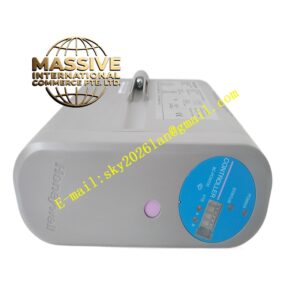
Structural Features Small cylindrical thermoplastic housing. Front tempered glass detection window. Rear terminal block connects supply and signal wires. Side mounting thread inserts directly into burner sight ports. Integral weather seal boot covers wiring terminals.
Working Principle Ultraviolet radiation from combustion flames passes through the detection window to illuminate the internal UV photosensitive tube. When the tube receives ultraviolet energy, it conducts, triggering the internal relay to actuate, outputting a “flame present” dry contact signal to the burner safety controller. When the flame extinguishes and ultraviolet radiation disappears, the photosensitive tube cuts off, relay releases, outputting “flameout” signal to trigger interlock shutdown.
Installation Requirements Screw the detector into the burner sight port, tighten to maintain seal. Align detection window directly at the pilot flame, no obstructions in line of sight. Tighten terminal screws for supply and signal wires. After power-up, perform a simulated flame test to verify detector output operation.
Usage Notes Dust buildup on the detection window reduces UV sensitivity; clean the window monthly for small burner installations. Never install the detector in locations exposed to direct sunlight, this causes false flame signals. Long-term operation above 60 °C shortens photosensitive tube service life. Never mount the detector in a position where the sight glass faces cold external air, condensation blocks UV transmission.