


Description
Honeywell C7061A1004
Technical Specifications
- Detection band: Infrared 4.3 μm CO₂ emission band
- Detection response time: ≤0.5 seconds
- Output signal: SPDT dry contact, contact rating 2 A / 220 V AC
- Supply voltage: 120 V AC 50/60 Hz
- Operating temperature: -40 °C to +80 °C
- Detection angle: 60° conical field of view
- Protection rating: IP65
Functional Features Detects flickering IR radiation at 4.3 μm, rejects steady hot furnace wall thermal radiation false alarms. Frequency discrimination circuit identifies flame flicker between 2–20 Hz, ignores steady heat sources. Performs reliably in smoky oil and coal flame environments that block UV radiation. On-board signal strength adjustment, optimized for different flame types. Sealed cast aluminum housing, rated for outdoor boiler room installations. Compatible with Honeywell RM7800 series flame safeguards.
Application Scenarios Flame detection for oil-fired industrial boilers Flameout protection for coal-fired process heaters Thick flame smoke environments where UV detectors cannot see flame Spare part replacement for UV detectors failing in smoky oil burner applications
Performance Parameters
- Detection range: Stable detection of oil flame within 8 meters
- Flicker frequency detection band: 2–20 Hz
- Thermal radiation rejection: Up to 600 °C steady furnace wall temperature without false trigger
- Mounting thread: 1 inch NPT
- Insulation resistance: ≥100 MΩ
Material Composition Die-cast aluminum powder-coated housing Infrared pyroelectric sensor Sapphire IR-transparent window Stainless steel shutter mechanism Sealed cable gland Gold-plated output relay contacts
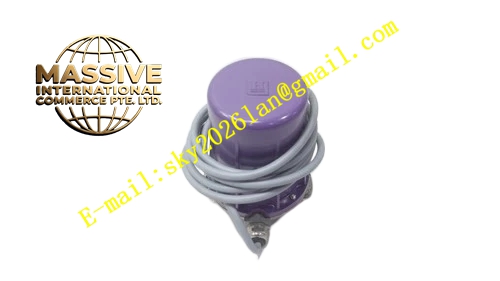
Structural Features Cylindrical cast aluminum housing. Front sapphire IR-transparent window. Rear sealed terminal compartment. 1 inch NPT mounting thread. Internal frequency discrimination circuit board adjacent to the IR sensor.
Working Principle Oil and coal combustion flames emit flickering 4.3 μm infrared radiation from excited CO₂ molecules in the flame. Radiation passes through the sapphire window to the pyroelectric IR sensor, which detects fluctuating IR signals matching flame flicker frequency. The onboard frequency filter circuit confirms the flicker falls within 2–20 Hz, verifying real flame rather than steady furnace wall heat. On confirmed flame, the internal relay closes to output a flame present signal. On flameout, flickering IR signal disappears, the relay opens to trigger shutdown.
Installation Requirements Mount the detector viewing directly at the burner flame zone. Adjust flicker frequency threshold during commissioning to match burner flame characteristics. Connect supply and output wires to the terminal block. Confirm detector rejects false triggers from hot furnace wall radiation.
Usage Notes Steady hot refractory in the field of view causes false alarms, angle the detector to avoid hot wall reflections. Dust coating on the sapphire window attenuates IR signal, clean the window quarterly. IR detectors respond slower than UV detectors, use UV detectors for fast-igniting small gas burners. Never install the detector where a pilot-only flame is the only IR source, pilot flicker may fall outside the detection band.