


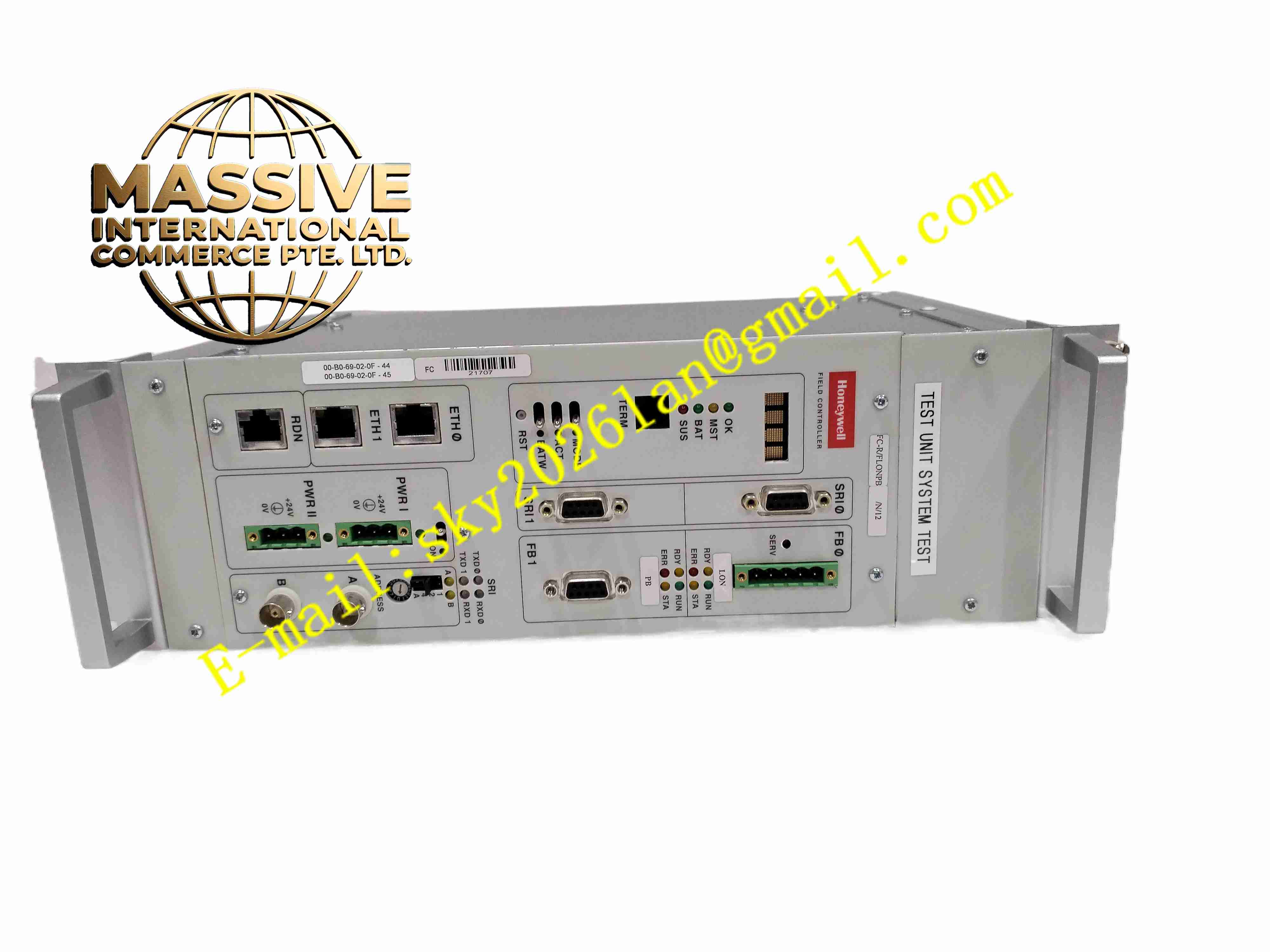
Description
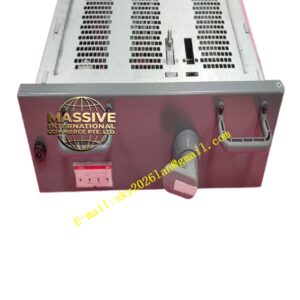
Honeywell FC-RPB2N12 Rack / Backplane Module
Technical Specifications
- Brand: Honeywell
- Model: FC-RPB2N12
- Product Type: Rack module / backplane module / system interface module
- System Platform: Honeywell industrial control or process control system
- Mounting Function: Supports installation of control, communication, or I/O modules
- Bus Interface: System backplane bus for module communication
- Power Distribution: Supplies power to installed modules through the rack
- Power Supply: Typically 24 VDC or system-specific industrial power
- Mounting Type: Rack-mounted or chassis-mounted
- Environmental Suitability: Indoor industrial control cabinets
Functional Features
- Module Hosting: Provides slots or positions for installing system modules.
- Backplane Communication: Enables data exchange between modules and the controller.
- Power Distribution: Supplies stable power to installed modules.
- System Expansion: Supports modular expansion of control and I/O functions.
- Status Monitoring: Provides system-level status and fault indication.
- Industrial Reliability: Designed for continuous operation in automation systems.
- Maintenance Support: Allows module replacement without replacing the entire rack.
Application Scenarios
- Industrial process control systems
- Honeywell DCS and PLC-related systems
- Oil and gas control panels
- Chemical and petrochemical automation
- Power plant control systems
- Building automation control cabinets
- Manufacturing automation systems
- Energy management and utility monitoring systems
Performance Parameters
- System Stability: Provides reliable module communication and power distribution.
- Expansion Capability: Supports multiple modules within the rack architecture.
- Diagnostic Support: Reports rack and module status to the control system.
- Operating Life: Designed for long-term industrial service.
- Environmental Suitability: Suitable for indoor control rooms and cabinets.
Material Composition
- Rack Housing: Industrial-grade metal or reinforced enclosure for mechanical support.
- Backplane PCB: Multi-layer printed circuit board with system bus traces.
- Module Connectors: High-reliability connectors for module insertion.
- Power Bus: Conductors for distributing power to installed modules.
- Protection Components: Overcurrent, overvoltage, and transient protection devices.
- Status Indicators: LEDs for power, bus activity, and fault status.
Structural Features
- Standard Rack Design: Fits industrial control cabinets and system panels.
- Multiple Module Slots: Allows installation of control, communication, and I/O modules.
- Backplane Bus Architecture: Enables direct module-to-system communication.
- Front Access Design: Allows convenient module insertion and removal.
- Robust Mechanical Structure: Supports stable mounting in industrial environments.
- Serviceable Layout: Supports maintenance and module replacement.
Working Principle
The FC-RPB2N12 provides a system backplane that connects installed modules to the controller, power supply, and communication network. When modules are inserted into the rack, they receive power and establish communication through the backplane bus. The module enables data exchange between control modules, I/O modules, and the system controller. If a power fault, communication error, or module fault occurs, the system reports the condition for diagnostic and maintenance purposes.
Installation Requirements
- Verify compatibility with the Honeywell system before installation.
- Install in a dry, clean, and well-ventilated control cabinet.
- Ensure the rack power supply matches system requirements.
- Insert modules only when the system allows safe installation.
- Verify that all module connectors are properly seated.
- Confirm system configuration before commissioning.
- Perform power-up and communication checks after installation.
Precautions for Use
- Do not exceed the rated power supply or environmental limits.
- Do not insert or remove modules without following system procedures.
- Verify module compatibility before installation.
- Do not bypass rack diagnostics or protection functions.
- Replace damaged racks or modules with the same model.
- Keep system configuration backups before maintenance.
- Only qualified personnel should install or maintain the rack.
- Refer to the official Honeywell documentation for exact specifications.