


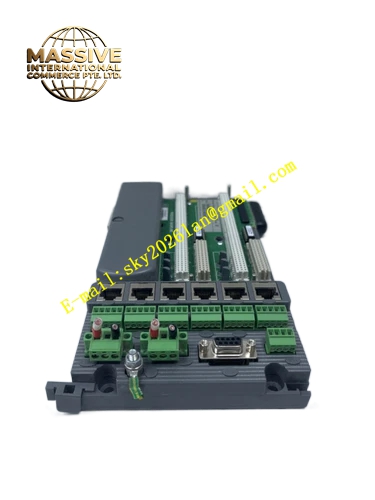
Description
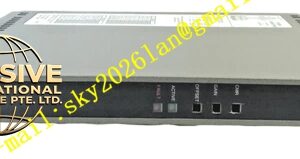
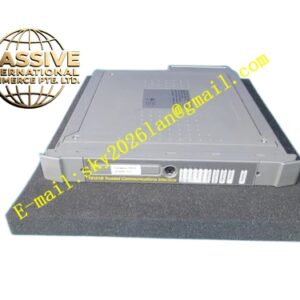
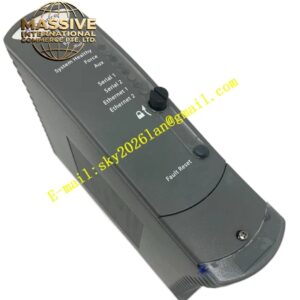
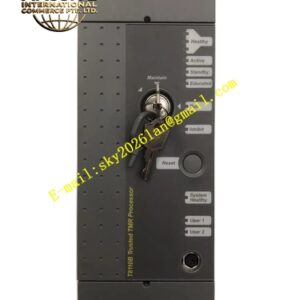
ICS Triplex T8472
Technical Specifications & Performance Parameters:
- Architecture: Triple Modular Redundancy (TMR), HIFT Hardware‑Implemented Fault Tolerance
- Processor Core: High‑performance synchronized industrial processor for three redundant slices
- On‑board Memory: Application logic memory, NVRAM for fault‑event and SOE sequence‑of‑event data storage
- SOE Time‑stamp Resolution: 1 ms
- Communication Interfaces: Dual Ethernet ports, multiple RS‑232/RS‑485 serial diagnostic ports
- Backplane Bus: Trusted IMB Inter‑Module Bus
- Backplane Power Supply: 20‑32 VDC, nominal 24 VDC from Trusted rack backplane
- Module Power Consumption: Max 8.6 W
- Protection Mechanisms: Internal over‑temperature protection, hardware‑slice fault automatic‑isolation
- Safety Certification: TÜV IEC 61508 SIL 3, UL, CE
- Operating Temperature: ‑20 °C ~ +60 °C
- Storage Temperature: ‑40 °C ~ +85 °C
- Ambient Humidity: 5 %‑95 % RH non‑condensing
- Weight: 1.42 kg
- Form Factor: Standard Trusted rack plug‑in module
Functional Features:
- Full TMR triple‑slice synchronous‑operation architecture, hardware 2‑out‑of‑3 voting for logic‑operation results
- Expand system logic‑processing capacity, support large‑scale safety‑application program execution and mass‑I/O‑point resource management
- HIFT hardware‑implemented fault‑tolerance mechanism, complete rapid fault‑detection at hardware‑level without relying on software diagnosis
- Hot‑swap support for online module replacement without interrupting running safety‑logic program
- High‑precision 1 ms resolution SOE sequence‑of‑event data recording function
- Dual Ethernet and multi‑serial communication interfaces, realize data‑exchange with upper‑level monitoring‑system and third‑party equipment
- Front‑panel multi‑LED indicator group, display three‑slice independent health‑status, module running‑status and fault‑alarm status
- Timestamped hardware‑fault and logic‑system abnormal‑events upload to system fault historian via IMB backplane bus
- Support IEC 61131‑3 standard programming‑language safety‑logic program operation
Working Principle: Three independent processor slices inside T8472 receive identical safety‑logic application‑program and I/O‑data from Trusted IMB backplane bus. Three slices execute logic‑computation synchronously and independently. Hardware‑voting circuit completes 2‑out‑of‑3 voting for operation‑results. Valid voting‑results output to IMB backplane bus for I/O‑module drive‑control and upper‑system data‑upload. On‑board monitoring circuit continuously monitors running‑state of each processor slice. When single slice generates hardware‑fault, faulty slice gets automatically isolated, and remaining two slices maintain normal voting‑operation. SOE module captures system‑wide signal‑change events with 1 ms time‑stamp precision and stores data inside NVRAM memory. Communication interfaces realize protocol‑data interaction with external upper‑monitoring‑system. Fault‑events generate timestamp‑mark and transmit to main system fault historian.
Material Composition & Structural Characteristics:
- Housing: Reinforced die‑cast aluminum alloy shielding shell, realize electromagnetic shielding and auxiliary heat dissipation
- Circuit substrate: Multi‑layer high‑density FR‑4 industrial printed circuit board, integrate triple‑slice processor unit, memory chip and communication‑interface components
- Backplane connector: Gold‑plated high‑density anti‑vibration industrial connector
- Front panel: Flame‑retardant PC engineering plastic, embed LED indicator window and external communication‑interface sockets, protection grade IP20
- Plug‑in card‑type structure for Trusted main rack dedicated processor‑expansion‑slot installation
Installation Requirements:
- Insert T8472 module into dedicated processor‑expansion slot of Trusted main rack chassis, fully tighten front‑panel locking screws
- Complete system hardware‑configuration setting through Trusted engineering‑software after module installation
- Deploy Ethernet and serial communication‑cables according to project‑design requirement, separate signal‑cables from high‑voltage power‑cables
- Communication‑cable shielding layer single‑end grounding at cabinet protective ground bus‑bar
- Cabinet protective ground resistance ≤4 Ω
- Guarantee cabinet internal sufficient air‑convection heat‑dissipation condition
- Do not install in environment with heavy salt‑fog and continuous strong‑mechanical‑shock
Application Scenarios:
- Large‑scale petrochemical Trusted safety‑instrumented‑system logic‑processing capacity expansion
- Chemical complex multi‑loop complex safety‑interlock system expansion‑processor unit
- Off‑shore oil‑gas platform multi‑rack distributed Trusted safety‑system logic‑expansion hardware
- Power‑plant large‑scale ESD safety‑shutdown system auxiliary‑processor module
- Process‑industry safety‑system with high‑volume I/O‑points and SOE event‑recording requirement
Usage Notes:
- Hot‑swap operation is permitted only when Trusted main system reports full‑health state of remaining processor‑hardware
- Module shell disassembly is forbidden; zero user‑serviceable internal components
- Download matched‑version system‑firmware and complete hardware‑configuration after module replacement
- Verify safety‑logic program running‑state, SOE data‑recording function and external communication‑data‑exchange performance
- Operate strictly within rated operating temperature range
- Periodically inspect communication‑cable connection‑reliability and cabinet ventilation‑condition