


Description
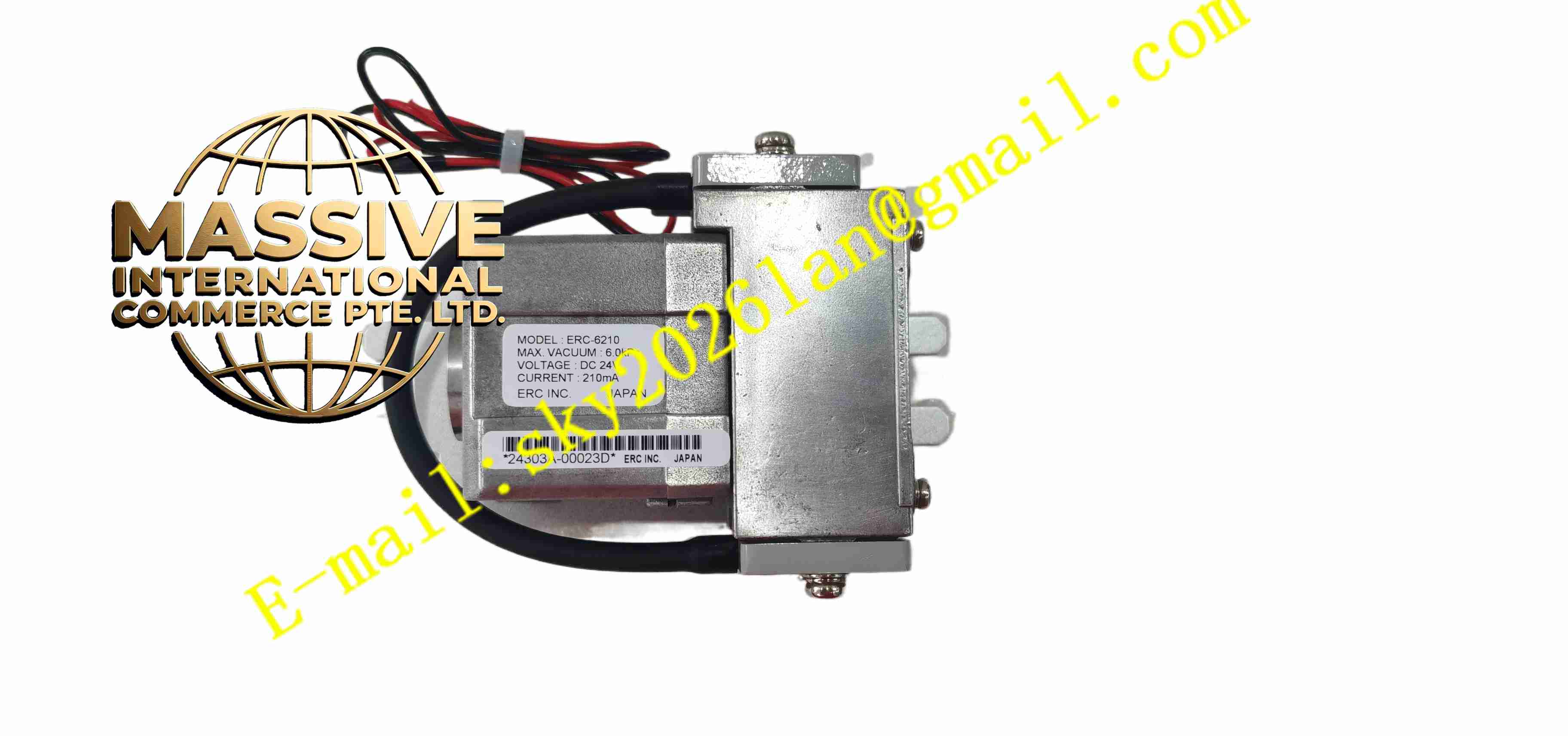
IWAKI ERC-6210 Electromagnetic Metering Pump
Technical Specifications
- Brand: IWAKI
- Model: ERC-6210
- Product Type: Electromagnetic metering pump
- Drive Type: Electromagnetic solenoid drive
- Flow Control: Adjustable stroke frequency and/or stroke length, depending on configuration
- Pump Head Material: Typically PVC, PVDF, or stainless steel, depending on version
- Diaphragm Material: PTFE or composite diaphragm for chemical resistance
- Valve Type: Ball check valves for suction and discharge
- Control Input: May support external control signals such as pulse, analog, or remote start/stop
- Power Supply: AC or DC power supply according to model version
- Installation Type: Wall-mounted or panel-mounted installation
Functional Features
- Precise Dosing: Delivers accurate chemical volumes for process and treatment applications.
- Low Maintenance: Electromagnetic drive reduces mechanical wear compared with motor-driven pumps.
- Chemical Resistance: Wetted materials are selected for compatibility with many industrial chemicals.
- Self-Priming Capability: Can prime suction lines under suitable operating conditions.
- Adjustable Output: Flow rate can be adjusted through stroke control or frequency settings.
- Compact Design: Saves installation space in dosing skids and control panels.
- Quiet Operation: Electromagnetic actuation produces lower noise than many rotary pump designs.
- Remote Control Support: Can integrate with external controllers for automated dosing.
Application Scenarios
- Water and wastewater treatment
- Cooling tower chemical dosing
- Boiler water treatment
- pH adjustment systems
- Disinfection and chlorination systems
- Industrial process chemical feeding
- Laboratory and pilot-scale dosing
- Environmental monitoring and sampling systems
Performance Parameters
- Flow Accuracy: Provides repeatable dosing under stable operating conditions.
- Stroke Control: Supports fine adjustment of dosing volume.
- Self-Priming: Capable of priming within specified suction lift limits.
- Chemical Compatibility: Suitable for many acids, alkalis, and aqueous solutions when materials are correctly selected.
- Operating Stability: Maintains consistent output during continuous dosing.
- Energy Efficiency: Electromagnetic drive consumes power only during each dosing stroke.
Material Composition
- Pump Head: PVC, PVDF, or stainless steel depending on chemical service.
- Diaphragm: PTFE or reinforced composite diaphragm.
- Check Valves: Ceramic, stainless steel, or PTFE balls with matching seats.
- Housing: Engineering plastic or coated metal housing for protection.
- Seals and O-Rings: FKM, EPDM, or PTFE seals depending on fluid compatibility.
- Electromagnetic Coil: Copper winding with magnetic core for diaphragm actuation.
- Control Board: Electronic circuit for stroke control, frequency adjustment, and signal input.
Structural Features
- Compact Electromagnetic Body: Integrates drive and pump head in a small footprint.
- Modular Pump Head: Allows replacement or material selection for different chemicals.
- Adjustable Stroke Mechanism: Enables precise flow setting.
- Clear Status Indication: Power and operation indicators support现场 monitoring.
- Wall-Mount Design: Simplifies installation near tanks, pipelines, or control panels.
- Serviceable Wetted Parts: Diaphragm, valves, and seals can be replaced during maintenance.
Working Principle
The ERC-6210 uses an electromagnetic coil to drive the diaphragm back and forth. During the suction stroke, the diaphragm moves backward, creating negative pressure that opens the suction check valve and draws liquid into the pump chamber. During the discharge stroke, the diaphragm moves forward, increasing chamber pressure, closing the suction valve, and opening the discharge valve to deliver the dosed fluid. The flow rate is controlled by adjusting stroke frequency, stroke length, or external control signals.
Installation Requirements
- Install the pump on a flat, stable, and vibration-free surface.
- Keep the pump level with or below the chemical tank when possible.
- Use compatible suction and discharge piping materials.
- Install a foot valve and strainer on the suction line to prevent backflow and contamination.
- Provide a pressure relief valve or air release point if required by the system.
- Ensure the power supply matches the pump nameplate rating.
- Prime the pump before continuous operation.
- Keep the pump head accessible for inspection and maintenance.
Precautions for Use
- Verify chemical compatibility with pump wetted materials before use.
- Do not run the pump dry for extended periods.
- Do not exceed the rated discharge pressure.
- Ensure suction and discharge valves are correctly installed.
- Check diaphragm, seals, and check valves regularly.
- Flush the pump with clean water before long-term shutdown.
- Do not expose the pump to freezing conditions when liquid remains inside.
- Only trained personnel should adjust dosing settings or perform maintenance.
- Refer to the IWAKI ERC-6210 manual for exact flow range, pressure rating, and material options.