


Description
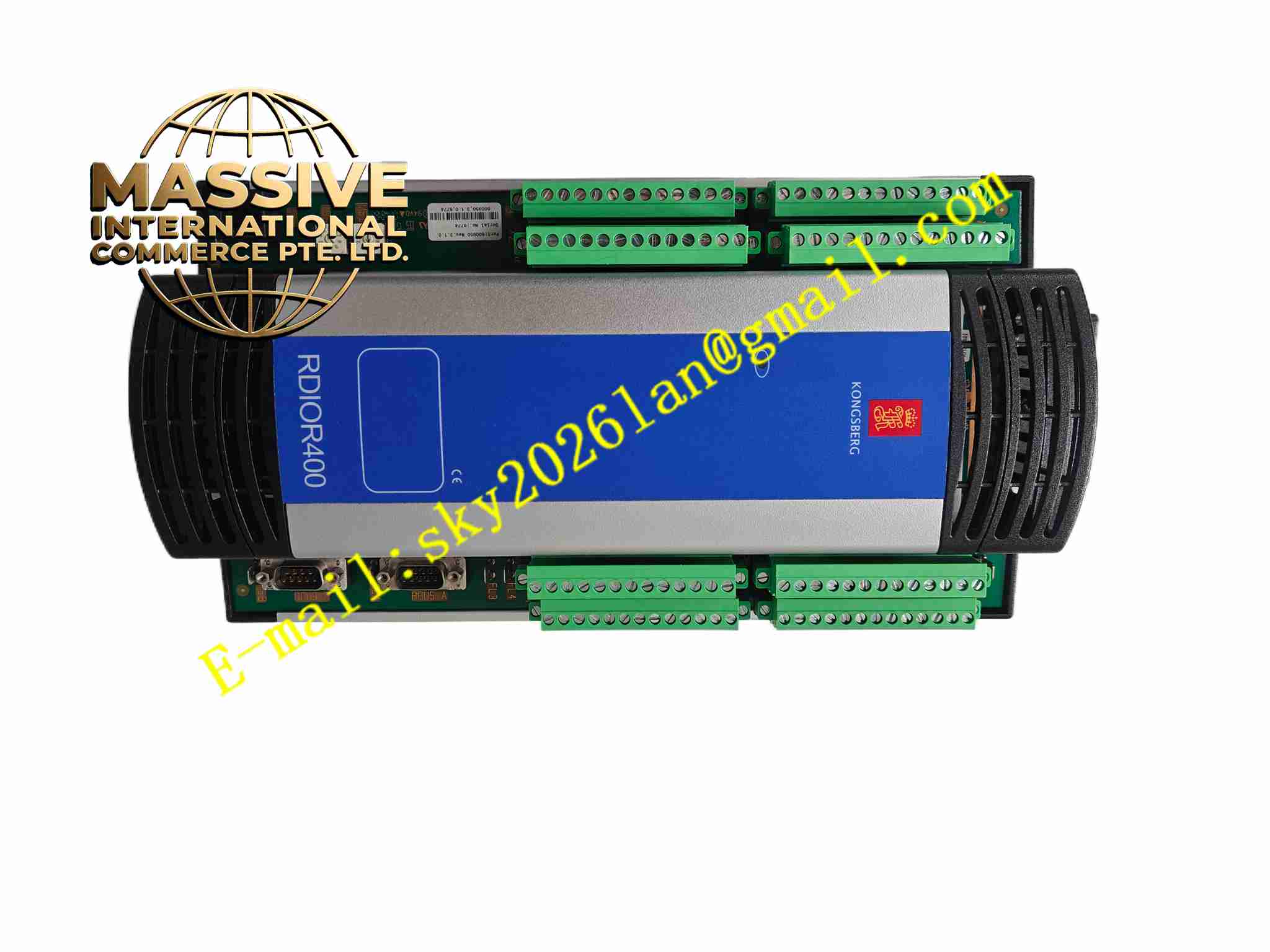
KONGSBERG RDIOR400
Technical Specifications
- Product type: Marine digital input output module
- Power supply: DC24V marine rated
- Digital input channels: 16 channels
- Digital output channels: 16 channels
- Input type: Dry contact / 24V DC signal
- Output type: Relay contact output
- Communication interface: CAN bus marine network
- Operating temperature: -15 °C to +55 °C
- Storage temperature: -40 °C to +70 °C
- Humidity: 5% to 95%, non-condensing
- Protection rating: IP30
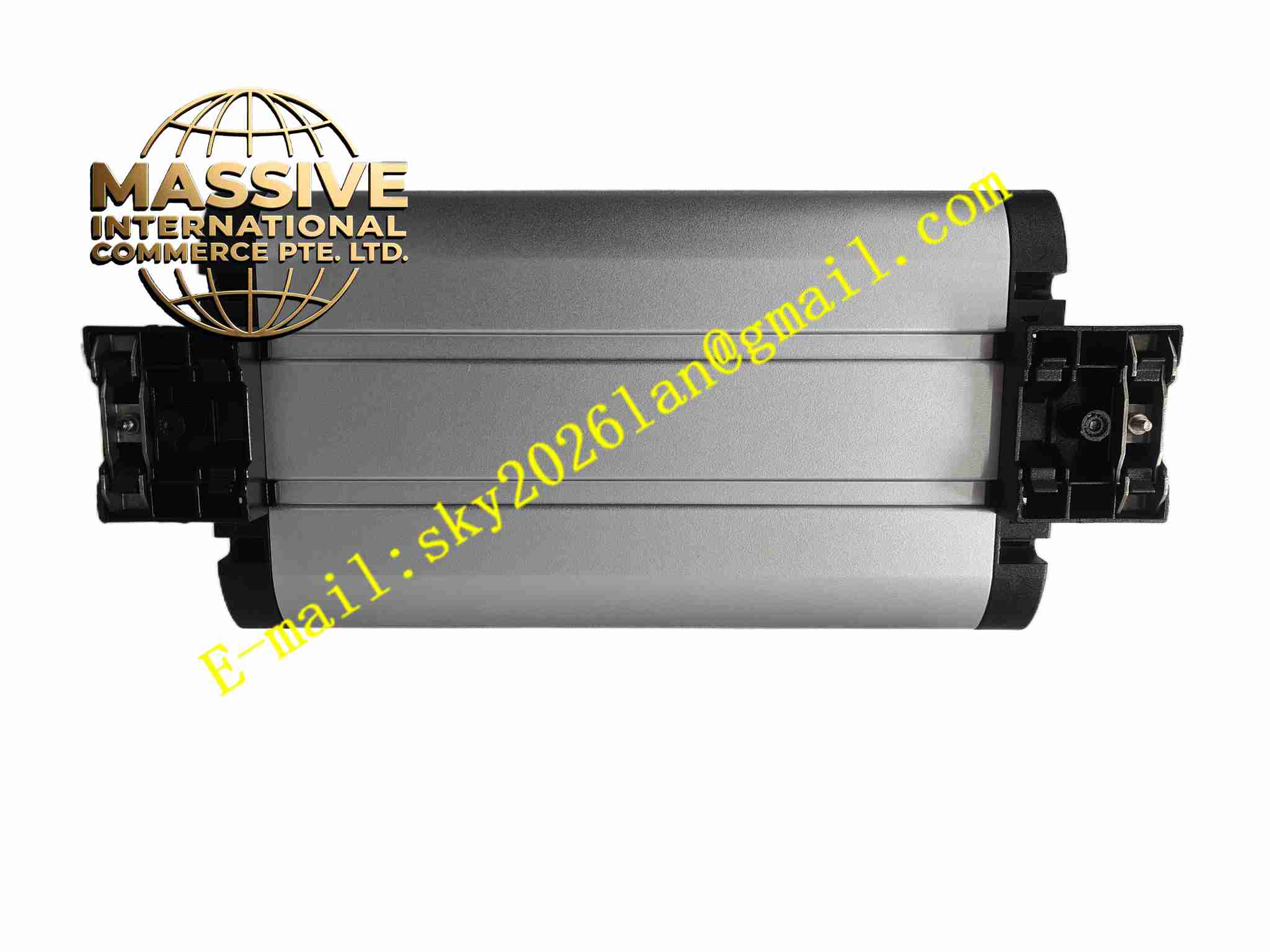
- Installation: Cabinet rack mount
- Certification: DNV, LR marine classification approval
- Status indication: Multi-color LED for channel and module health
Functional Features
- 16 digital input channels for reading field switch status
- 16 relay digital output channels for driving marine loads
- CAN bus communication to main automation controller
- Per-channel open circuit and short circuit diagnostics
- Module self-test at power-up
- Individual LED status for every I/O channel
- Galvanic isolation between field side and internal logic
- Vibration and shock resistance compliant with marine standards
- Event timestamp for alarm signals
- Hot swap support for onboard maintenance
Application Scenarios
- Ship machinery alarm and monitoring system
- Engine room auxiliary equipment status collection
- Marine valve and pump remote control
- Ballast control system signal acquisition
- Offshore vessel automation and safety monitoring
Materials and Construction
- Housing: Marine grade coated metal casing
- PCB: FR4 printed circuit board with conformal coating
- Relay: Sealed industrial marine relays
- Connectors: Screw type terminal blocks with anti-vibration locking
- LED: High brightness water resistant indicator diodes
- Seal: Internal conformal coating for humidity protection
Structural Features
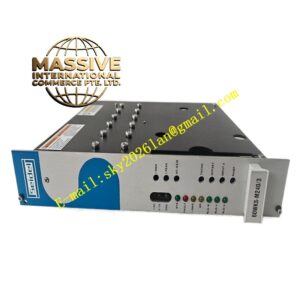
- Compact rack mount rectangular module
- Front panel array of channel status LEDs
- Rear terminal blocks for field wiring and bus connection
- Internal galvanic isolation barrier between field circuit and logic circuit
- Metal housing for electromagnetic shielding
- Anti-vibration mounting lugs integrated on housing
Working Principle Field digital signals such as pump running status and valve position feedback feed into the digital input channels. The onboard microcontroller samples each input state and transmits data over CAN bus to the main system controller. When receiving commands from the main controller, the module activates internal relays to switch output contacts and actuate marine field devices. Built-in diagnostic circuits continuously check wiring integrity and report faults via CAN bus and front LEDs.
Installation Requirements
- Mount module inside marine control cabinet with anti-vibration fasteners
- Run separate shielded cable for CAN bus communication
- Connect DC24V marine power supply with correct polarity
- Terminate CAN bus at the two physical ends of the network
- Maintain ambient temperature range -15 °C to +55 °C
- Complete protective earth connection for cabinet and module
- Configure module address and channel parameters via system software after power on
Precautions
- Confirm terminal wiring polarity before power application
- Keep CAN bus cables separated from high power AC cables
- Do not exceed rated contact load on relay output terminals
- Apply anti-corrosion treatment to unused terminals
- Wear ESD protection during module replacement
- Store spare modules in dry moisture-proof packaging
- Verify all channel functions during vessel annual inspection
- Do not open module casing in engine room high humidity area