



Description
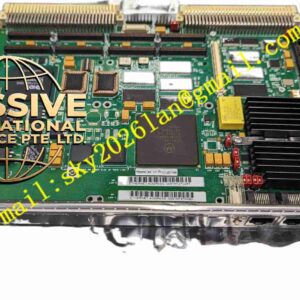
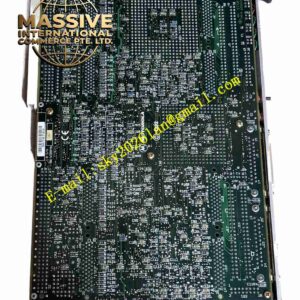
Motorola MVME167-006B
Technical Specifications:
- Brand: Motorola
- Model: MVME167-006B
- Product Positioning: High-End Redundant VME Single Board Computer
Functional Features:
- Redundancy Support: Hardware architecture supports dual power modules and independent watchdog circuits to elevate system fault tolerance to the highest level.
- Hot-Swap Compatibility: Optimized plug-and-play architecture enables maintenance without system downtime in compatible chassis.
- Deep Diagnostics: Fully enabled diagnostic reporting functions support precise recording of various alarms into the I/O fault table.
Application Scenarios:
Large transportation hub control systems, critical infrastructure monitoring, military radar data acquisition, and navigation systems.
Performance Parameters:
- Fault Tolerance: Exceptional electromagnetic interference resistance and extremely low system downtime probability.
- Reliability: Seamless failover and graceful degradation in case of component failure.
Material Composition:
Utilizes the highest-grade anti-aging components and high-reliability PCB substrates.
Structural Characteristics:
Standard 6U VME size equipped with a robust metal heat dissipation frame and high-reliability backplane connectors.
Working Principle:
Through multiple hardware redundancy mechanisms and real-time operating system coordination, it ensures seamless switching or safe degraded operation when main components experience anomalies.
Installation Requirements:
Must be installed in chassis supporting redundant power supplies and advanced VME protocols, ensuring proper system grounding.
Usage Precautions:
When performing system maintenance or module replacement, strict hot-swap operation procedures must be followed to avoid unexpected impacts on the redundant system.