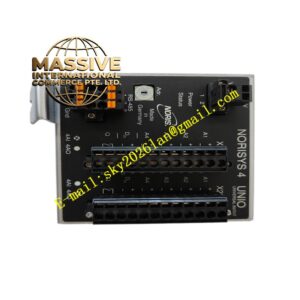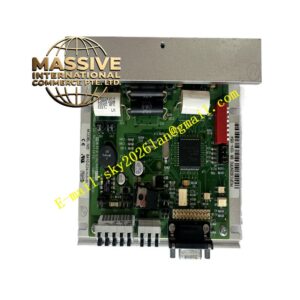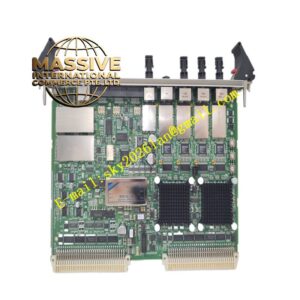



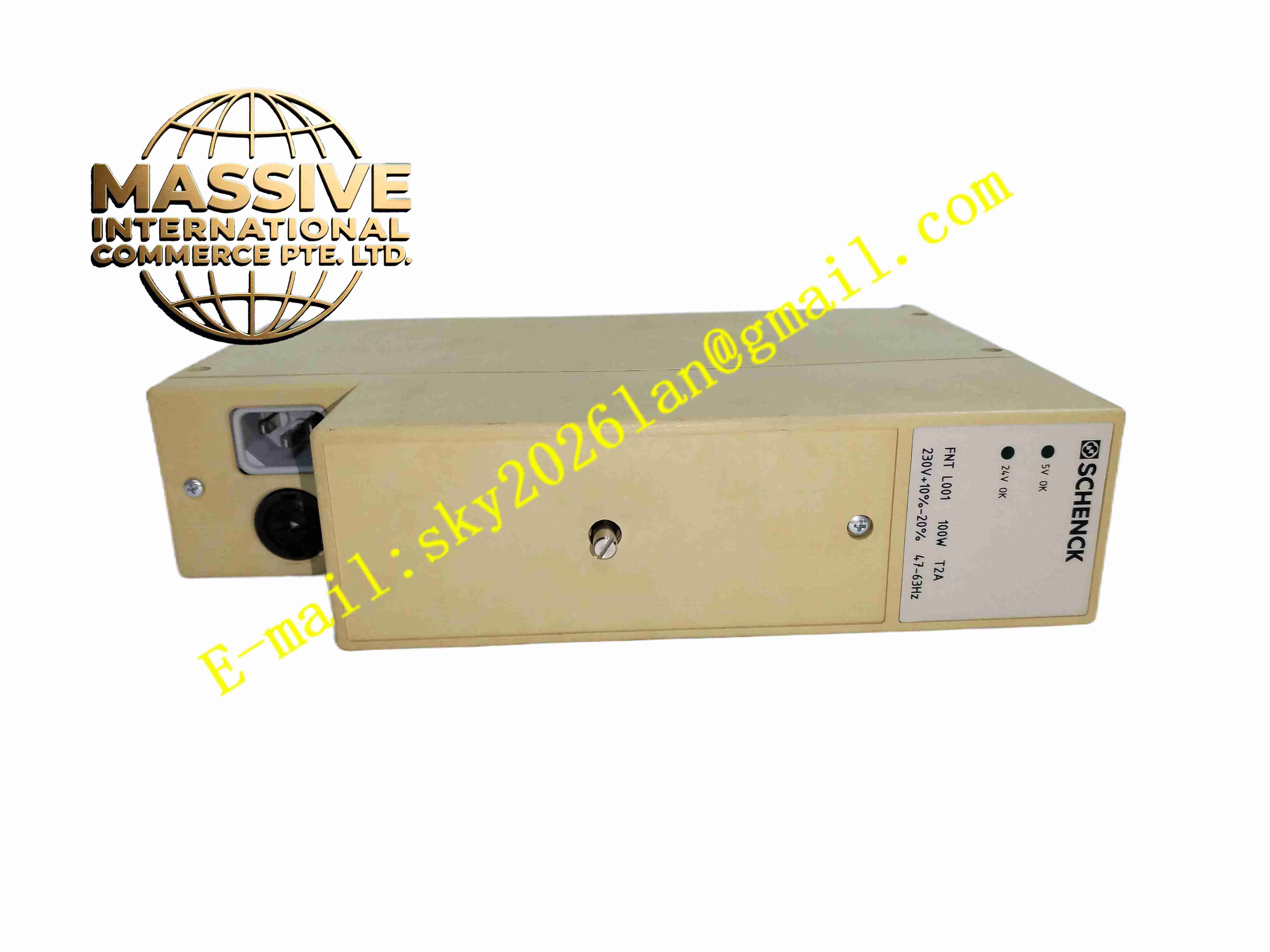
Description
Schenck FNTL001 Industrial Measurement / Control Module
Technical Specifications
- Brand: Schenck
- Model: FNTL001
- Product Type: Industrial measurement / control module
- System Platform: Schenck weighing, process control, or industrial instrumentation systems
- Signal Function: Processes measurement, weighing, or control signals
- Interface Type: Industrial signal interface for connection to sensors, controllers, or host systems
- Power Supply: Industrial low-voltage DC supply according to system design
- Mounting Type: Rack-mounted, panel-mounted, or system-integrated module
- Environmental Suitability: Indoor industrial control cabinets and process environments
Functional Features
- Signal Processing: Converts and processes measurement or control signals from field devices.
- System Integration: Connects with Schenck controllers, weighing systems, or process instruments.
- Diagnostic Support: Provides status feedback for monitoring and maintenance.
- Industrial Stability: Designed for continuous operation in process and automation environments.
- Modular Design: Allows replacement and maintenance within the system.
- Calibration Support: Supports measurement accuracy and system configuration.
- Communication Compatibility: Works with industrial controllers and instrumentation networks.
Application Scenarios
- Industrial weighing systems
- Process control and batching systems
- Material handling and conveyor monitoring
- Cement, mining, and bulk material processing
- Chemical and food production lines
- Industrial automation and instrumentation systems
- Force measurement and load monitoring applications
Performance Parameters
- Signal Accuracy: Supports stable measurement and control signal processing.
- Response Stability: Provides reliable operation under industrial load conditions.
- Diagnostic Capability: Supports fault indication and system monitoring.
- Environmental Adaptability: Suitable for indoor industrial environments.
- Maintenance Efficiency: Modular structure supports service and replacement.
Material Composition
- Module Housing: Industrial-grade enclosure for mechanical and electrical protection.
- PCB: High-reliability printed circuit board with signal processing circuits.
- Signal Interface: Input and output circuits for measurement and control signals.
- Power Circuit: Voltage regulation and protection components.
- Protection Components: Overvoltage, overcurrent, and transient suppression devices.
- Status Indicators: LEDs for power, operation, and fault status.
Structural Features
- Compact Industrial Form Factor: Fits into control cabinets or system racks.
- Front or Side Terminals: Allows convenient signal and power connection.
- LED Status Indication: Displays operating condition and fault status.
- Standard Industrial Layout: Compatible with Schenck system architecture.
- Shielded Construction: Helps reduce electromagnetic interference.
- Serviceable Design: Supports replacement during maintenance.
Working Principle
The FNTL001 receives signals from sensors, weighing devices, or process instruments, processes the data, and forwards it to the control system or host controller. It conditions analog or digital signals, applies calibration or conversion, and provides stable output for monitoring and control. When abnormal signals, power faults, or internal errors occur, the module reports the condition to support system diagnostics and safe operation.
Installation Requirements
- Verify compatibility with the Schenck system before installation.
- Install in a dry, clean, and well-ventilated control cabinet.
- Ensure the power supply matches the module rating.
- Connect signal cables according to the system wiring diagram.
- Keep signal cables separated from high-power cables.
- Configure measurement parameters before commissioning.
- Perform functional testing after installation.
Precautions for Use
- Do not exceed the rated voltage or environmental limits.
- Do not modify calibration or configuration without authorization.
- Verify sensor wiring and signal polarity before energizing.
- Do not bypass diagnostic or safety functions.
- Replace failed modules with the same model and version.
- Keep configuration and calibration backups before maintenance.
- Only qualified instrumentation or control engineers should maintain the module.
- Refer to the official Schenck documentation for exact specifications.