



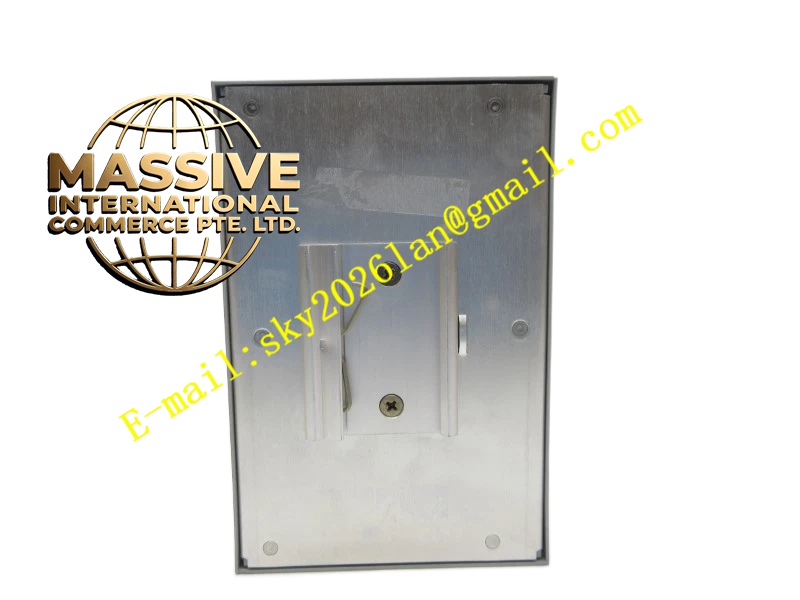
Description
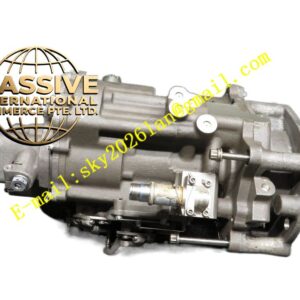
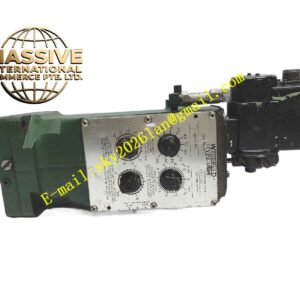
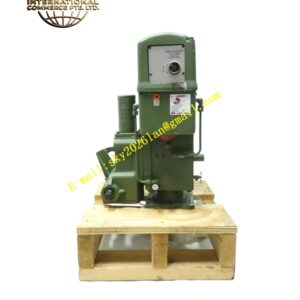
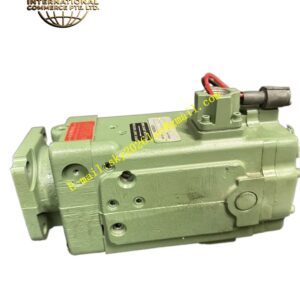
Woodward 8200-1203
Technical Specifications
- Type: Electrohydraulic servo actuator or electromechanical positioner.
- Input Signal: 4-20 mA or 0-10 VDC command from the turbine controller.
- Feedback: Integrated high-resolution LVDT for closed-loop position verification.
- Output Force: High-force output capable of overcoming high fluid pressure forces.
Functional Features
- High Precision: Maintains valve position with minimal hysteresis and deadband.
- Fail-Safe Operation: Integrates spring-return or hydraulic accumulator for safe shutdown on signal loss.
- Built-in Electronics: Contains the servo amplifier, LVDT excitation, and signal conditioning.
- Dynamic Response: High frequency response for rapid load acceptance and rejection.
Application Scenarios
Primary fuel control valve actuation on gas turbines, steam turbine governing valves, and compressor anti-surge control.
Performance Parameters
- Linearity: Better than ±0.5% of full stroke.
- Response Time: Step response typically under 100 milliseconds.
Material Composition
Hardened steel spool and sleeve for wear resistance. Cast iron or stainless steel body. High-performance seals compatible with turbine lube oil or hydraulic fluid.
Structural Characteristics
Compact cylindrical or rectangular design. Features hydraulic supply and return ports, electrical connector, and mechanical linkage interface. Includes manual override capability.
Working Principle
The internal servo valve meters hydraulic oil to a piston (or drives a motor for electromechanical types) based on the error between the command signal and LVDT feedback. This closed-loop action ensures the valve stem matches the controller’s demand.
Installation Requirements
Mechanically couple the actuator to the valve ensuring free movement without binding. Connect hydraulic lines with proper filtration. Use shielded twisted-pair cable for the feedback and command signals.
Usage Precautions
- Ensure hydraulic fluid cleanliness meets ISO standards; contamination is the leading cause of failure.
- Verify the fail-safe direction matches the process safety requirements.
- Never manually force the actuator beyond its mechanical stops.