


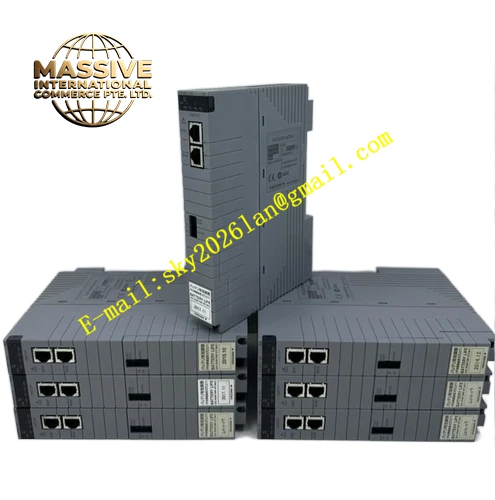
Description
YOKOGAWA CP451‑10
Technical Specifications: Processor core: 32‑bit industrial real‑time processor; main memory: 128 MB RAM; non‑volatile flash memory: 128 MB; maximum control loops: 1000 functional blocks; control execution cycle ranges from 100 ms to 5000 ms configurable; communication interfaces: V‑net IP fieldbus interface, internal backplane bus for I/O node communication; redundancy support: dual hot‑standby redundant operation; power consumption supplied via rack backplane; operating temperature: 0 °C‑60 °C; storage temperature:‑20 °C‑70 °C; relative humidity: 10‑90 %RH non‑condensing; rack‑slot installation for CENTUM‑VP control station rack; weight: 0.88 kg; multi‑color front‑panel LED indicators for RUN, standby status, hardware fault and communication link status.
Functional Features: Real‑time execution of PID, ratio control, cascade control and other standard process control function blocks; dual‑processor hot‑standby redundancy with bumpless switch‑over without interrupting running control loops; complete hardware self‑diagnosis covering internal memory, processor unit, bus communication and power‑supply monitoring; front‑panel LED array provides direct visual status feedback for on‑site inspection; high‑speed data interaction with local and remote I/O modules through rack backplane and V‑net IP bus; stores user control configuration, parameter sets and historical alarm information inside onboard flash memory; supports online downloading of configuration modification without system shutdown; interoperates with operator stations, engineering stations and upper‑level plant management systems.
Application Scenarios: Petrochemical refinery main process unit DCS control stations; chemical plant continuous production process control; power‑plant boiler and auxiliary‑process control systems; oil‑gas processing plant distributed control cabinets; large‑scale pharmaceutical production process automation; CENTUM‑VP system spare‑part replacement and system upgrade projects.
Performance Parameters: Control loop execution maintains stable timing jitter under rated load condition; redundant switch‑over completes within millisecond range with zero disturbance to output values; electromagnetic compatibility complies with IEC 61000 industrial EMC standards; supports continuous 24‑7 year‑round operation inside indoor industrial control cabinets; vibration and shock resistance meets process‑industry cabinet‑mount hardware requirements.
Material Composition: Orange V0 flame‑retardant engineering‑plastic rack module housing; FR‑4 multi‑layer glass‑fiber printed circuit board; industrial‑grade high‑speed processor chip; flash memory and RAM storage components; gold‑plated backplane edge‑connector contacts; multi‑color SMD LED status indicators; metal mechanical locking latches for rack fixation.
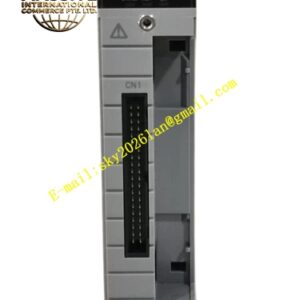
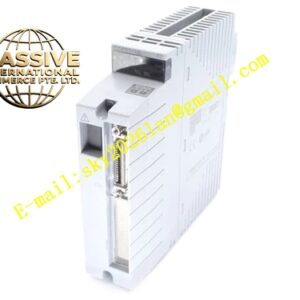
Structural Features: Standard CENTUM‑VP rack‑slot mechanical dimension; rear‑side gold‑plated edge‑connector mates with control‑station rack backplane bus; front‑panel integrates full set of status LED indicators; side metal locking clips fasten module firmly into designated CPU slot of rack; internal layout reserves sufficient clearance for passive convection heat dissipation, no built‑in cooling fan.
Working Principle: After rack power‑on, CP451‑10 completes hardware initialization and self‑diagnosis sequence. User project configuration downloaded from engineering station loads into onboard RAM and flash storage. The processor reads field measurement values from connected I/O modules through backplane bus, executes configured control algorithm calculations, and writes computed output set‑points back to analog and digital output modules. In redundant configuration, primary and standby processors synchronize all real‑time data continuously. When primary processor encounters hardware failure, standby unit takes over all control tasks instantly. Onboard diagnostic circuits monitor hardware operating status all the time and trigger fault‑status LED upon abnormality detection. Process data, alarm events and system status transmit to operator stations via V‑net‑IP communication interface.
Installation Requirements: Fully power off the control‑station rack before inserting CP451‑10 module; insert module into dedicated CPU slot of CENTUM‑VP rack and engage side locking latches for secure mechanical fixation; reserve adequate ventilation space around module housing and do not block ventilation slots; complete hardware configuration setting inside engineering software after hardware installation; implement reliable protective grounding for control cabinet and rack assembly; use official‑specified shielded cables for V‑net‑IP network connection.
Usage Notes: Follow official hot‑swap operation procedures when replacing module on powered‑on rack; verify redundancy synchronization status after completing redundant‑pair installation; perform regular back‑up for project configuration files; do not deploy in environments with corrosive gas, liquid splash or condensation; inspect backplane connector contact condition during periodic system maintenance cycles.