


Description
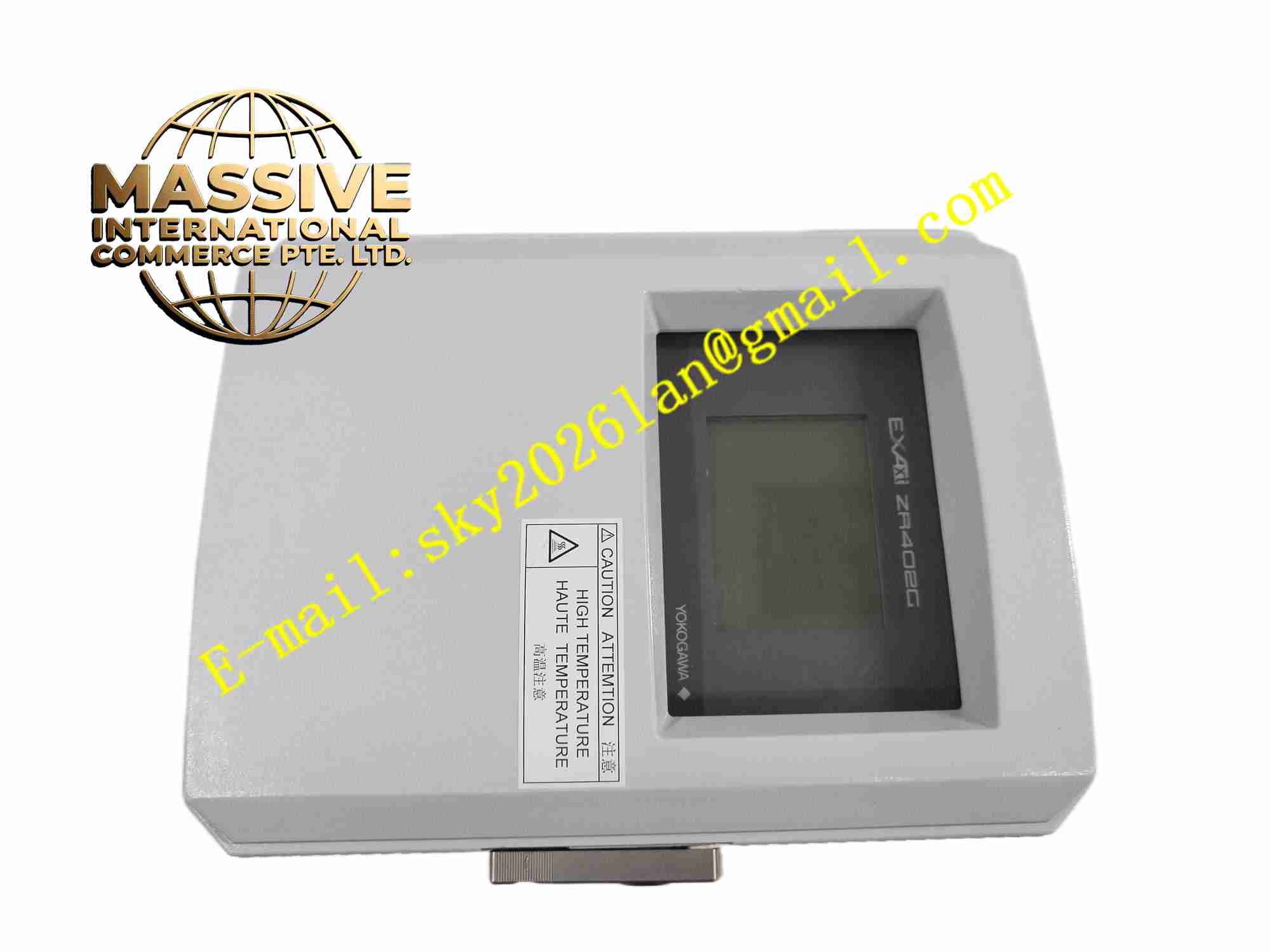
Yokogawa ZR402G-M-E-E-A
Technical Specifications Brand: Yokogawa Model: ZR402G-M-E-E-A Measurement Principle: Zirconia solid electrolyte oxygen measurement Measuring Gas Temperature: Up to 700°C Output Signal: Sensor millivolt signal to matched converter Heater Power: Built-in electric heater for zirconia cell temperature stabilization Protection Grade: IP65 for probe junction box Mounting: Flange insertion mounting into flue duct
Functional Features Direct insertion installation inside flue duct without gas sampling system. Built-in electric heater maintains constant zirconia cell temperature for stable measurement. Resistant to high temperature flue gas environment. Integrated thermocouple measures probe cell temperature. Dust filter at probe tip prevents solid particle contamination of zirconia element. Long-term stable oxygen measurement for combustion control loop.
Application Scenarios Boiler flue gas oxygen monitoring, industrial furnace combustion control, waste incinerator exhaust gas analysis, thermal oil heater combustion optimization, petrochemical process heater oxygen measurement.
Performance Parameters High response speed to oxygen concentration change in flue gas. Stable millivolt signal output over long continuous operation. Built-in temperature compensation for zirconia cell measurement. Resists moderate dust accumulation at probe filter tip. Consistent measurement performance under furnace load fluctuation.
Material Composition Probe Tube: Heat resistant stainless steel alloy. Zirconia Element: Stabilized zirconia solid electrolyte ceramic. Heater Assembly: Nickel-chromium heating wire inside ceramic insulator. Thermocouple: K-type thermocouple wire. Filter Tip: Porous heat-resistant ceramic dust filter. Junction Box: Die-cast aluminum alloy with rubber sealing gasket.
Structural Features Long tubular probe body with flange mounting base. Front ceramic filter tip protects internal zirconia sensor cell. Probe tube integrates heating element and thermocouple. Rear aluminum junction box houses terminal blocks for sensor, heater and thermocouple wiring. Sealed cable glands for wiring entry into junction box.
Working Principle Zirconia ceramic electrolyte conducts oxygen ions when heated to fixed high temperature. Oxygen partial pressure difference between reference air and measured flue gas creates millivolt voltage across zirconia cell. The millivolt signal transfers to Yokogawa converter unit. The converter calculates oxygen concentration value based on Nernst equation. Built-in heater keeps zirconia cell at constant working temperature to eliminate temperature interference.
Installation Requirements Mount probe flange onto prefabricated opening of flue duct. Align probe insertion depth to specified position inside gas flow stream. Route heater, thermocouple and sensor signal cables to converter unit. Use shielded cable for sensor signal wiring. Tighten junction box cable glands to maintain sealing integrity. Perform air calibration after installation.
Usage Notes Avoid thermal shock to probe during furnace startup and shutdown. Clean ceramic filter tip periodically to remove dust buildup. Check heater resistance and thermocouple signal during routine maintenance. Do not subject probe tube to excessive mechanical bending force. Calibrate probe regularly according to combustion system maintenance schedule.