


Description
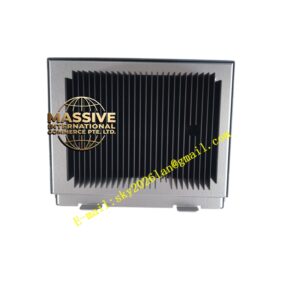
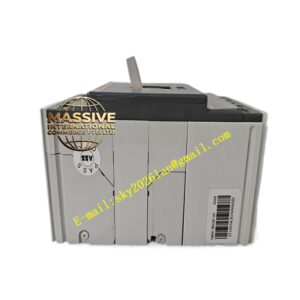
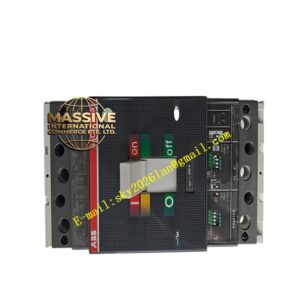
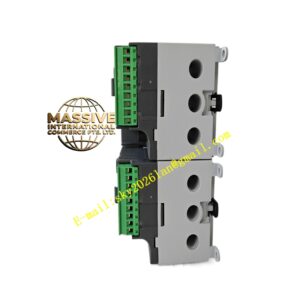
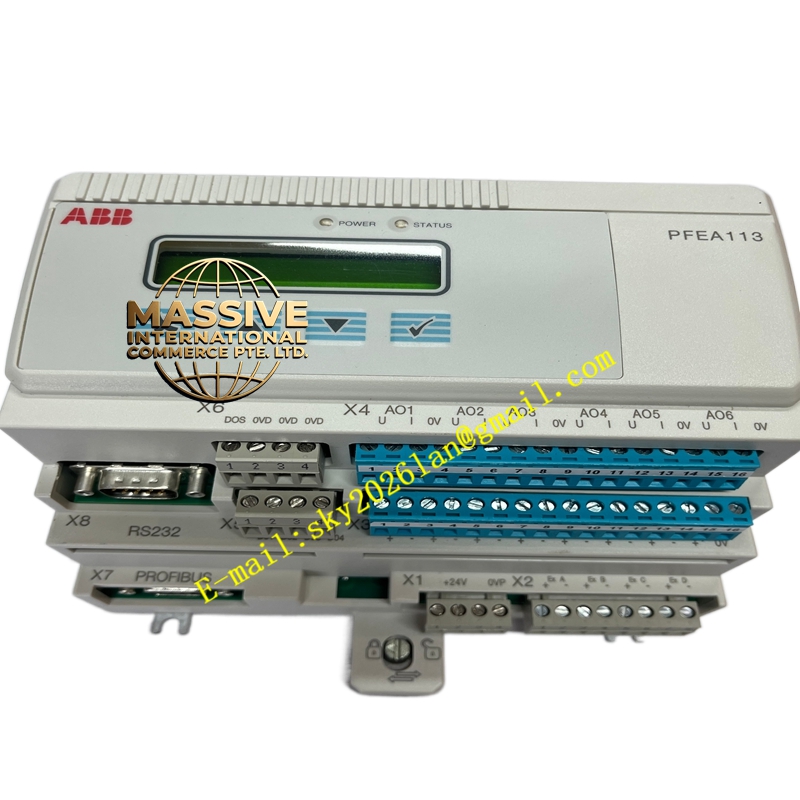
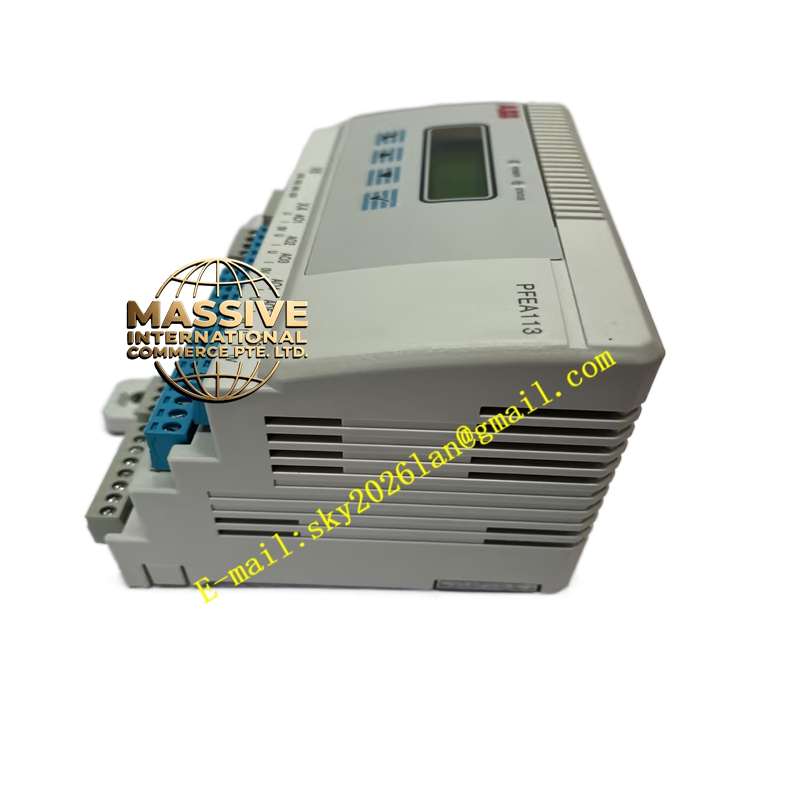
ABB PFEA113-20 3BSE050092R20
Technical Specifications:
- Processing Unit: High-speed digital signal processor dedicated to tension calculation.
- Interface: Profibus-DP compliant for fast cyclic data exchange with master controllers.
- Configuration: Programmable analog and digital I/Os for flexible integration with limit switches, brakes, or clutches.
- Simulation Mode: Built-in simulation functionality for offline testing and system commissioning.
Functional Features:
- Signal Processing: Accurately translates mechanical force into standardized tension values using configurable wrap angle gains.
- Threshold Judgment: Allows users to set specific tension limits to trigger digital outputs for alarms or process interlocks.
- Self-Diagnostics: Continuously monitors the health of the connected load cells and internal circuitry, alerting operators to faults.
- User-Friendly Setup: Step-by-step configuration menus simplify the initial setup and ongoing maintenance processes.
Application Scenarios:
- Metal processing lines requiring precise tension regulation.
- Converting and printing machinery where web tension stability is critical for print registration.
- Textile and plastic film manufacturing processes.
Performance Parameters:
- Measurement Accuracy: High-fidelity signal processing ensures minimal deviation between actual and measured tension.
- Response Time: Fast internal processing loop ensures real-time tension feedback for dynamic control systems.
- Unit Flexibility: Seamless switching between metric and imperial tension units based on plant requirements.
Material Composition & Structural Characteristics:
- Chassis: Industrial-grade metal and polymer housing providing excellent EMI shielding and thermal dissipation.
- Connectors: Heavy-duty terminal blocks and standard Profibus connectors designed for secure connections in vibrating environments.
- Display/Indicators: Front-panel LEDs for immediate visual feedback on power, communication status, and fault conditions.
Working Principle:
Utilizing the piezomagnetic effect, the paired load cells generate a signal proportional to the force exerted by the moving web. The PFEA113-20 amplifies this signal, filters out noise, and applies mathematical compensation for the wrap angle and roll tare weight. The processed tension value is then outputted via analog signals or digital fieldbus networks to regulate drive motors or brake systems.
Installation Requirements:
- Mechanical Alignment: Ensure the load cells are correctly positioned between the guide roll bearing block and the mechanical frame to measure the intended force vector.
- Electrical Grounding: Proper grounding of the control unit and shielded cables is mandatory to prevent signal interference from nearby VFDs.
- Software Configuration: Configure the Profibus address and data mapping in the host PLC to match the PFEA113-20 settings.
Usage Precautions:
- Zeroing Procedure: Perform the SetZero function with the web removed and the roll stationary to eliminate tare weight errors.
- Load Cell Matching: Ensure the Nominal Load parameter perfectly matches the specific load cells connected to this unit.
- Environmental Protection: Keep the unit’s ventilation paths clear of dust and debris to maintain optimal operating temperatures.