


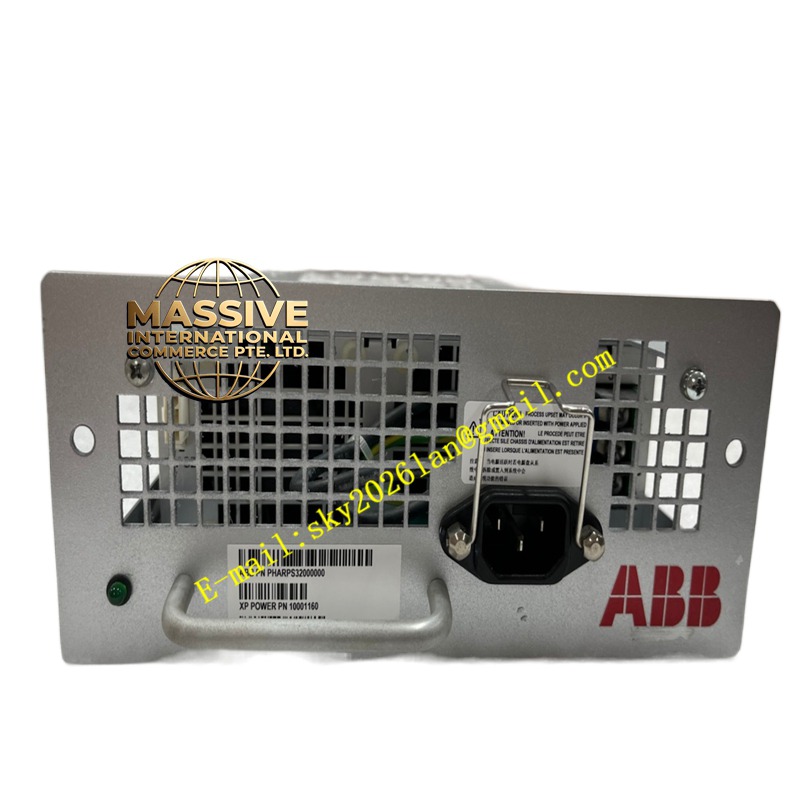
Description
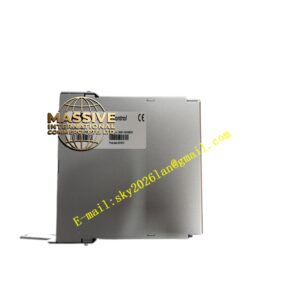
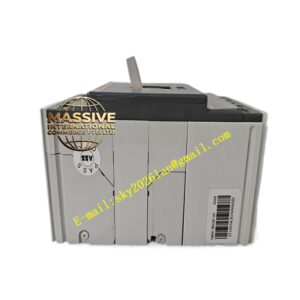
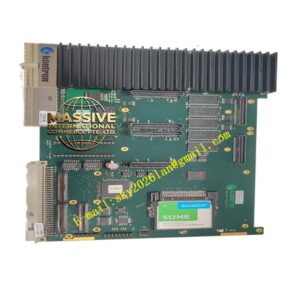
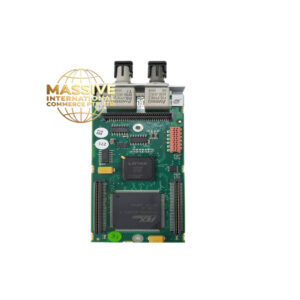
ABB PM554-RP-AC
Technical Specifications:
- Input Type: Alternating Current (AC).
- Function: Power Redundancy and Management.
- Model Designation: PM554-RP-AC.
Functional Features:
- Automatic Switchover: Instantly transfers the load to the backup power source upon primary source failure.
- Power Conditioning: Filters incoming AC power to protect downstream DC power supplies from surges and spikes.
- Status Monitoring: Provides real-time feedback on the health of both primary and backup power lines.
Application Scenarios:
Critical infrastructure control panels, emergency shutdown systems, and continuous process manufacturing where power loss is unacceptable.
Performance Parameters:
- Transfer Time: Near-zero millisecond transfer time to prevent system resets.
- Input Voltage Range: Wide AC input tolerance to accommodate industrial grid fluctuations.
Material Composition:
Heavy-duty industrial components including high-capacity relays or solid-state switches, housed in a flame-retardant enclosure.
Structural Features:
Rack-mountable or DIN-rail compatible form factor with clearly labeled AC input/output terminals and visual power status indicators.
Working Principle:
Continuously monitors the voltage and frequency of dual AC inputs. Utilizing internal logic, it engages the healthy power source to feed the system’s internal power distribution network.
Installation Requirements:
Connect primary and backup AC sources to designated input terminals. Ensure proper grounding and use appropriately sized copper conductors.
Usage Precautions:
Regularly test the redundancy switchover function during scheduled maintenance windows. Never bypass the module’s internal protection mechanisms.