


Description
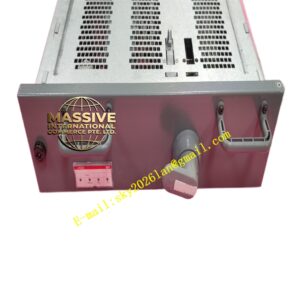
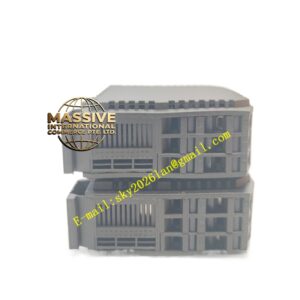
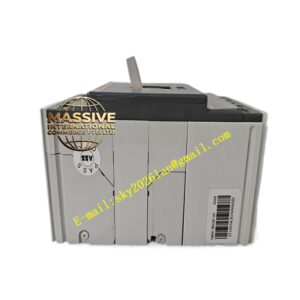
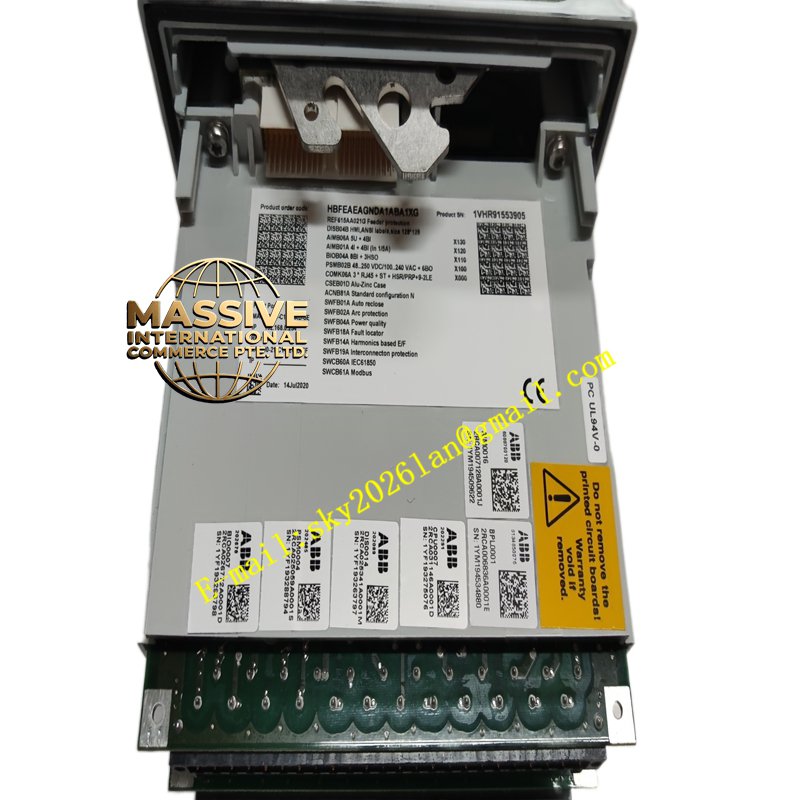
ABB REF615 HBFEAEAGNDA1ABA1XG
Technical Specifications:
- Network Topology Support: Fully adaptable to radial, ring, and meshed networks, with or without distributed generation.
- Communication Standards: Native support for IEC 61850-9-2 LE (Sampled Values), reducing wiring complexity by digitizing analog inputs at the sensor level.
- Protocol Adapter: Supports Profibus DPV1 via the SPA-ZC 302 protocol adapter for legacy system integration.
- Standard Configurations: Available in 12 pre-configured standard setups to accelerate engineering and deployment times.
Functional Features:
- Comprehensive Protection Portfolio: Includes voltage, frequency, and power-based protection alongside traditional overcurrent and ground fault functions.
- Breaker Monitoring: Continuous monitoring of circuit breaker health, including trip coil supervision and mechanical operation counting.
- Web-Based HMI: Allows operators to access real-time data, modify settings, and view customizable SLDs remotely via standard web browsers.
- Lifecycle Services: Supported by ABB’s extensive lifecycle management, ensuring long-term availability of spare parts and technical support.
Application Scenarios:
- Smart grid automation and digital substation upgrades.
- Renewable energy integration (solar, wind) requiring precise synchronization and anti-islanding protection.
- Data centers and critical infrastructure where power continuity is paramount.
- Urban and rural utility distribution networks.
Performance Parameters:
- Interoperability: Strict adherence to IEC 61850 ensures plug-and-play compatibility with third-party Intelligent Electronic Devices (IEDs).
- Reliability: Designed for high Mean Time Between Failures (MTBF) with redundant internal power supplies and communication paths.
- Speed: Ultra-fast fault clearing times utilizing GOOSE messaging for peer-to-peer interlocking and blocking schemes.
- Resolution: High-resolution analog-to-digital converters ensure precise metering for billing and loss calculation.
Material Composition & Structural Characteristics:
- Pluggable Architecture: The draw-out plug-in design minimizes downtime during maintenance or replacement.
- Display Technology: High-resolution, backlit graphical LCD optimized for readability in low-light switchgear environments.
- Thermal Management: Strategically placed heat sinks and ventilation channels maintain optimal operating temperatures under continuous full-load conditions.
- Terminal Blocks: High-density, finger-safe terminal blocks for secure and organized field wiring.
Working Principle:
Operating as an intelligent node in the substation network, the relay digitizes incoming electrical signals and processes them through embedded protection algorithms. It communicates horizontally with other IEDs using GOOSE messages for fast, deterministic control actions (e.g., busbar differential blocking). Vertically, it streams real-time telemetry and event logs to the SCADA system via MMS over TCP/IP. The internal logic engine continuously evaluates system health, triggering alarms or trips based on configurable protection curves and logical conditions.
Installation Requirements:
- Environmental Limits: Install in environments compliant with IEC 60255 standards, avoiding excessive vibration, moisture, or corrosive gases.
- Network Cabling: Use fiber optic cables for Ethernet connections to ensure immunity to electromagnetic interference and provide galvanic isolation.
- Sensor Integration: When using Rogowski coils or low-power VTs, ensure the relay is configured with the correct sensor scaling factors.
- Commissioning: Perform comprehensive end-to-end testing, including communication verification and primary injection if applicable.
Usage Precautions:
- Cybersecurity Best Practices: Implement network segmentation and strong password policies to protect the relay’s web interface and communication ports.
- Configuration Backup: Always export and securely store the PCM600 project file and relay settings after successful commissioning.
- Alarm Management: Configure alarm thresholds appropriately to prevent nuisance alarms while ensuring critical faults are immediately highlighted.
- Safety Interlocks: Ensure all mechanical and electrical safety interlocks associated with the draw-out mechanism are functional before energizing.