



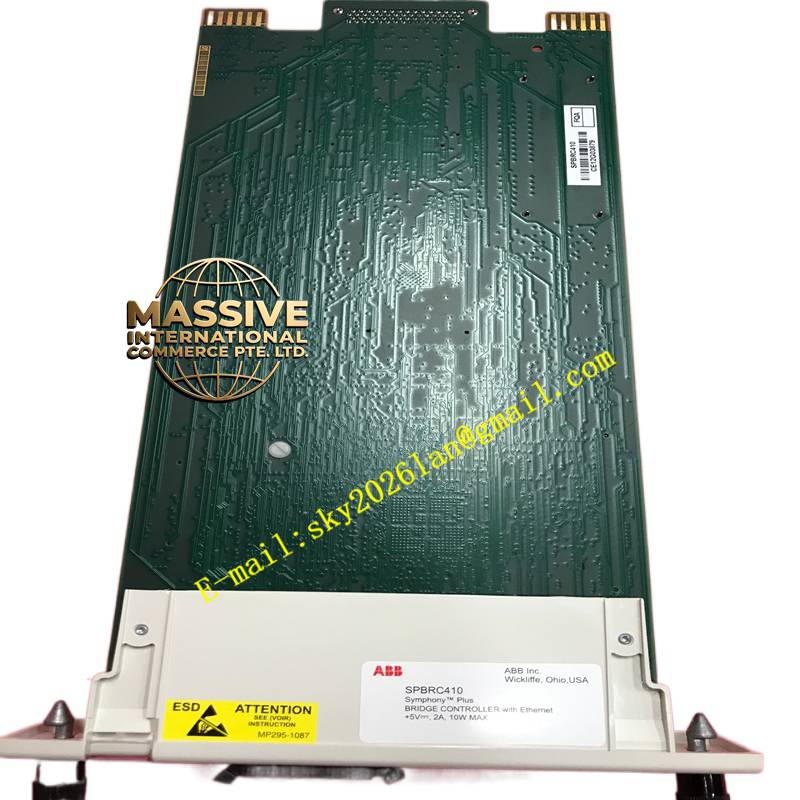
Description
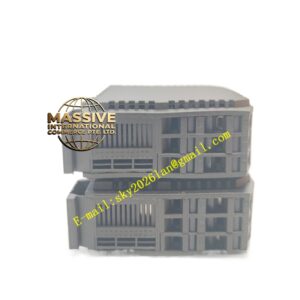
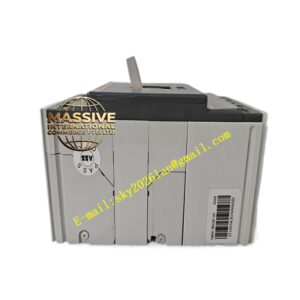
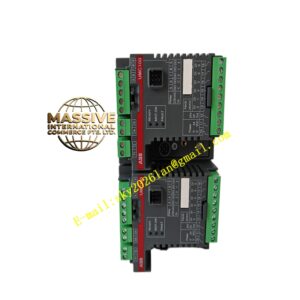
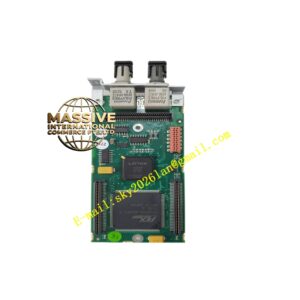
ABB SPIET800
Technical Specifications:
- Protocol Support: Standard Ethernet TCP/IP and industrial protocols.
- Network Speed: High-speed 10/100 Mbps Ethernet connectivity.
- Ports: Dual RJ45 ports for network redundancy.
- Data Throughput: Optimized for high-volume data exchange.
Functional Features:
- Redundant Networking: Supports dual-port redundancy to ensure uninterrupted communication.
- High Bandwidth: Facilitates rapid transfer of large datasets and historical trending.
- Network Diagnostics: Real-time monitoring of link status, packet errors, and network traffic.
- Security: Supports network segmentation and access control features.
Application Scenarios:
- Connecting DCS controllers to plant-wide SCADA systems.
- High-speed data acquisition for performance optimization.
- Integration with enterprise resource planning (ERP) and MES systems.
Material Composition & Structural Characteristics:
- Connectors: Standard industrial RJ45 Ethernet jacks.
- Indicators: Front-panel LEDs for link status, activity, and fault indication.
- Form Factor: Compact plug-in module for Symphony Plus racks.
Working Principle:
The SPIET800 acts as a network gateway, packaging controller data into standard Ethernet frames and transmitting them over the plant network. It also receives commands and configuration data from the network and routes them to the local controller.
Installation Requirements:
- Connect to a managed industrial Ethernet switch.
- Use CAT5e or CAT6 shielded Ethernet cables for reliable high-speed communication.
- Configure IP addresses and subnet masks according to the plant network architecture.
Usage Precautions:
- Ensure the network switch supports the required industrial protocols.
- Avoid connecting the module to unmanaged networks with excessive broadcast traffic.