


Description
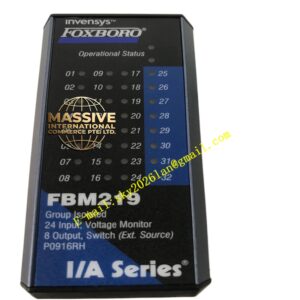
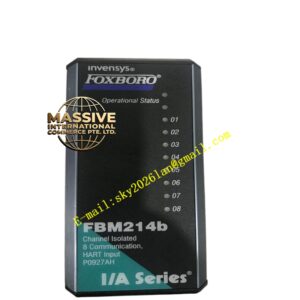
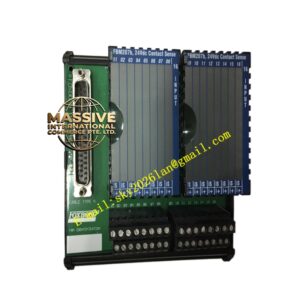
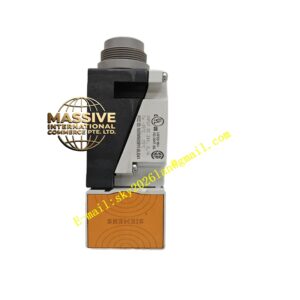
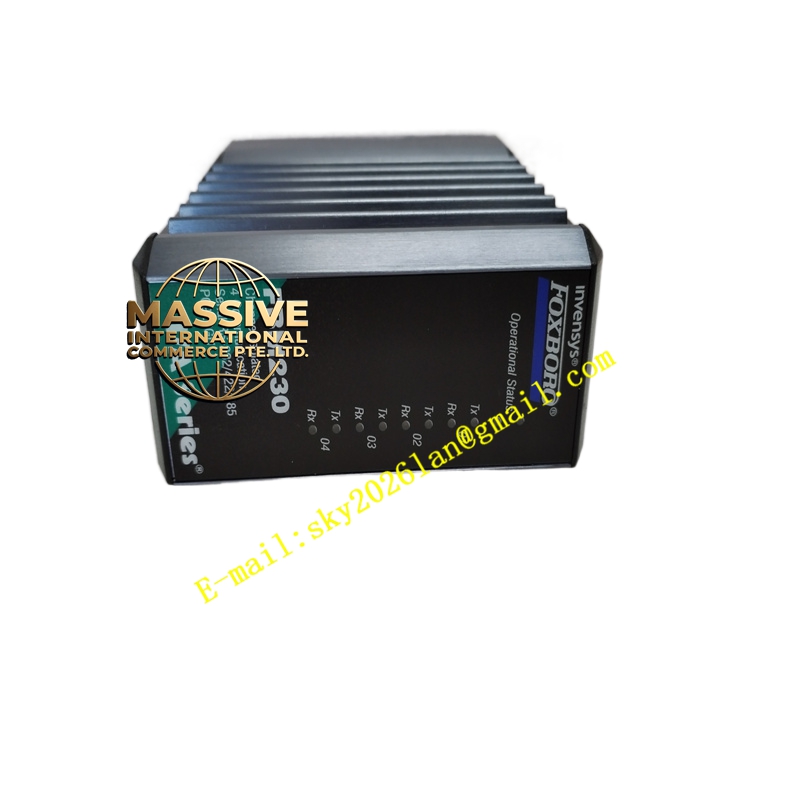
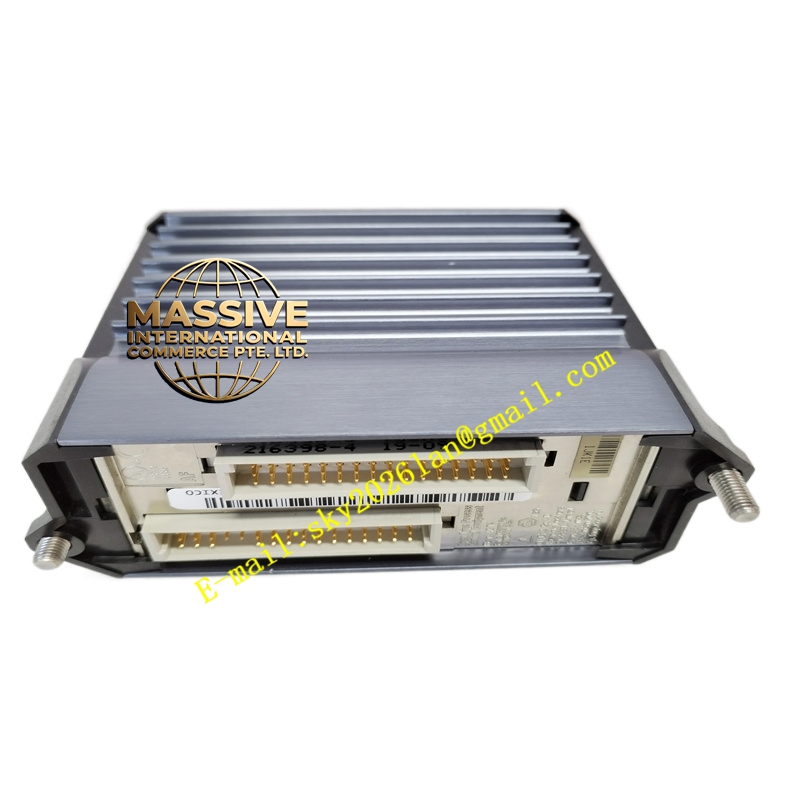
Foxboro P0926GU
Technical Specifications:
- Module Type: Digital Output, Analog Input, and Ethernet Communication Module
- Processor: 32-bit Industrial RISC Processor
- Instruction Speed: 0.1 µs per Boolean instruction, 0.5 µs per floating-point instruction
- Memory: 8 MB program memory, 4 MB data memory
- Communication Interfaces: Ethernet 10/100BaseTX, ControlNet, RS-232
- Supported Protocols: Modbus/TCP, HTTP, Telnet (for configuration), OPC Server for Modbus/TCP
- Operating Temperature: 0°C to 60°C
- Storage Temperature: -40°C to 85°C
- Power Supply: 24 V DC, power consumption 10 W, supports redundant power configuration
- Dimensions: 140 mm × 165 mm × 45 mm
- Weight: 0.6 kg
- Enclosure Rating: IP20, die-cast aluminum housing suitable for G3-class harsh environments (high dust, strong electromagnetic interference)
Functional Features:
- Multi-Protocol Communication: Supports simultaneous communication for configuration (HTTP, Telnet, Windows-based utilities) and real-time I/O data exchange.
- High Reliability: Bit-by-bit matching technology ensures data consistency and prevents erroneous information transfer.
- Flexible Expansion: Supports up to 256 I/O points and remote I/O link extensions.
- Seamless Integration: Compatible with all Foxboro I/A Series I/O modules and host software (e.g., Foxboro InTouch, Wonderware System Platform).
- Robust Design: Engineered to withstand harsh industrial conditions including high vibration, shock, and electrical noise.
Application Scenarios:
- Industrial Automation: Manufacturing process control, equipment monitoring, and production line automation.
- Process Control: Chemical processing, oil and gas refining, and pharmaceutical production for precise control of valves, pumps, and critical process equipment.
- Power Generation: Monitoring and control of generators, switchgear, and power distribution systems.
- Water and Wastewater Treatment: Monitoring and controlling pumps, valves, and treatment tanks to ensure compliance and efficiency.
- Building Automation: Integration into HVAC, lighting, and security systems for centralized management.
Performance Parameters:
- Data Acquisition Speed: Real-time data processing with high-speed analog-to-digital conversion for precise measurements.
- Signal Isolation: Channel-to-channel and channel-to-ground isolation to prevent ground loops and ensure signal integrity.
- Diagnostic Capabilities: Comprehensive self-diagnostics for hardware faults, communication errors, and I/O anomalies.
- Redundancy Support: Supports redundant module and power configurations for continuous operation in mission-critical applications.
Material and Structural Characteristics:
- Housing Material: Die-cast aluminum for enhanced durability and electromagnetic shielding.
- PCB Construction: Industrial-grade printed circuit boards with conformal coating for protection against moisture and contaminants.
- Connector Type: High-density connectors for secure field wiring and system integration.
- Environmental Protection: Sealed design to resist dust, humidity, and corrosive atmospheres.
Working Principle:
The P0926GU module operates by receiving digital commands and analog signals from field devices through its I/O interfaces. The built-in RISC processor processes these signals according to programmed logic and communicates with the host system via Ethernet using Modbus/TCP protocol. It supports simultaneous web-based configuration for real-time adjustments and data logging. The module uses bit-matching techniques to verify data consistency between redundant modules, ensuring system reliability.
Installation Requirements:
- Mounting: Designed for DIN-rail installation in control cabinets or enclosures.
- Wiring: Proper shielding and termination of communication cables (Ethernet) and field wiring to minimize electromagnetic interference.
- Power Supply: Ensure stable 24 V DC power supply with proper grounding and surge protection.
- Configuration: Use web-based interface or software tools for initial setup and parameter configuration.
Usage Notes:
- Environmental Compatibility: Ensure operating conditions (temperature, humidity, dust) are within specified ranges to maintain optimal performance.
- Regular Maintenance: Periodically inspect connections, clean ventilation areas, and update firmware for enhanced functionality and security.
- Handling: Avoid electrostatic discharge (ESD) during installation; handle modules by the edges to prevent damage.
- Safety: Follow lockout/tagout procedures during installation or maintenance to prevent electrical hazards.