


Description
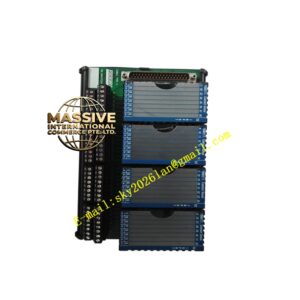
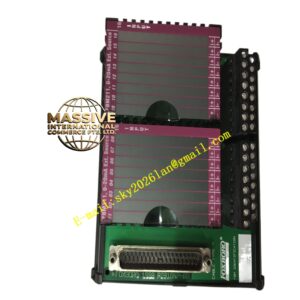
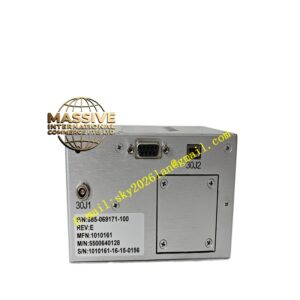
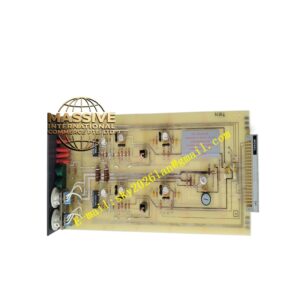
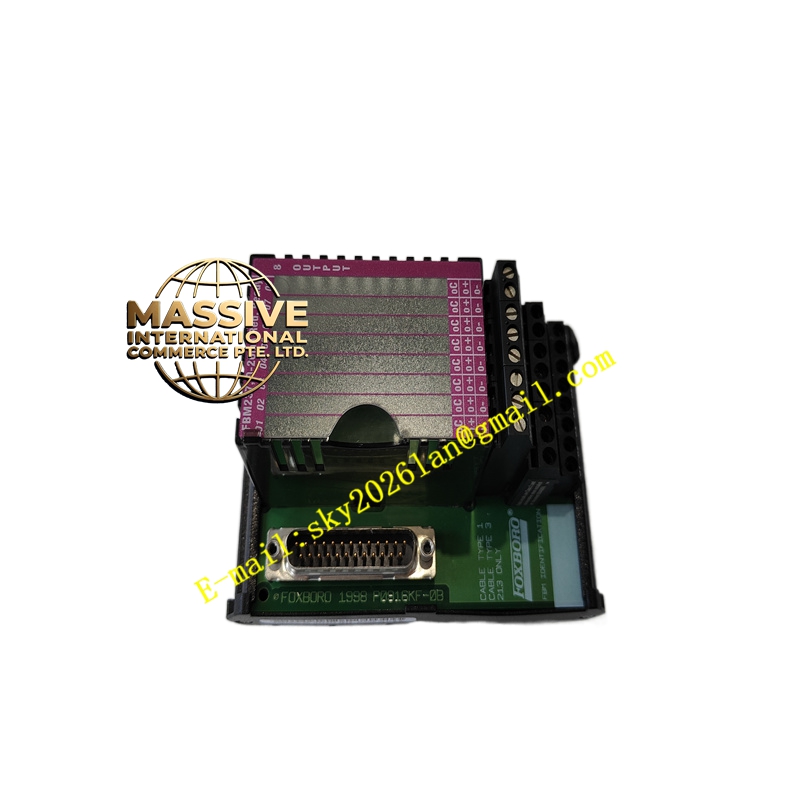
Foxboro PBCO-D8-009
Technical Specifications:
- Cable Type: Output cable assembly (specific configuration may vary)
- Number of Conductors: 8 conductors (varies by specific configuration)
- Wire Gauge: Typically 22-24 AWG (varies by specific configuration)
- Insulation Material: PVC or other industrial-grade insulation material
- Jacket Material: Oil-resistant and chemical-resistant jacket (e.g., PUR)
- Operating Temperature: -20°C to 80°C (varies by specific configuration)
- Shielding: May include shielding for noise immunity (varies by specific configuration)
- Connector Type: Industrial-grade connectors for secure field wiring
- Cable Length: Typically 1-2 meters (varies by specific configuration)
Functional Features:
- High Reliability: Designed for reliable signal transmission in harsh industrial environments.
- Flexibility: Flexible cable design for easy routing in tight spaces.
- Durability: Oil-resistant, chemical-resistant, and abrasion-resistant jacket for long service life.
- Noise Immunity: Shielding options available for enhanced noise immunity in electrically noisy environments.
- Easy Installation: Pre-terminated connectors reduce installation time and ensure proper connections.
Application Scenarios:
- Industrial Automation: Used in manufacturing, assembly lines, and packaging machinery for connecting I/O modules to field devices.
- Process Control: Applied in chemical processing, oil and gas refining, and water treatment for connecting I/O modules to sensors and actuators.
- Machine Control: Integrated into CNC machines, robotics, and material handling systems for device connections.
- Building Automation: Applied to HVAC, lighting, and access control systems for device connections.
- Power Management: Used in power distribution systems for connecting I/O modules to protection relays and monitoring devices.
Performance Parameters:
- Signal Integrity: Ensures accurate signal transmission with minimal loss and distortion.
- Electrical Insulation: High insulation resistance to prevent leakage currents and short circuits.
- Mechanical Strength: High tensile strength to withstand mechanical stress during installation and operation.
- Environmental Resistance: Resistant to oil, chemicals, and extreme temperatures.
Material and Structural Characteristics:
- Conductor Material: Tinned copper for corrosion resistance and low resistance.
- Insulation Material: PVC or other industrial-grade insulation material with excellent dielectric properties.
- Jacket Material: Oil-resistant and chemical-resistant PUR or PVC jacket for durability.
- Shielding Material: Braided or foil shielding for noise immunity (if applicable).
- Connector Material: Industrial-grade metal or plastic connectors with high impact resistance.
Working Principle:
The PBCO-D8-009 cable assembly operates by providing a physical and electrical connection between I/O modules and field devices. The conductors carry electrical signals (e.g., 4-20 mA, 0-10 V, digital signals) from the I/O module to the field device or vice versa. The insulation and jacket provide electrical isolation and protection against environmental factors, while shielding helps to reduce electromagnetic interference.
Installation Requirements:
- Routing: Route cables away from high-voltage and high-current conductors to minimize electromagnetic interference.
- Bend Radius: Observe minimum bend radius to prevent damage to the cable.
- Termination: Ensure proper termination at both ends to prevent loose connections and signal loss.
- Labeling: Label cables at both ends for easy identification and maintenance.
Usage Notes:
- Cable Handling: Avoid sharp bends and kinks during installation to prevent damage to the cable.
- Environmental Compatibility: Ensure operating conditions (temperature, humidity, chemical exposure) are within specified ranges.
- Regular Inspection: Periodically inspect cables for signs of wear, damage, or corrosion.
- Replacement: Replace cables if they show signs of wear or damage to ensure reliable operation.
- Safety: Follow lockout/tagout procedures during installation or maintenance to prevent electrical hazards.