


Description
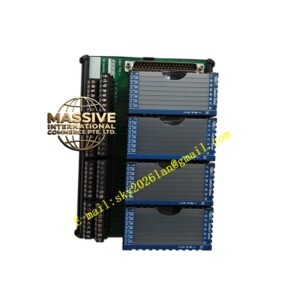
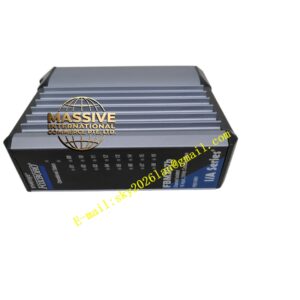
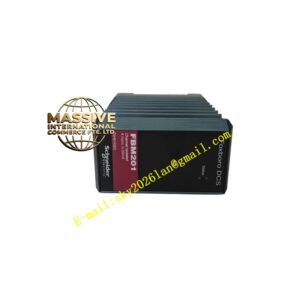
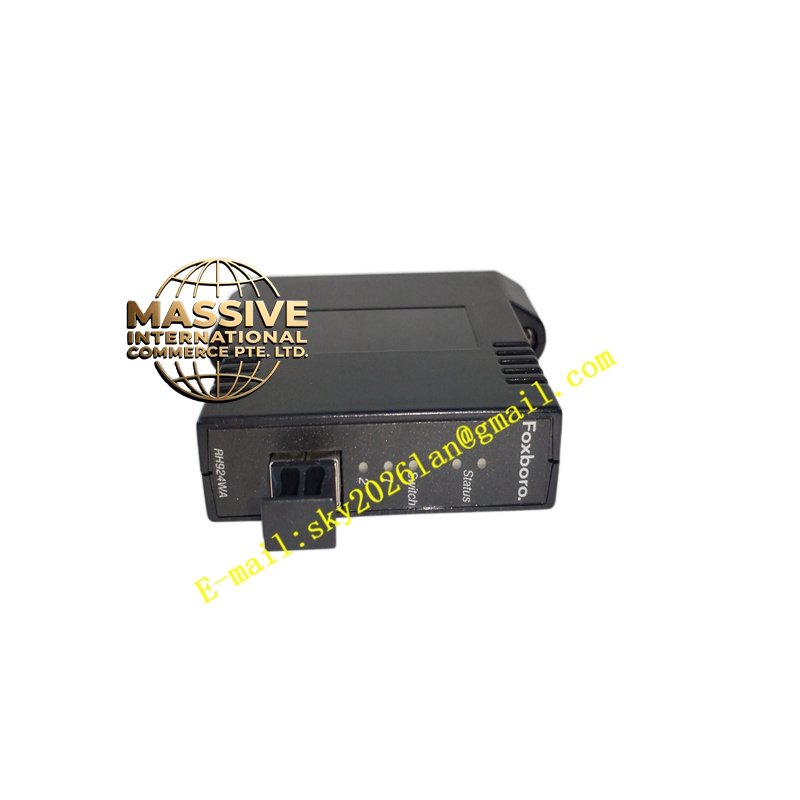
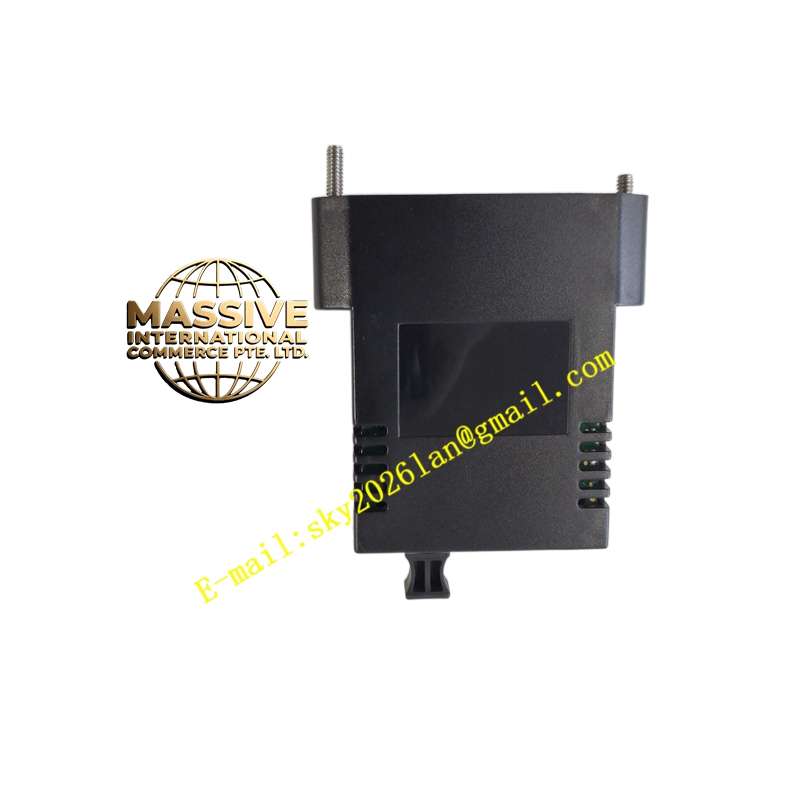
Foxboro RH924WA
Technical Specifications:
- Type: RTD Input Terminal Assembly
- Associated Module: FBM203
- Sensor Type: Pt100, Pt1000, Ni120 (3-wire or 4-wire)
- Connections: Dedicated terminals for sensor leads
- Environmental Rating: G3
- Operating Temperature: -40 °C to +70 °C
Functional Features:
- Supports 3-wire and 4-wire connection schemes for automatic lead resistance compensation
- High-stability low-resistance terminals
- Robust protection against ESD and electrical surges
- Clear labeling for A, B, C sensor connections
Application Scenarios:
- Precision temperature measurement in reactors and vessels
- Process piping temperature monitoring
- Motor winding temperature sensing
- Critical control loops requiring high accuracy
Performance Parameters:
- Low thermal EMF terminals for high accuracy
- Excellent long-term stability of contact resistance
- Supports Class A or B sensor accuracies
Material and Structural Characteristics:
- High-quality metal terminals (often brass or copper alloy)
- Corrosion-resistant plating
- High insulation resistance housing
Working Principle:
The assembly provides the bridge between the delicate RTD sensor and the measurement module. In 3-wire mode, it allows the module to measure the resistance of the sensor leads and subtract it from the total resistance, ensuring only the sensor’s resistance is measured.
Installation Requirements:
- Use sensor leads with proper insulation and shielding
- Ensure correct A/B/C lead assignment to the terminals
- Avoid running sensor cables next to power cables
Usage Notes:
- Periodically check connections for oxidation which can add resistance
- Ensure sensor compatibility with the input range
- Calibrate the system if changing wire lengths significantly