


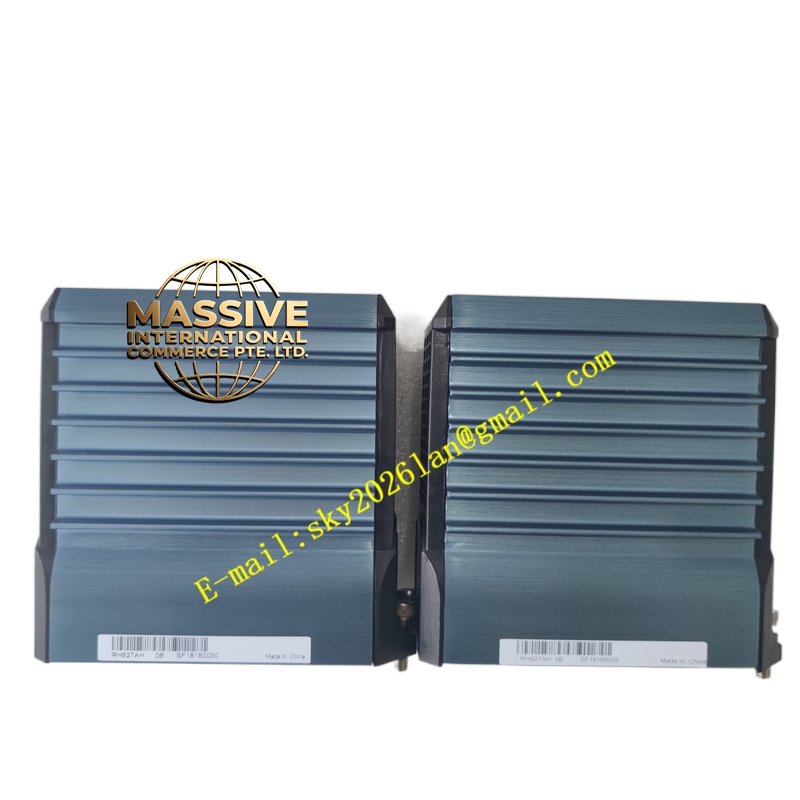
Description
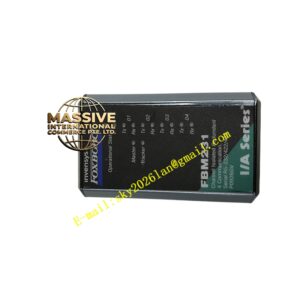
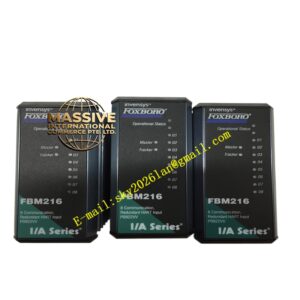
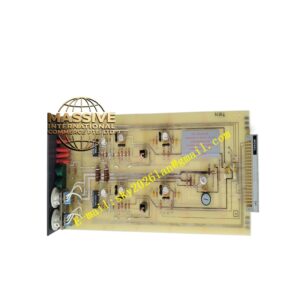
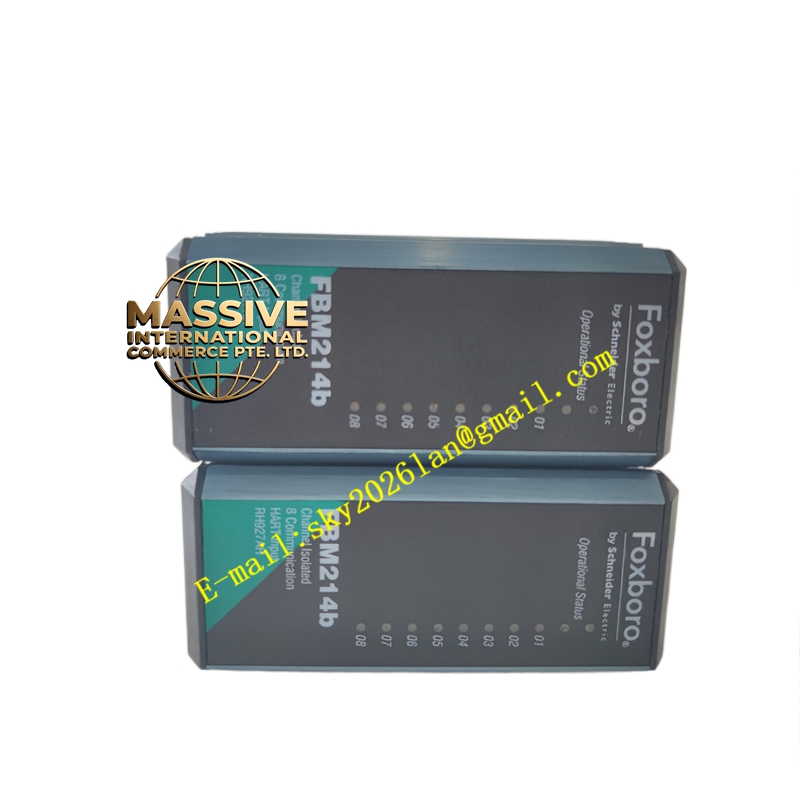
Foxboro RH927AH
Technical Specifications:
- Type: Thermocouple Input Assembly
- Associated Module: FBM202
- Sensor Types: J, K, T, E, B, R, S Thermocouples
- Termination: Thermocouple-specific terminal blocks (compensating material)
- Environmental Rating: G3
- Operating Temperature: -40 °C to +70 °C (sensor handles much higher temps)
Functional Features:
- Cold junction compensation (CJC) integration or compatible terminals
- Connection points utilizing thermocouple-grade materials to prevent errors
- High noise rejection for millivolt signals
- Polarity identification markings (+/-)
Application Scenarios:
- Furnace and kiln temperature monitoring
- Flue gas temperature measurement
- High-temperature chemical reactor monitoring
- Combustion control systems
Performance Parameters:
- High accuracy millivolt signal transmission
- Stability over wide ambient temperature ranges
- Protection against RFI/EMI interference
Material and Structural Characteristics:
- Terminals made of alloys matching the thermocouple type (or compensating alloys)
- Robust insulating materials capable of withstanding high ambient heat
- Rigid backplane connections
Working Principle:
The assembly connects the thermocouple wires to the input module. Since thermocouples generate a very small voltage proportional to temperature difference, the assembly ensures a clean, low-resistance path. The system measures the temperature at the terminals (cold junction) to mathematically compensate for the reference temperature.
Installation Requirements:
- Use thermocouple extension wire matching the sensor type
- Avoid junction points between dissimilar metals (except at terminals)
- Ensure tight connections to prevent voltage drop from resistance
Usage Notes:
- Strictly observe polarity when connecting thermocouples
- Check for correct cold junction compensation in software configuration
- Periodically inspect for heat damage or degradation of insulation