


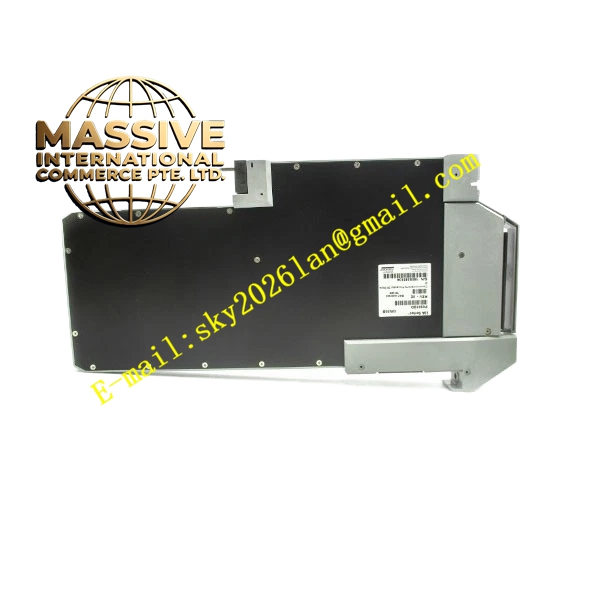
Description
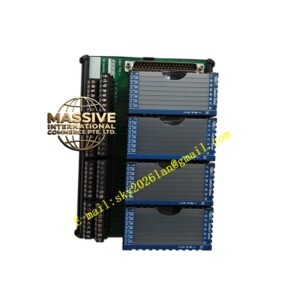
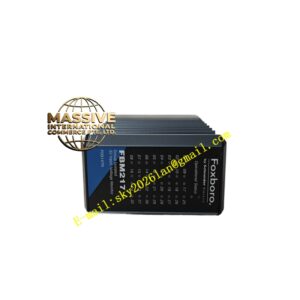
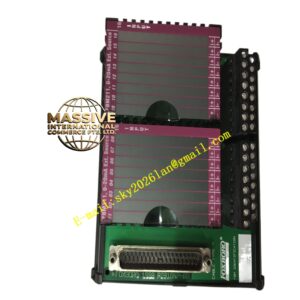
Foxboro SY-61025006RA
Technical Specifications
- Product Type: High-Density Field Wiring Harness.
- Channel Count: Supports 32, 64, or more channels per assembly.
- Connector Type: High-density D-sub or rectangular industrial connectors.
- Wire Gauge: 22-24 AWG stranded copper.
Functional Features
- Space Efficiency: Reduces cabinet wiring clutter by up to 80% compared to individual wires.
- Rapid Deployment: Pre-terminated ends allow for “plug-and-play” I/O installation.
- Organized Routing: Flat cable design fits neatly into standard wire ducts.
- Reliability: Factory-terminated connections are more reliable than hand-crimped field terminations.
Application Scenarios
Ideal for large control panels with high I/O counts, such as in refinery unit control rooms, water treatment plants, and manufacturing assembly lines.
Performance Parameters
- Voltage Rating: 300V RMS.
- Temperature Range: -20°C to +80°C.
- Dielectric Withstanding: 1500V AC for 1 minute without breakdown.
Material Composition
Conductors are tinned copper for corrosion resistance. Insulation is color-coded PVC for easy circuit identification. The outer jacket is oil-resistant and flame-retardant. Connectors feature gold-plated contacts for low-resistance mating.
Structural Characteristics
A flat, ribbon-style or tightly bundled multi-conductor cable. One end typically terminates in a high-density connector that mates directly to the FBM, while the other end may feature a breakout fan-out with individually labeled wires for field connection.
Working Principle
The harness provides a parallel electrical pathway for multiple signals. Each conductor is independently insulated and shielded (in some variants) to prevent crosstalk. The high-density connector maps each pin to a specific I/O channel in the control module.
Installation Requirements
Secure the harness with Velcro or plastic cable ties at regular intervals. Avoid sharp bends at the breakout point. Ensure the high-density connector is evenly seated and the locking screws are tightened.
Usage Precautions
- Do not staple the cable directly to the cabinet; use proper cushioned clamps.
- Verify the pinout diagram matches the I/O module configuration.
- Inspect the breakout wires for nicks or cuts before connecting to field devices.