


Description
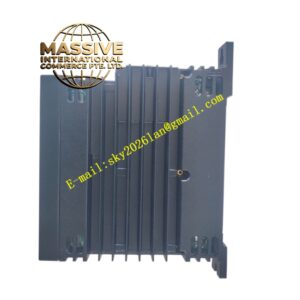
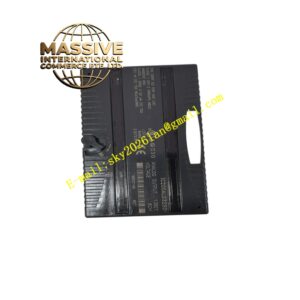
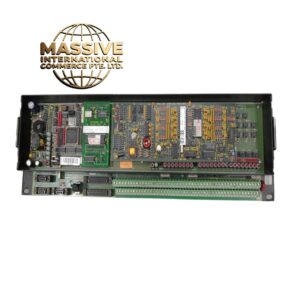
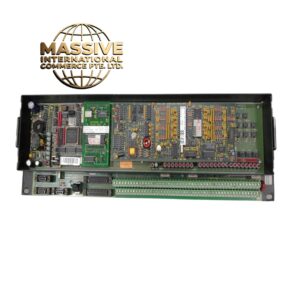
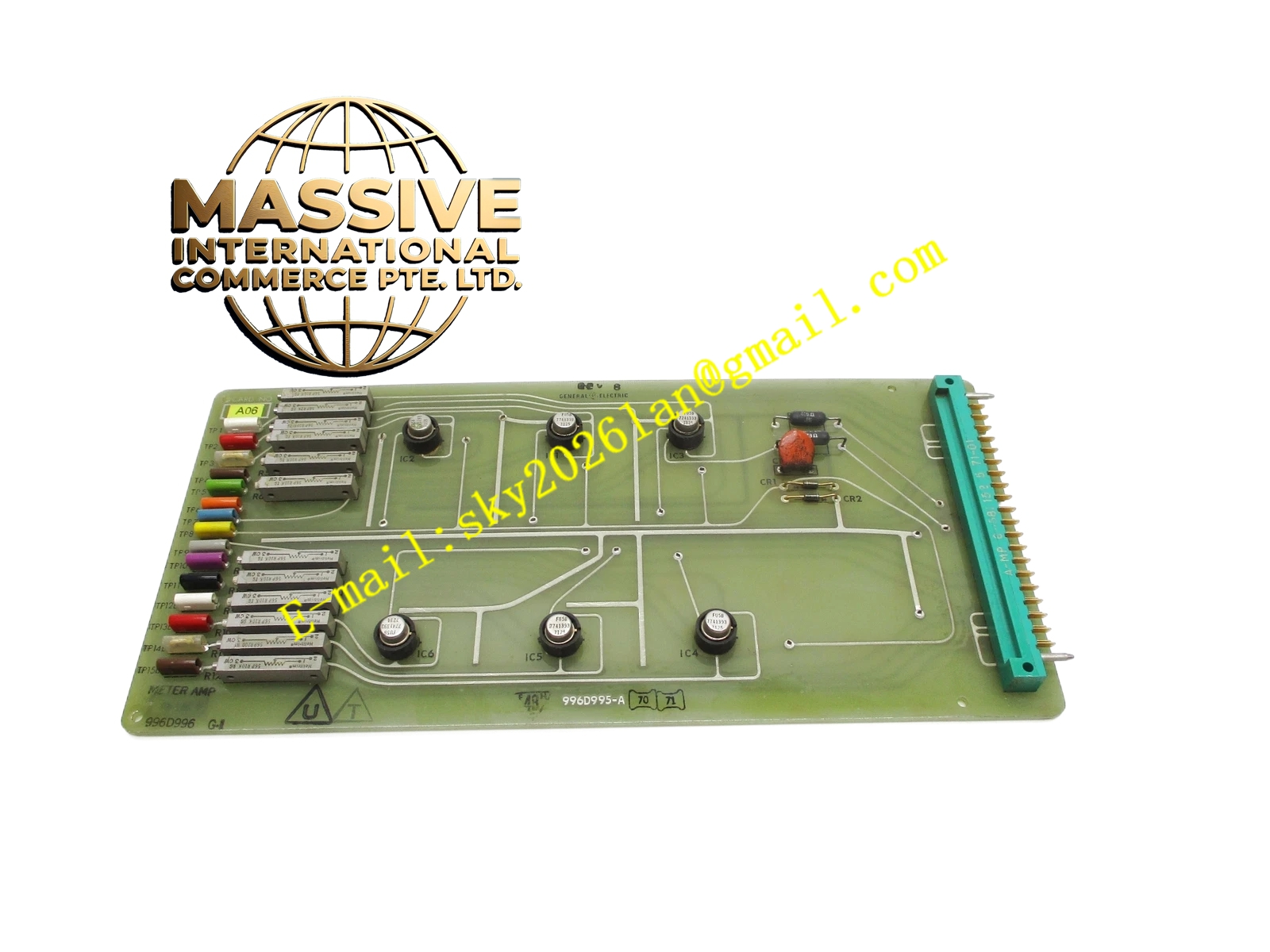
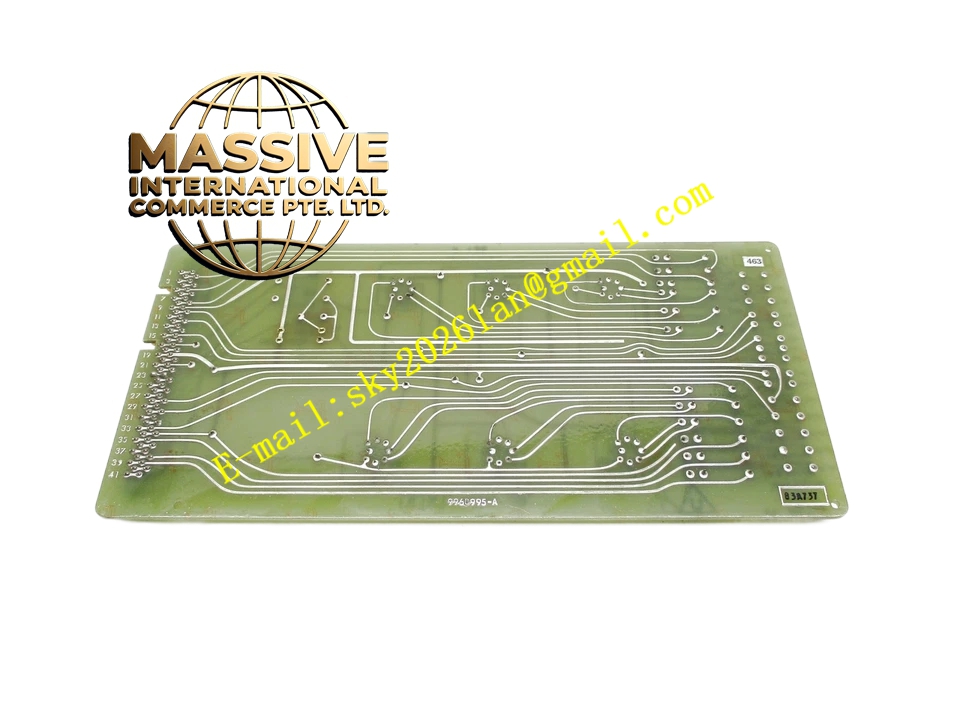
GE 996D996G1
Technical Specifications
- Product Type: Electromechanical Control Relay / Contactor.
- Series: GE 996 Series.
- Contact Configuration: Specific arrangement based on the 996G1 suffix.
- Coil Voltage: Rated for standard industrial control voltages.
Functional Features
- High Current Switching: Capable of handling significant inrush and steady-state currents.
- Mechanical Durability: High-cycle mechanical life for frequent switching applications.
- Arc Suppression: Integrated arc chutes to safely extinguish electrical arcs during contact opening.
Application Scenarios
- Motor Control Centers (MCC): Starting and stopping industrial motors.
- Power Distribution: Switching feeder circuits and control transformers.
Performance Parameters
- Contact Rating: Rated for specific AC/DC voltage and current loads per NEMA/IEC standards.
- Operate/Release Time: Fast, predictable mechanical response times.
Material Composition
- Contacts: Silver-cadmium oxide or silver-tin oxide alloys for high conductivity and arc resistance.
- Housing: High-strength, flame-retardant thermoset plastic.
Structural Characteristics
- Mounting: Standard panel or DIN rail mounting options.
- Terminals: Screw-clamp or bolt-type terminals for secure field wiring.
Working Principle
When the control coil is energized, it generates a magnetic field that overcomes spring tension, pulling the movable armature to close (or open) the power contacts, thereby completing (or breaking) the load circuit.
Installation Requirements
- Mount the device in an upright position to ensure proper mechanical operation and arc extinction.
- Torque all terminal connections to the manufacturer’s specified values to prevent hot spots.
Usage Precautions
- Never exceed the rated voltage or current capacity of the contacts.
- Inspect contacts periodically for pitting, welding, or excessive wear.
- Ensure the coil voltage matches the control circuit voltage.