


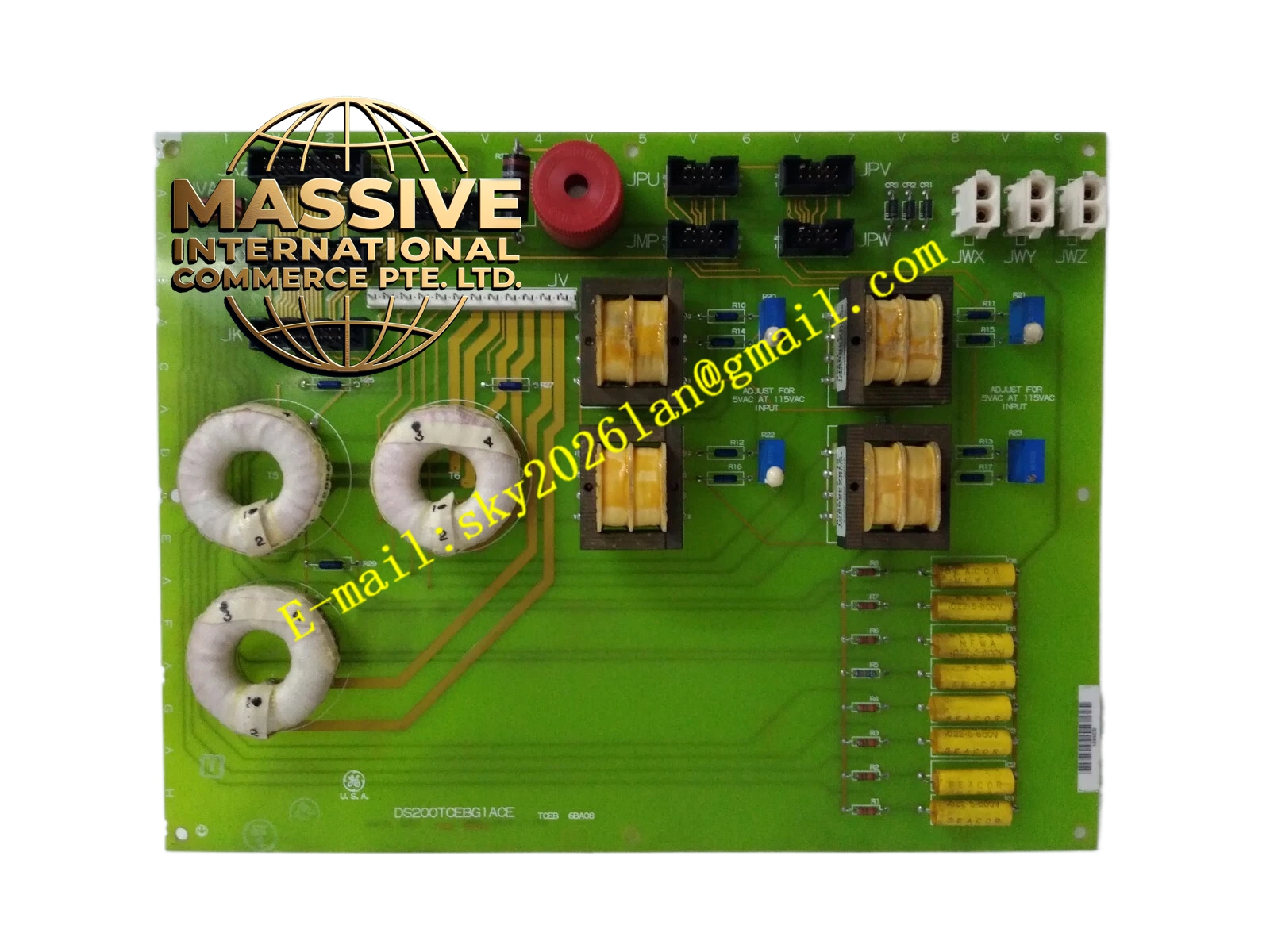
Description
GE DS200TCDAG2BBA
Technical Specifications
- Series: GE Mark V Speedtronic
- Board Type: Turbine Control / Sequence Board
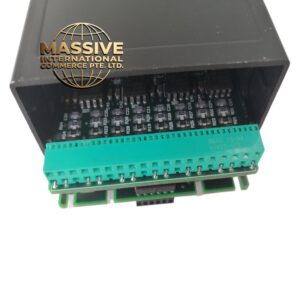
- Connectivity: High-density backplane connections for core-to-core communication.
Functional Features
- Executes real-time control algorithms for turbine startup, synchronization, and shutdown.
- Interfaces with analog and digital I/O boards to process field sensor data.
- Provides diagnostic feedback and fault logging to the HMI.
Application Scenarios
Exclusively utilized in GE heavy-duty gas and steam turbine control systems to manage critical operational parameters and safety interlocks.
Performance Parameters
- Deterministic processing speed for real-time safety and control.
- High noise immunity for reliable operation in electrically noisy power plant environments.
Material Composition
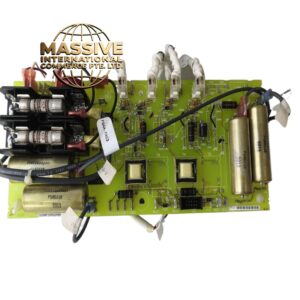
Multi-layer industrial-grade PCB with extensive conformal coating to protect against moisture, dust, and corrosive gases.
Structural Characteristics
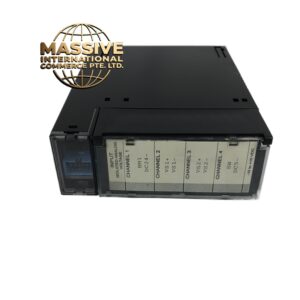
Standard Mark V rack-mountable form factor featuring numerous I/O connectors, status indicator LEDs, and configuration jumpers.
Working Principle
Continuously scans field inputs, compares them against programmed safety and operational setpoints, and outputs control signals to actuators and valves to maintain optimal turbine performance.
Installation Requirements
- System must be powered down and locked out before replacement.
- Document all jumper and switch settings from the original board.
- Align carefully with the backplane to prevent pin damage.
Usage Precautions
- Strictly observe Electrostatic Discharge (ESD) protocols.
- Handle with extreme care due to the age-related fragility of legacy components.
- Perform functional testing after installation to verify system integrity.