


Description
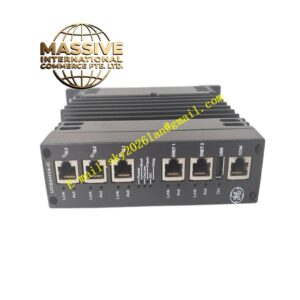
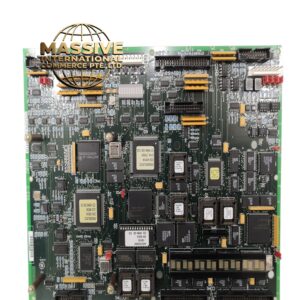
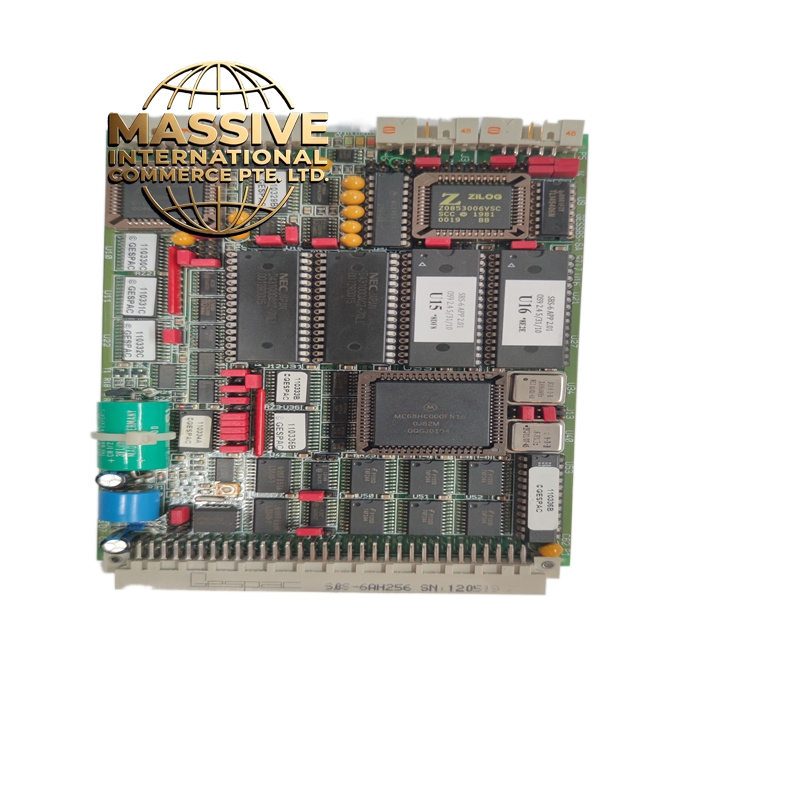
GE GESSBS-6AH256 Technical Specifications:
- System Type: Distributed Control System (DCS) and Turbine Control.
- Application: General Electric turbine and power plant control systems.
- Form Factor: Standard industrial module designed for rack mounting.
- Compatibility: Integrates seamlessly with existing GE DCS architectures.
Functional Features:
- Advanced Processing: Handles high-speed data processing and execution of complex control algorithms.
- Reliable Communication: Facilitates stable data exchange between field devices, controllers, and upper-level SCADA systems.
- Diagnostic Capabilities: Provides continuous self-monitoring and fault reporting to minimize downtime.
- Redundancy Support: Designed to operate in redundant configurations for enhanced system availability.
Application Scenarios:
- Power generation plants, including gas and steam turbines.
- Petrochemical and refining facilities.
- Large-scale manufacturing and process control environments.
Performance Parameters:
- Reliability: High Mean Time Between Failures (MTBF) ensuring continuous operation.
- Response Time: Millisecond-level processing for real-time control requirements.
- Signal Integrity: Excellent noise immunity for harsh industrial environments.
Material Composition & Structural Characteristics:
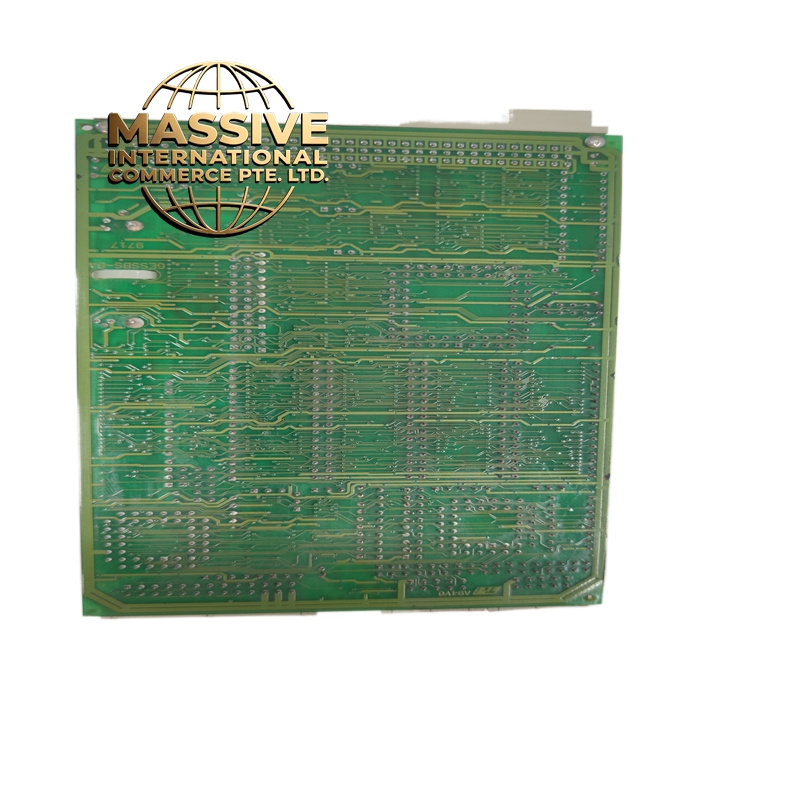
- Circuit Board: Multi-layer industrial-grade PCB with conformal coating.
- Connectors: High-density, vibration-resistant backplane connectors.
- Enclosure: Ruggedized metal or composite housing for EMI shielding and thermal management.
Working Principle: The module receives process variables from field instruments via the I/O subsystem. Its internal microprocessor executes the configured control logic and sends output commands to actuators. It continuously communicates with the system network to update the operator interface and log historical data.
Installation Requirements:
- Environment: Install in a climate-controlled cabinet with adequate ventilation.
- Mounting: Securely fasten to the designated rack slot and engage locking mechanisms.
- Grounding: Ensure proper system grounding to prevent electrical interference.
Usage Precautions:
- Electrostatic Discharge: Always use ESD protection when handling the module.
- Power Sequence: Follow the manufacturer’s power-up and power-down sequences strictly.
- Maintenance: Perform regular visual inspections and clean dust from ventilation paths.