


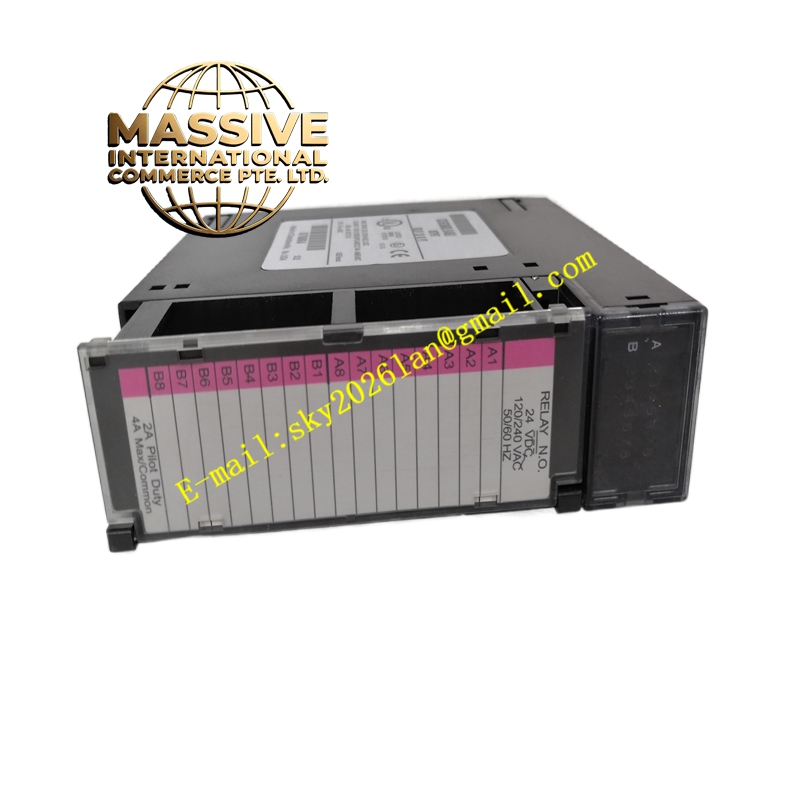
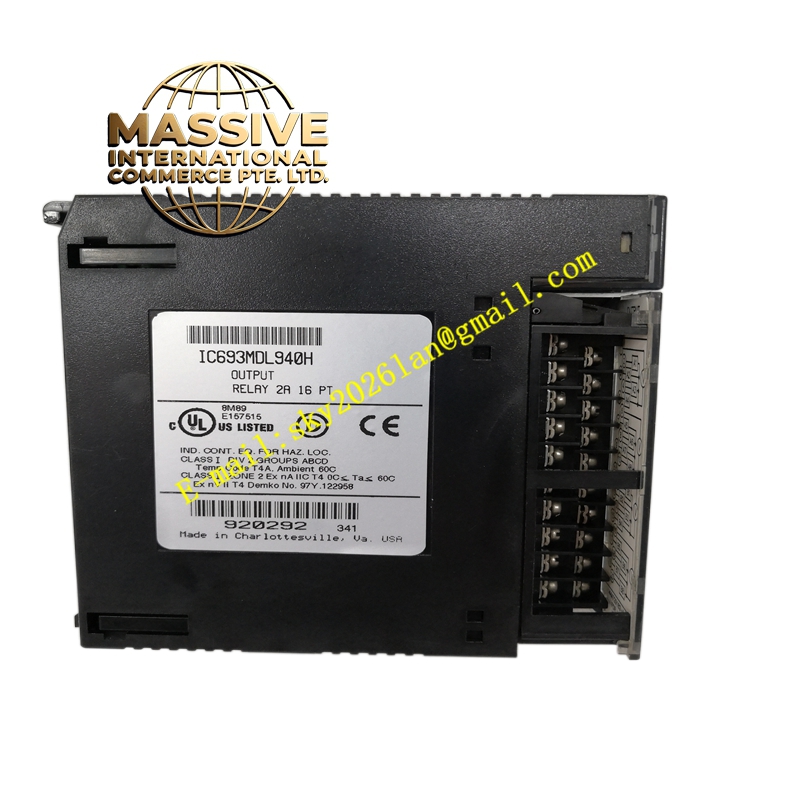
Description
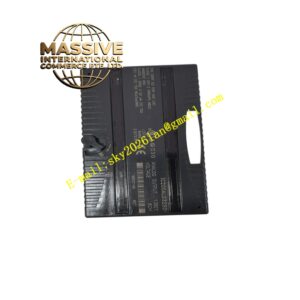
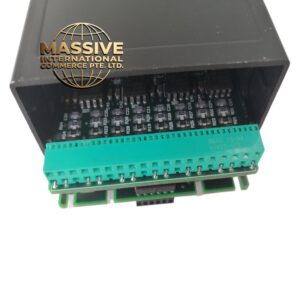
GE IC693MDL940 Technical Specifications:
- Output Type: Form C (SPDT) Electromechanical Relays.
- Points: 16 independent relay outputs.
- Contact Rating: Typically 2 A resistive at 250 VAC or 30 VDC.
- Voltage Range: Switches 5-30 VDC and 5-250 VAC.
- Mechanical Life: Millions of operations; electrical life varies by load.
Functional Features:
- AC/DC Switching: Universal compatibility with AC and DC field devices.
- Galvanic Isolation: Complete electrical isolation between PLC logic and field circuits.
- No Leakage Current: True mechanical break in the OFF state.
- Status LEDs: Visual indication of relay coil energization.
Application Scenarios:
- Controlling AC motors, contactors, and solenoids.
- Interfacing 24VDC PLCs with 120VAC or 230VAC field equipment.
- Applications requiring zero leakage in the OFF state.
Material Composition & Structural Characteristics:
- Relays: High-quality industrial relays with silver-alloy contacts.
- Arc Suppression: Internal RC snubbers or varistors to protect contacts from inductive loads.
- Enclosure: Standard Series 90-30 housing.
Working Principle: The PLC energizes an internal coil, creating a magnetic field that mechanically closes or opens the relay contacts. This physically connects or disconnects the field load from its power source.
Installation Requirements:
- Connect common terminals to the appropriate AC or DC power source.
- Wire loads to the normally open (NO) or normally closed (NC) contacts as required.
Usage Precautions:
- Inductive Loads: Always use external snubbers for AC inductive loads to prevent contact arcing.
- Switching Frequency: Do not use for high-frequency PWM or rapid cycling applications; use solid-state modules instead.
- Contact Welding: Ensure load inrush currents do not exceed relay specifications to prevent contact welding.