


Description
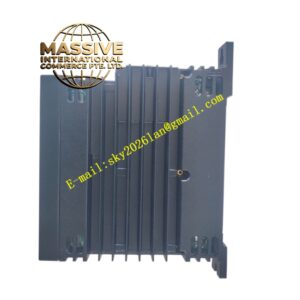
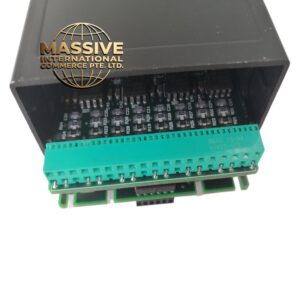
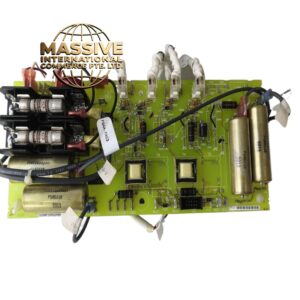
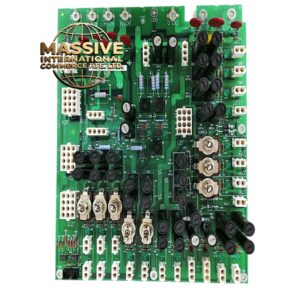
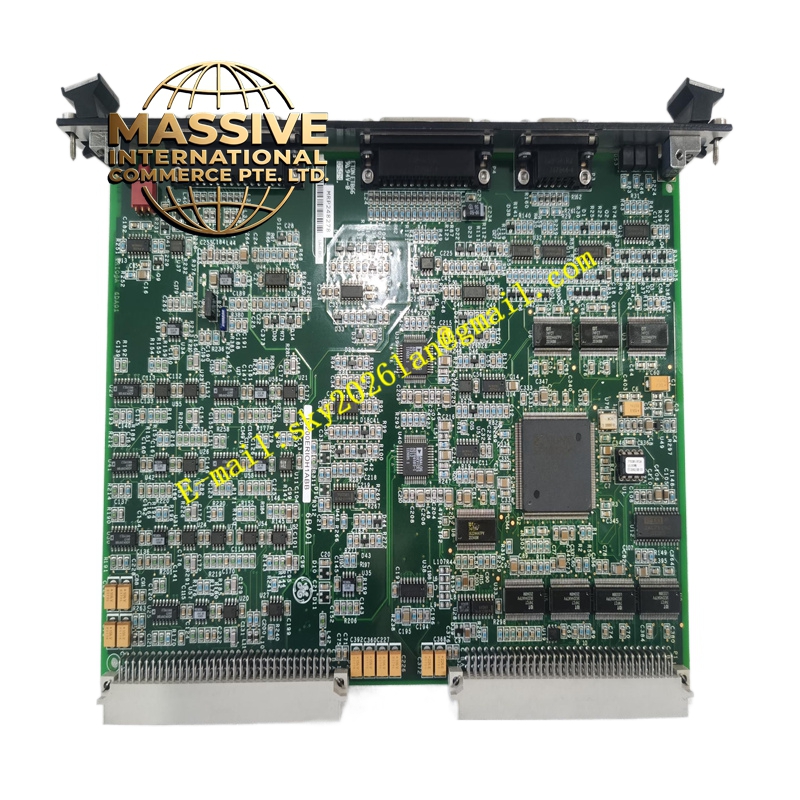
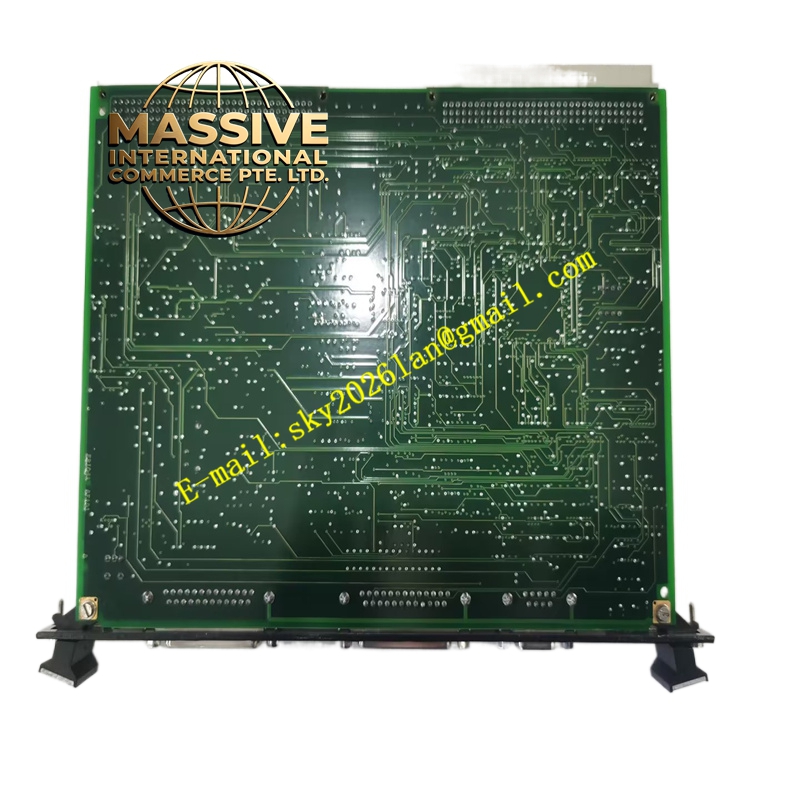
GE IS200ERIOH1ABB
- Technical Specifications:
- Series: GE Mark VI/Mark VIe
- Power Supply: 24 VDC
- Input Voltage Range: 0–30 VDC (positive/negative logic)
- Digital Input Points: Up to 16 configurable inputs
- Output Points: Up to 16 relay outputs with maximum load current of 2 A
- Module Dimensions: Approximately 13.39 in × 8.5 in × 2.17 in
- Weight: Approximately 2.2 lb (~1 kg)
- Power Consumption: Approximately 10 W
- Operating Temperature Range: -40 °C to +85 °C
- Protection Rating: IP65 (with proper enclosure)
- Functional Characteristics:
- Supports a mix of digital and analog I/O for flexible system design
- Provides high-precision 16-bit data acquisition for accurate measurements
- Includes diagnostic functions to detect and report faults
- RS-485 communication interface for remote monitoring and control
- DIN rail mounting capability simplifies installation in control cabinets
- Application Scenarios:
- Gas and steam turbine control requiring distributed I/O
- Industrial automation systems where remote I/O is advantageous
- Power generation facilities with extensive field instrumentation
- Process control environments demanding reliable I/O interfacing
- Performance Parameters:
- High accuracy and low noise for precise signal measurement and control
- Fast response to input changes and control commands
- Robust performance across a wide temperature range
- Material and Structural Characteristics:
- Aluminum housing with corrosion-resistant finish
- Industrial-grade PCB and components for durability
- Screw-terminal connections for reliable field wiring
- Integrated heatsinking for thermal management
- Working Principle:
- Receives control commands via communication interface from the main controller
- Reads field inputs, conditions the signals, and transmits data to the controller
- Drives outputs based on control logic to activate or deactivate field devices
- Monitors internal health and reports diagnostic information
- Installation Requirements:
- Mount on DIN rail or panel in a suitable enclosure
- Ensure adequate clearance for wiring and ventilation
- Connect power and I/O wiring according to system diagrams
- Configure communication parameters to match system settings
- Usage Notes:
- Verify wiring polarity and voltage levels before powering up
- Regularly check terminal tightness and clean contacts as needed
- Use appropriate cable types and shielding to reduce electrical noise
- Follow recommended maintenance intervals to ensure long-term reliability