


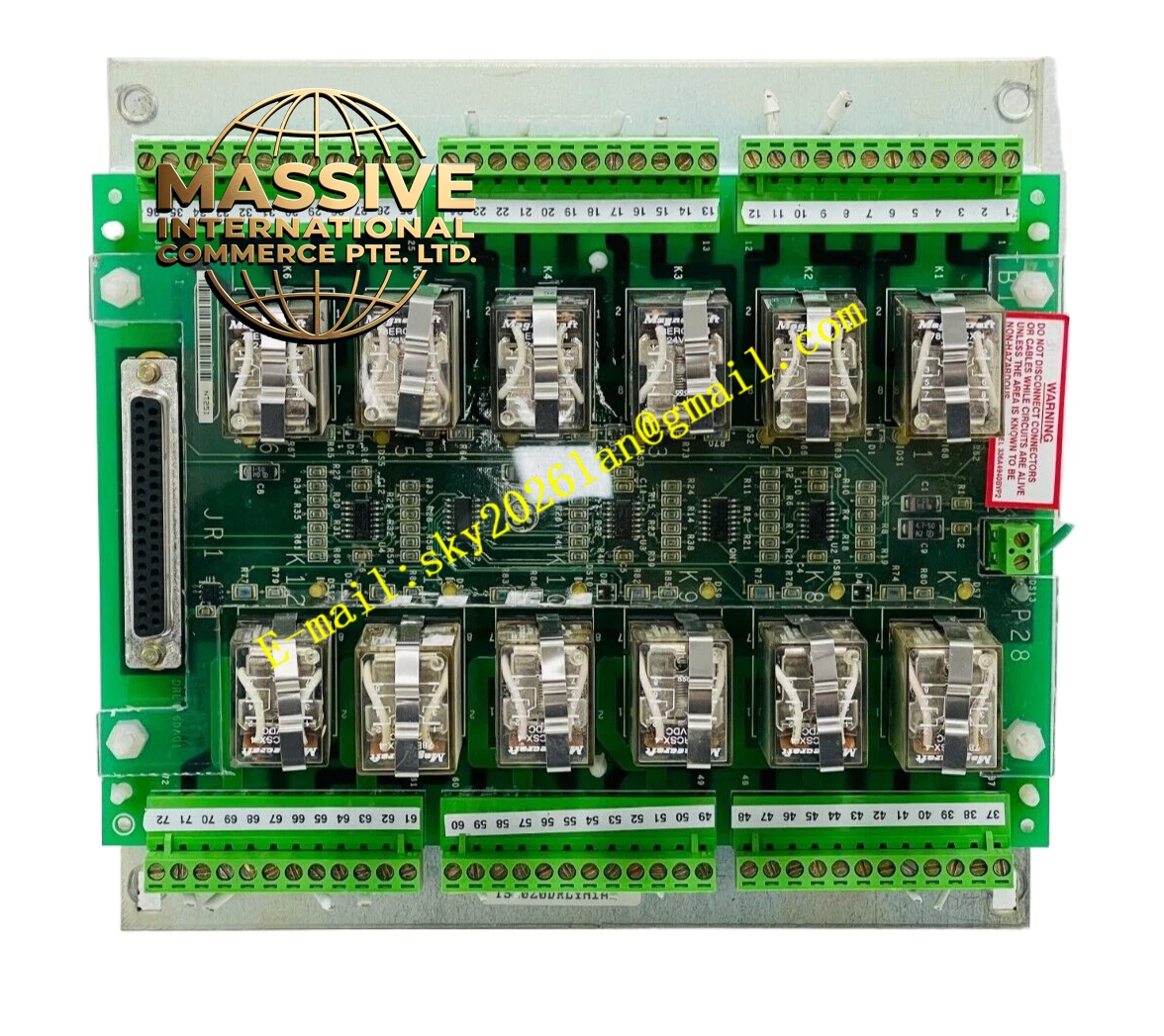
Description
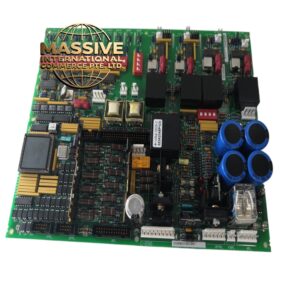
GE IS230TCISH7C
Technical Specifications:
- Brand: General Electric (GE)
- Model: IS230TCISH7C
- Product Type: RST Analog I/O Board (TCQA)
- System Compatibility: GE Mark V Gas Turbine Control Systems
Functional Features:
- Comprehensive Signal Scaling: Accurately scales and conditions 4-20 mA inputs, LVDT position signals, thermocouples, and vibration inputs.
- High-Precision Output: Generates precise analog outputs for servo valve control and actuator positioning.
- System Integration: Seamlessly communicates with STCA and TCQC boards via internal data buses to coordinate turbine control logic.
Application Scenarios:
Exclusively utilized in gas turbine control systems for monitoring critical parameters such as fuel flow, compressor stall detection, and generator line signals.
Performance Parameters:
- Signal Accuracy: High-resolution analog-to-digital and digital-to-analog conversion.
- Processing Speed: Real-time signal conditioning to support closed-loop control.
Material Composition:
Manufactured with high-reliability electronic components and treated with conformal coating to protect against moisture, dust, and corrosive industrial atmospheres.
Structural Characteristics:
Standard turbine control board form factor featuring multiple high-density connectors (including 3PL, JE, JB) for seamless integration into the I/O core rack.
Working Principle:
Acquires raw analog signals from field sensors via terminal boards, applies hardware-based scaling and filtering, and routes the conditioned digital data to the core processor while executing precise analog output commands.
Installation Requirements:
Install in designated I/O core slots (R1, R2, or R3). Ensure all ribbon cables and backplane connections are fully seated and locked before applying power.
Usage Precautions:
Strictly adhere to ESD protocols. Verify hardware jumper settings (J1, J2, J5, J6) match the specific application requirements before commissioning.