


Description
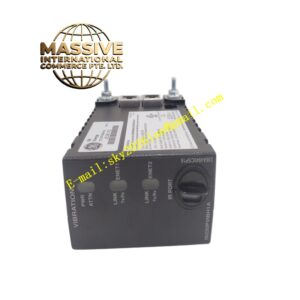
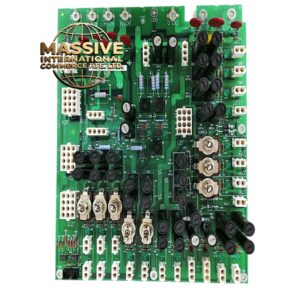
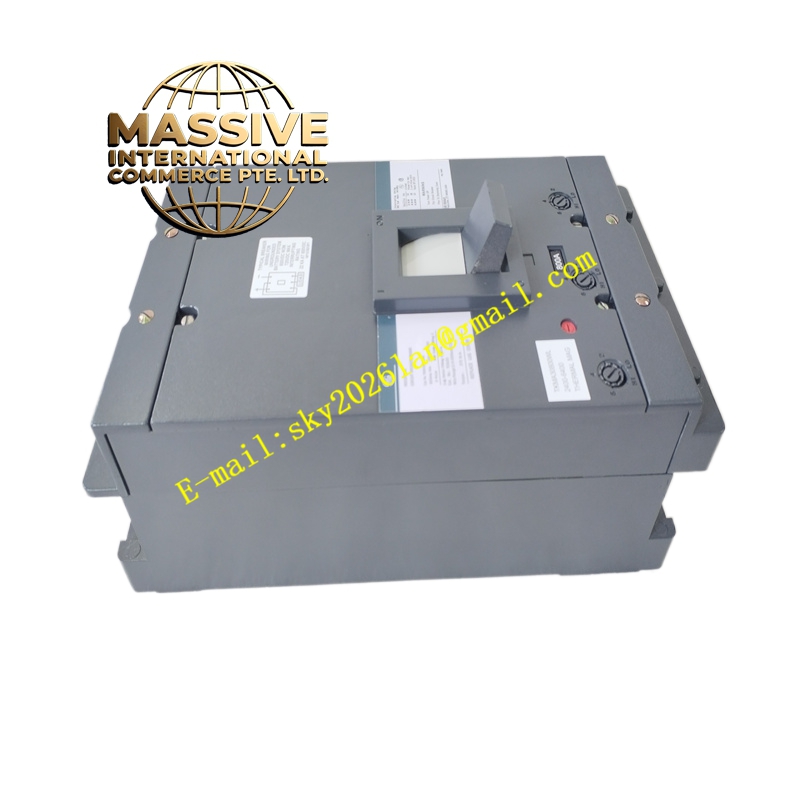
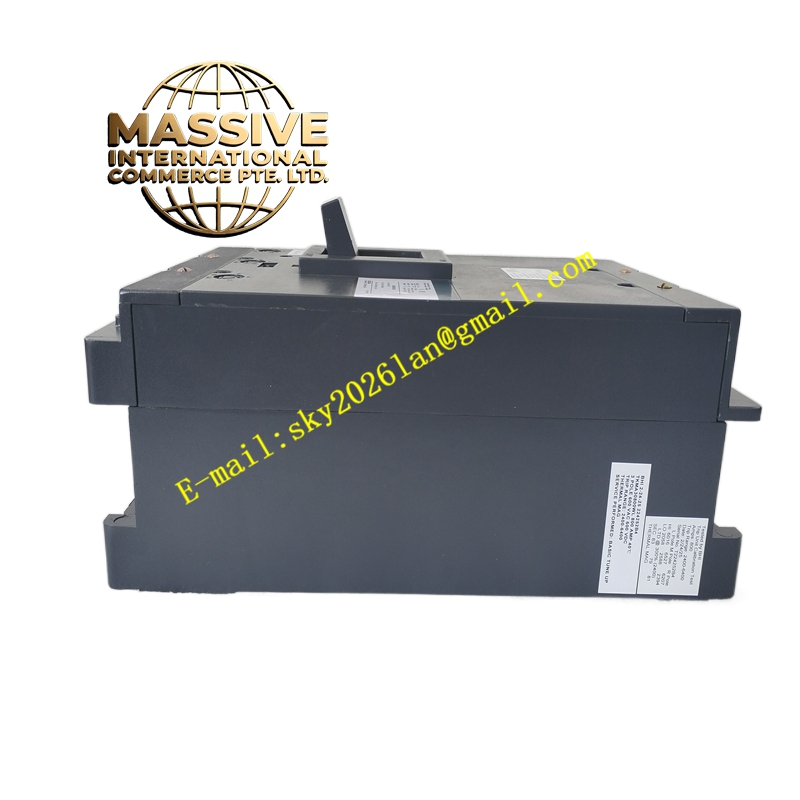
GE TKMA30800WL
Technical Specifications:
- Type: Torque-limiting safety coupling (ball-detent or spring-loaded principle)
- Rated Torque: Configurable per application (30,800 series rating)
- Function System: WL variant (load-holding/full-disengagement per configuration)
- Temperature Range: -30 °C to +100 °C (typical for safety couplings)
- Material: Hardened steel safety system; stainless steel bellows (where applicable)
- Bore Diameter: Per shaft interface requirements
- Re-engagement: Automatic or manual depending on function system
Functional Features:
- Instantaneous disengagement when torque exceeds preset limit, protecting drive components
- Ball-detent or spring-loaded principle provides precise and repeatable torque limiting
- Available function systems: single-position automatic re-engagement, multi-position re-engagement, load-holding, or full-disengagement manual re-engagement
- Torsionally stiff design (where bellows or elastomer coupling is integrated) for accurate torque transmission
- ATEX certification available for hazardous zone applications (zones 1/21 and 2/22)
- Wear-free operation as long as technical limits are not exceeded
Application Scenarios:
- Wind turbine high-speed shaft coupling between gearbox and generator
- Industrial drive trains requiring overload protection
- Servo and stepper motor drives protecting against jam or stall
- Pump and compressor drives in process industries
- Test stand and dynamometer applications
Performance Parameters:
- Fast response time (typically sub-millisecond) to torque overload events
- Precise and repeatable disengagement torque
- High torsional stiffness for accurate torque transmission
- Long service life under normal operating conditions
Material and Structural Characteristics:
- Hardened steel safety system components for durability
- Stainless steel bellows (where integrated) for corrosion resistance and torsional stiffness
- Aluminum clamping hubs (smaller sizes) or steel hubs (larger sizes)
- Cylindrical spacer design with flanges for shaft-to-shaft connection
Working Principle: The coupling transmits torque between two shafts through a spring-loaded ball-detent or friction mechanism. When transmitted torque exceeds the preset limit, the balls disengage from their detents (or the friction faces slip), interrupting torque transmission within milliseconds. Depending on the function system, the coupling re-engages automatically at a defined position, holds the load, or requires manual re-engagement after the overload condition is cleared. Installation Requirements:
- Mount between the driving and driven shafts using the specified bore and keyway or clamping hub interface
- Set the disengagement torque to the application-required value using adjustment nuts or spring preload
- Ensure shaft alignment within specified tolerances to avoid premature disengagement
- Verify rotation direction and re-engagement behavior before full-load operation
Usage Notes:
- Set the torque limit to approximately 1.3–1.5 times the nominal operating torque of the application
- Periodically verify disengagement torque using a torque test fixture
- Inspect the detent surfaces and springs for wear after overload events
- For hazardous area installations, verify ATEX certification and installation requirements
- Replace the coupling if disengagement torque drifts beyond acceptable tolerance