


Description
GE VME162PA-344SE-2G Technical Specifications:
- Processor Architecture: Based on Motorola 68040 or 68030 series microprocessors.
- Bus Standard: Fully compliant with VMEbus standards for seamless backplane integration.
- Memory Capacity: Supports high-capacity DRAM, SRAM, and EPROM/Flash memory for program and data storage.
- Communication Interfaces: Multiple serial ports (RS232/RS485), parallel ports, and Ethernet interfaces.
- OS Compatibility: Supports real-time operating systems (RTOS) including VxWorks and OS-9.
- Power Supply: Operates on standard industrial DC power (e.g., 18.5 to 36 VDC).
Functional Features:
- High-Speed Processing: Delivers strong real-time computational capabilities for complex control algorithms and data acquisition.
- Extensive I/O Support: Handles multiple types of digital and analog I/O modules for flexible system expansion.
- Network Security: Supports advanced cybersecurity features (CyberSentry), including password complexity, AAA server support (RADIUS), and Role-Based Access Control (RBAC).
- Data Recording: Features extended oscillography and event recording compliant with IEEE C37.111 and IEC 60255-24 COMTRADE standards.
- Protocol Support: Compatible with IEC 61850 HardFiber process bus solutions for optimized substation automation.
Application Scenarios:
- Central controller for power plant automation, protection relays, and grid monitoring.
- Real-time control and data acquisition in railway signaling and transportation systems.
- Embedded computing for defense, aerospace, and radar signal processing.
- Industrial process control and manufacturing execution systems.
Performance Parameters:
- Processing Speed: High-frequency clock speeds optimized for deterministic RTOS task scheduling.
- Data Throughput: High-bandwidth VME backplane interface for rapid data exchange with I/O subsystems.
- Environmental Tolerance: Designed to operate in extreme temperatures ranging from -40°C to +80°C with up to 95% relative humidity.
- Reliability: Industrial-grade components ensuring high Mean Time Between Failures (MTBF) in continuous operation.
Material Composition & Structural Characteristics:
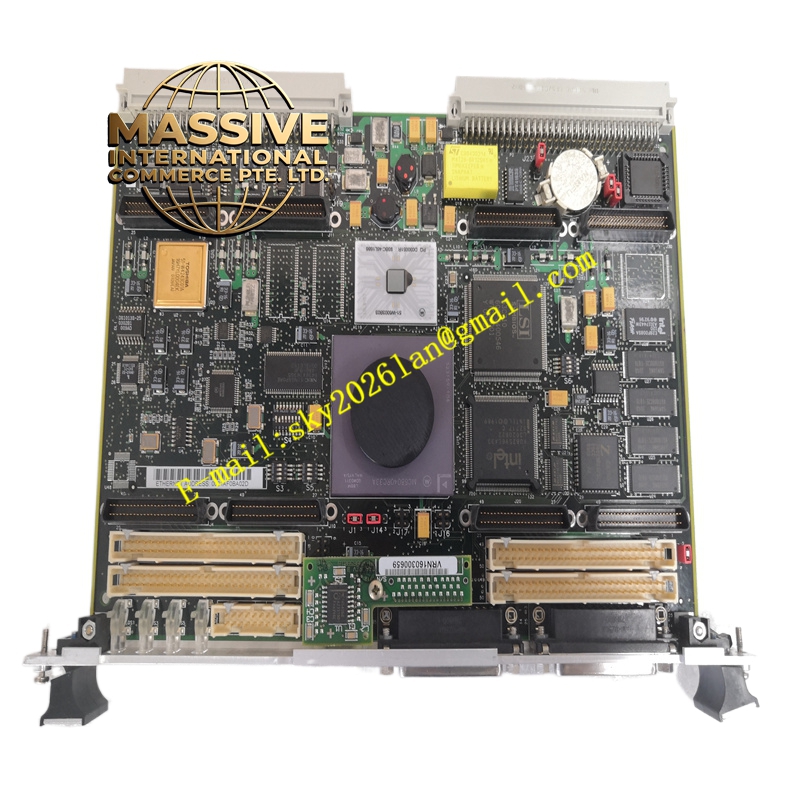
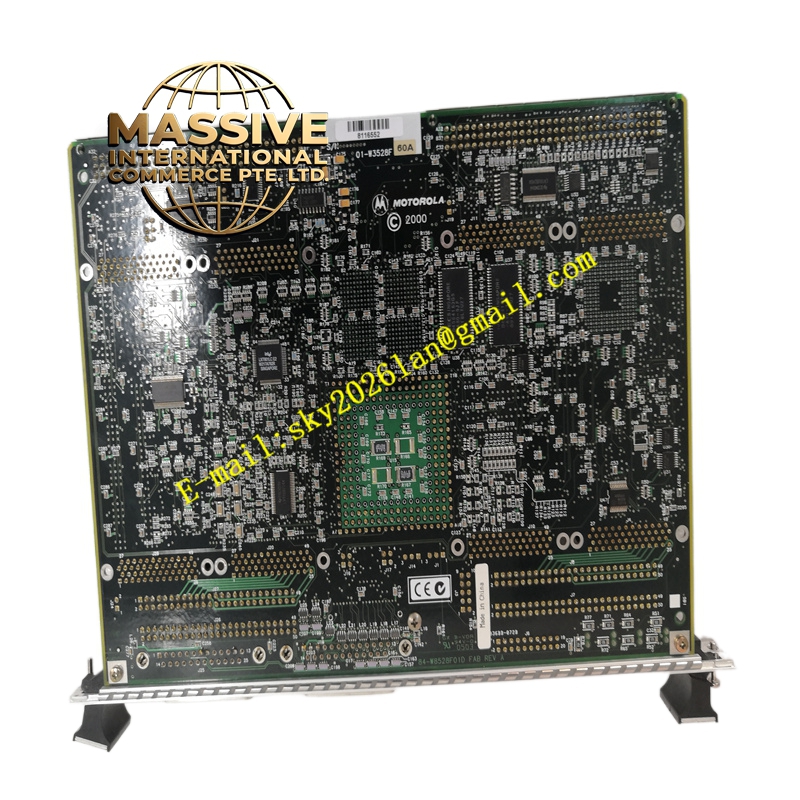
- Form Factor: Standard 6U VME Eurocard form factor.
- PCB Assembly: Multi-layer printed circuit board with high-density surface-mount technology.
- Connectors: Dual VME backplane connectors (P1/P2) and front-panel I/O ports (Ethernet, Serial).
- Mechanical Design: Ruggedized metal frame and extraction levers designed to withstand high-vibration industrial environments.
Working Principle: The VME162PA-344SE-2G boots its real-time operating system from onboard Flash memory upon power-up. The CPU executes control logic, communicates with field I/O modules via the VME backplane, and processes incoming sensor data. It manages network communications, executes protection algorithms, and logs event data. The board continuously monitors its internal health and communicates status to the host system or SCADA network via Ethernet or serial links.
Installation Requirements:
- Backplane Compatibility: Must be installed in a standard VME64 or VME32 backplane with appropriate J1/J2 connector pinouts.
- Cooling: Ensure forced-air cooling is directed properly across the board’s surface to maintain safe operating temperatures.
- Address Configuration: Set the logical address and interrupt levels via hardware jumpers or software before system integration.
- Firmware: Verify that the installed firmware version matches the system’s software database and cybersecurity requirements.
Usage Precautions:
- Cybersecurity: Implement required CyberSentry security protocols, including secure firmware upgrades and access control, to comply with NERC CIP standards.
- Static Sensitivity: Handle the board with strict ESD precautions to prevent damage to the sensitive Motorola microprocessor and memory chips.
- Bus Termination: Ensure proper VMEbus termination at the physical ends of the backplane to prevent signal integrity issues.
- Legacy Support: As this module utilizes older Motorola architecture, ensure spare parts availability and verify compatibility with modern network infrastructure before deployment.