


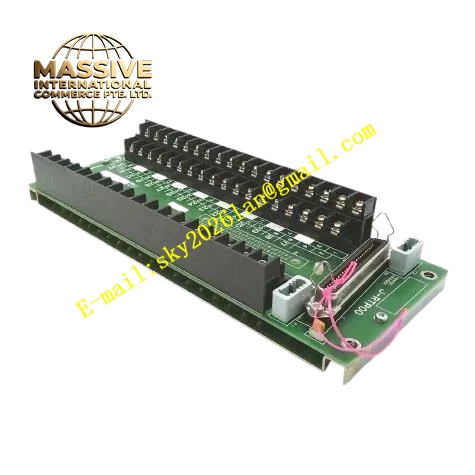
Description
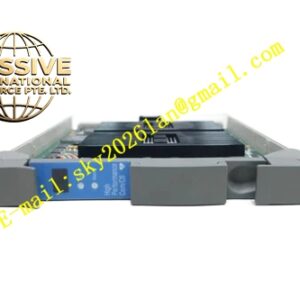
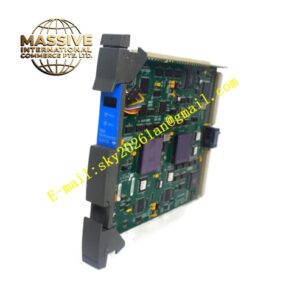
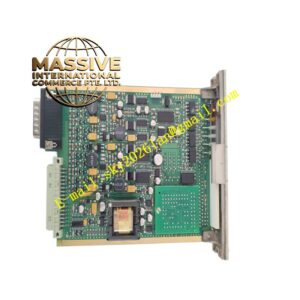
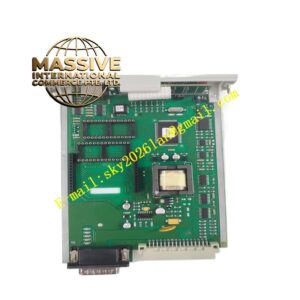
Honeywell 82408667-001
Technical Specifications
- Continuous current rating: 10 A
- Ground terminal count: 12 M4 screw connection positions
- Isolation withstand voltage: 1500 VAC
- Conduction resistance: ≤5 mΩ
- Mounting: Insulated fixation to inner cabinet wall
- Operating temperature: -20 °C to +70 °C
- Surge discharge capacity: 10 kA (8/20 μs waveform)
Functional Features Tin-plated copper bus bar provides low-resistance grounding connection. Epoxy insulation mounting plate fully separates the copper bus from the metal cabinet frame, implementing true single-point grounding. Metal oxide varistor connected between signal ground and protective ground, high-impedance during normal operation, conducts instantly during lightning surges to divert current to ground. Zoned layout separates signal ground, shielding ground and protective ground positions, prevents cross-interference between different grounding circuits. Every ground position includes a lock washer, cables remain tight under long-term vibration. Dedicated main ground position for connection to the plant ground grid.
Application Scenarios DCS cabinet instrument signal grounding system Anti-interference grounding retrofits for analog measurement loops Lightning surge protection ground path Old cabinet grounding chaos and signal drift problem correction
Performance Parameters
- Bus bar cross section: 25 mm × 3 mm
- MOV turn-on voltage: 470 V
- Insulation resistance: ≥1000 MΩ
- Response time: ≤1 ns
- Contact resistance: ≤5 mΩ
Material Composition Tin-plated copper ground bus bar Epoxy flame retardant insulation mounting plate Zinc oxide MOV Stainless steel M4 connection screws and spring washers Flame retardant nylon wire identification labels Powder-coated cold rolled steel mounting bracket
Structural Features Long copper bus bar fixed to the epoxy insulation plate. 12 screw positions zoned by grounding type. Large dedicated main ground terminal at one end, connected to plant ground grid. Insulation plate mounted to cabinet wall, the copper bus remains fully isolated from the metal frame. Silk-screen labeling identifies each grounding zone.
Working Principle All cabinet ground connections, including metal enclosure, instrument cable shields, and power supply ground terminals, terminate to the copper bus bar. The bus bar connects to the plant ground grid via a single point. The MOV between signal ground and protective ground stays high-resistance during normal operation, blocking ground loop current flow. During lightning or switching surge events, the MOV conducts instantly, diverting surge current to ground through the low-resistance copper bus, protecting sensitive electronic components.
Installation Requirements Maintain full electrical isolation between the copper bus and cabinet metal frame, no accidental contact. Use minimum 6 mm² yellow-green ground wire for main connection to the plant ground grid. Add spring lock washers under every ground terminal, prevent loosening from vibration. Route different grounding circuits in separate zones, do not mix connections on a single screw. Test ground resistance after installation, confirm value ≤0.1 Ω. Test MOV turn-on voltage on site, confirm no breakdown or aging.
Usage Notes Never directly mount the copper bus against the cabinet frame, this creates multi-point grounding and introduces ground loop interference. Aged MOV breakdown connects signal ground directly to protective ground; replace MOV periodically. Check terminal screw tightness annually, loose connections cause elevated ground resistance and protection failure. Sand oxidation on copper bus surface without damaging the tin plating layer.