


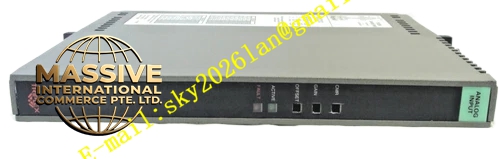
Description
ICS Triplex T8110
Technical Specifications & Performance Parameters:
- Power Supply: 20 V DC ~ 32 V DC, dual redundant backplane power feeding, nominal 24 V DC
- Processor Clock Frequency: 100 MHz triple parallel processors
- Memory Configuration: 16 MB EDO DRAM, 512 KB EPROM, 2 MB Flash memory, 128 KB NVRAM
- Maximum Power Consumption: 80 W
- Operating Temperature: ‑40 °C ~ +70 °C
- Storage Temperature: ‑40 °C ~ +85 °C
- Safety Certification: TÜV IEC 61508 SIL 3
- Programming Standard: IEC 61131‑3 full language support
- Communication Interfaces: Front‑panel RS‑232 diagnostic port, RS‑422/RS‑485 serial channels, system internal inter‑module bus
- Weight: 1.22 kg
- Mechanical Dimension: Standard 3U rack slot form factor
Functional Features:
- Hardware‑implemented fault‑tolerant (HIFT) TMR architecture, three independent processing channels run synchronously with hardware majority voting
- Complete real‑time self‑diagnosis for internal circuits, memory, bus and power supply
- Hot‑swap support; module replacement does not require program re‑download, no system shutdown
- Time‑stamped fault historian records fault events and sequence‑of‑events (SOE) data
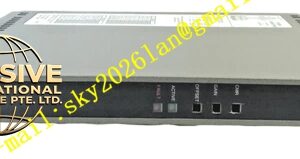
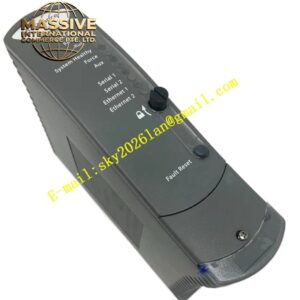
- Front‑panel LED status indicators display module health, run status and fault alarms
- Active/standby processor fault relay contact output for external alarm interlock
- Automatic fault isolation, no spurious alarm triggered by single‑point failure
- Supports system time synchronization function
Working Principle: Three identical processor channels receive the same input data simultaneously and execute control logic in parallel. Hardware voting circuit compares output results of three channels. Output adopts 3‑2‑0 mode: when one channel fails, the other two healthy channels continue valid operation; when two channels fail, the module enters safe fail‑state. Built‑in diagnostic circuits continuously test every hardware circuit during runtime, and push fault information to system historian through inter‑module bus.
Material Composition & Structural Characteristics:
- Main housing: High‑strength industrial‑grade die‑cast aluminum alloy with anti‑corrosion surface coating
- Internal circuit board: Multi‑layer FR‑4 high‑temperature resistant printed circuit board, industrial‑grade soldering process
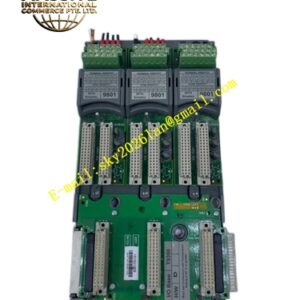
- Backplane connector: Gold‑plated high‑density industrial connector for anti‑oxidation and stable signal transmission
- Front panel: Flame‑retardant engineering plastic with embedded LED indicator array and serial port socket
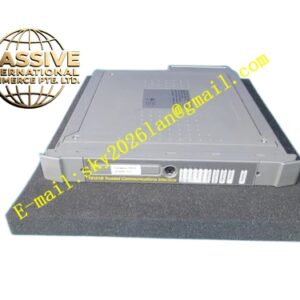
- Overall plug‑in card‑type structure, designed for slot installation in Trusted series rack chassis, protection grade IP20
Installation Requirements:
- Install into designated CPU slot of Trusted T8400 series rack chassis, lock the front‑panel fixing screws
- Rack working environment requires ventilation and heat dissipation, avoid direct sunlight, dust accumulation and corrosive gas
- Power input must use redundant 24 V DC industrial power supply, voltage must stay within 20‑32 V DC range
- Keep grounding resistance of the whole rack less than 4 Ω to suppress electromagnetic interference
- Maintain minimum 20 mm clearance between adjacent modules for air convection cooling
- All communication cables must adopt shielded industrial cables, and shielding layer single‑end grounded
Application Scenarios:
- Emergency Shutdown System (ESD) for petrochemical plants, refineries
- Fire and gas safety monitoring system for offshore oil‑gas platforms
- Safety interlock protection for thermal power generation plants
- Critical safety instrumented control for LNG storage and transportation facilities
- Safety control for pharmaceutical fine chemical production process
Usage Notes:
- Only hot‑swap under normal running status of the system; do not plug‑in or pull‑out during power‑on fault burst
- Do not open the module housing; internal circuit components have no user‑serviceable parts
- Avoid mechanical impact, vibration and heavy extrusion during transportation and installation
- Strictly operate within specified temperature range; high temperature will shorten service life and trigger false fault diagnosis
- NVRAM stores configuration and event data; avoid long‑term complete power loss of the rack
- Conduct complete function verification after module replacement before putting into formal operation