


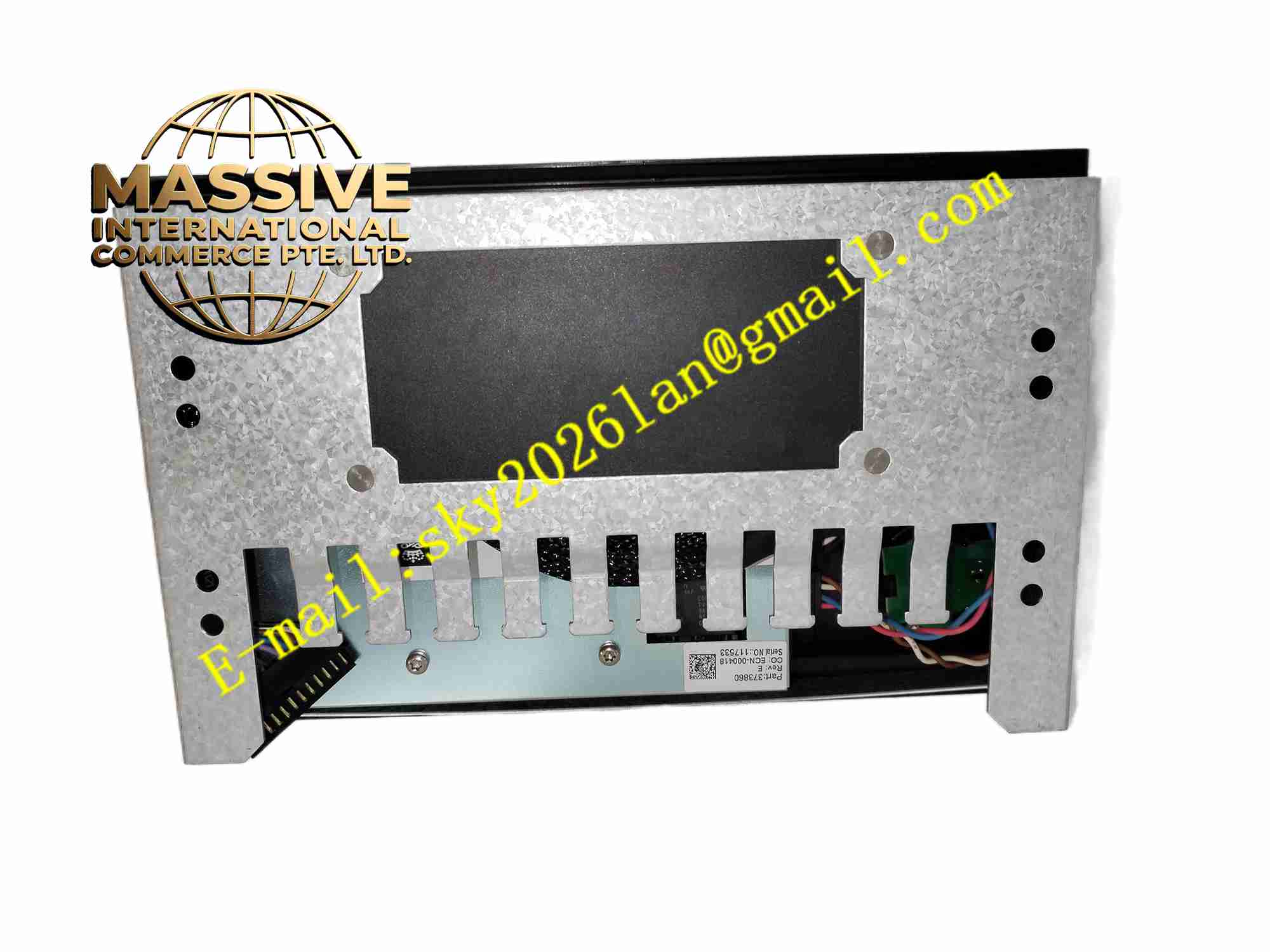
Description
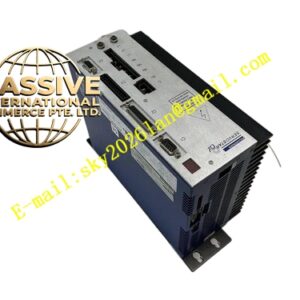
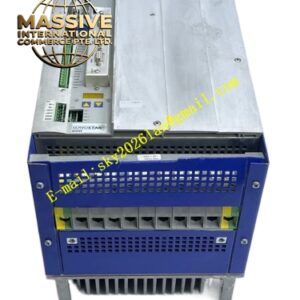
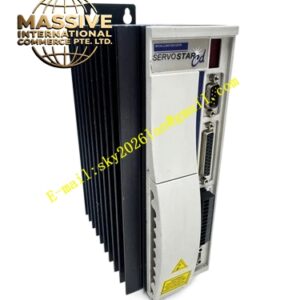
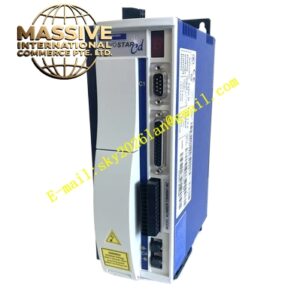
KONGSBERG WCC600
Technical Specifications: Power supply: 24VDC nominal input Processor: High-reliability industrial processor for deterministic control Communication protocols: Profibus, Modbus TCP, Kongsberg proprietary field bus Operating temperature: 0℃ to +60℃ Storage temperature: -20℃ to +70℃ Relative humidity: 5% to 95%, non-condensing Protection class: IP20 for module, installed inside certified control cabinet Certifications: DNV, ATEX, IEC 61508 SIL capable Mounting: 19-inch rack mount Control cycle: Configurable fast cycle for pressure closed-loop regulation
Functional Features: Closed-loop automatic control for well choke valves to stabilize wellhead pressure and flow rate. Real-time acquisition of wellhead pressure, casing pressure, temperature and flow signals. Programmable well safety interlock logic for kick detection and blowout prevention related auxiliary control. Redundant hot standby operation to maintain continuous control during single hardware failure. Built-in data logging for well operation parameters and event sequence recording. Multiple communication interfaces to connect operator HMI, remote I/O and upper-level supervisory system. Hardware fault self-diagnosis for processor, memory, power and communication channels. Alarm generation and status upload for process deviation and hardware anomalies.
Application Scenarios: Offshore drilling rig well control system, offshore platform production well monitoring and control, subsea surface control unit auxiliary control, onshore high-pressure well site control, oil and gas well kick monitoring, choke manifold automatic regulation.
Performance Parameters: Deterministic control cycle down to 100ms. High resolution analog signal processing for pressure transmitters. Continuous 24/7 operation in marine industrial environment. Fault tolerance design for single point failure in redundant architecture. High immunity to marine electromagnetic interference.
Material Composition: FR4 high-reliability industrial printed circuit board. Industrial-grade processor, memory and flash storage chips. Galvanic isolation signal transceivers for field bus. Flame retardant coated metal chassis. Gold-plated backplane connectors and screw terminal blocks. EMI shielding metal housing components.
Structural Features: 19-inch rack mount pluggable unit. Front panel equipped with LED indicators for power, run, fault and communication status. Rear panel provides power terminals, field bus ports and I/O expansion interfaces. Internal layout separates high-speed control circuit and field signal circuit. Modular construction allows individual component replacement. Shielded internal compartment design to resist marine EMC interference.
Working Principle: 24VDC power energizes the processor and peripheral circuits. Analog and digital signals from well site transmitters and valve position feedback modules enter the controller. The onboard processor executes well control algorithm and choke valve closed-loop calculation according to configured setpoints. Control commands are sent to choke valve actuators via field bus. The controller continuously monitors process variables, triggers pre-programmed interlock actions when parameters exceed safety thresholds. All operating data and fault events are saved in onboard memory and transmitted to HMI and supervisory system. Redundant pair synchronizes real-time data, standby unit takes over control immediately once primary unit fails.
Installation Requirements: Install the unit inside IP20 or higher rated marine control cabinet. Use shielded twisted pair cables for analog signals and field bus communication. Separate low voltage signal cables and high-power power cables in different cable trays. Complete protective earth bonding for cabinet and controller chassis following marine installation standard. Tighten terminal screws to specified torque value. Maintain cabinet ambient temperature within rated operating range. Configure redundant network topology for dual controller setup.
Usage Notes: Only use original Kongsberg certified spare parts for replacement. Validate well control logic and interlock function after configuration change or module replacement. Backup configuration database and event logs before firmware upgrade. Cut off power supply before disconnecting wiring terminals. Carry out periodic function test as per offshore asset maintenance schedule. Prevent condensation inside cabinet by installing heating or dehumidification device for offshore environment.