


Description
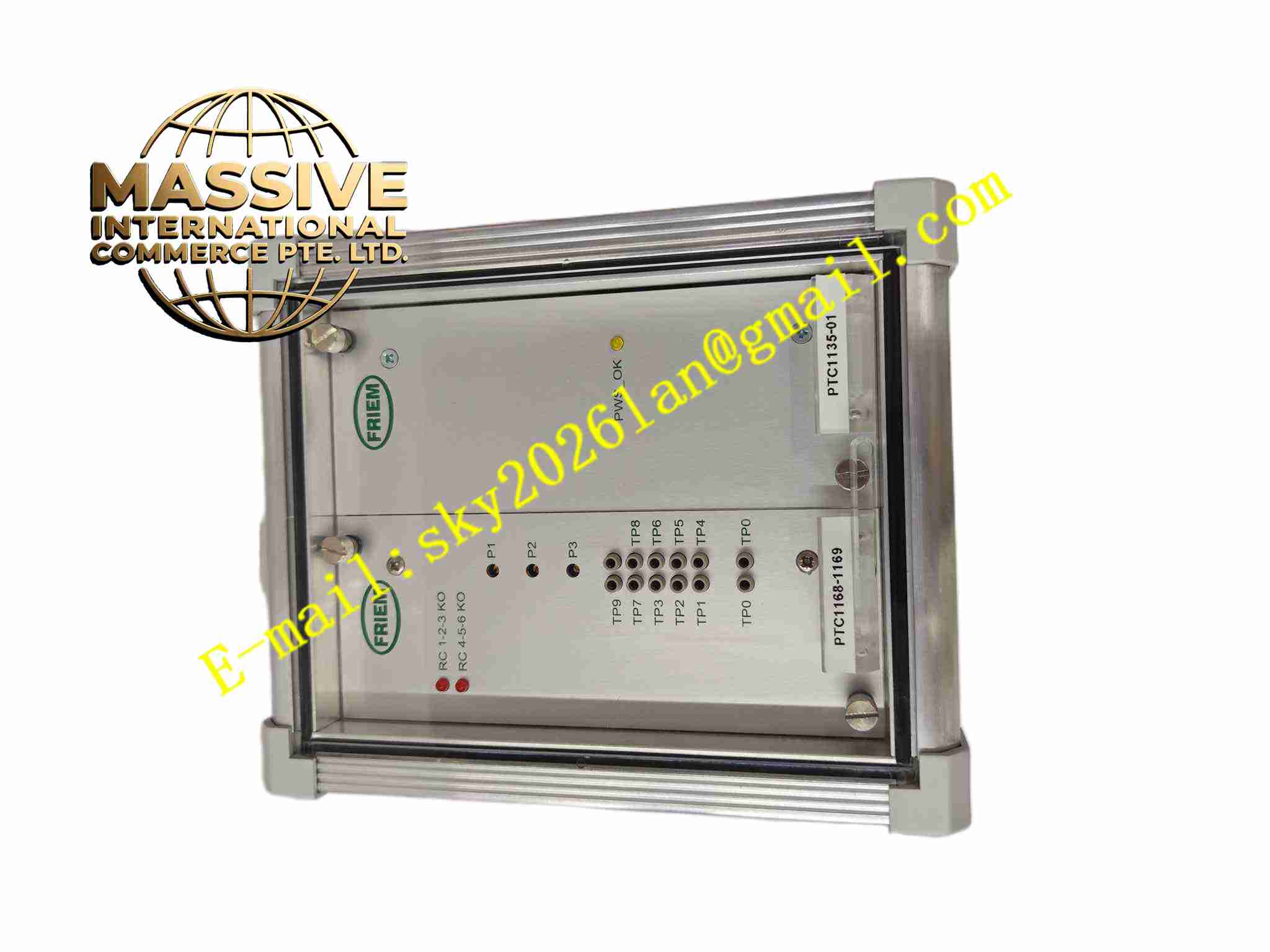
Microelettrica Scientifica PTC1177
Technical Specifications
- Product type: Trip circuit supervision relay
- Monitored: Trip coil, control supply
- Operating voltage: DC220 V / 110 V selectable
- Output: Alarm relay contacts
- Contact rating: AC250 V 5 A
- Monitoring current: mA injection
- Operating temperature: -20 °C to +60 °C
- Storage temperature: -40 °C to +80 °C
- Humidity: 5 % to 95 %, non-condensing
- Protection: IP20
- Installation: DIN rail
- LEDs: Normal, alarm
Functional Features
- Continuous trip coil integrity monitoring
- Control supply voltage monitoring
- Circuit wire-break alarm
- Control supply abnormal alarm
- Front panel LEDs
- Alarm relay output
- No impact on trip circuit operation
- Industrial components
- Power industry standard
- Long-term reliability
Application Scenarios
- Substation breaker trip circuit supervision
- Plant generator outlet breaker
- Breaker control circuit integrity
- Power operating supply supervision
- High voltage switchgear alarm
Materials and Construction
- Housing: Flame-retardant engineering plastic
- PCB: FR4
- Relay: Sealed relay
- Resistors: High-voltage resistors
- Terminals: Screw terminals
- Passive components: Capacitors, diodes
Structural Features
- Narrow DIN rail housing
- Top trip monitoring, supply, alarm terminals
- Front panel LEDs
- Internal injection and monitoring
- Fanless cooling
- 35 mm DIN rail clip
Working Principle The relay is wired in series in the trip circuit. A high-resistance resistor injects mA-level small current without false tripping. With a healthy loop, current flows and the supervision relay pulls in, lighting the normal LED. On loop wire-break, no current flows and the supervision relay drops out, operating the alarm relay. Control supply voltage is monitored simultaneously.
Installation Requirements
- DIN rail mount
- Series in trip circuit
- Control supply connected
- Alarm contacts to alarm system
- Grounding
- Temperature -20 °C to +60 °C
- Simulate wire-break test after power-up
- Correct polarity
Precautions
- Injection current must not cause breaker mis-trip
- Loop resistance matched
- Alarm values set per system
- Periodically simulate wire-break test
- Store spares in dry environment
- Disconnect trip circuit before service