


Description
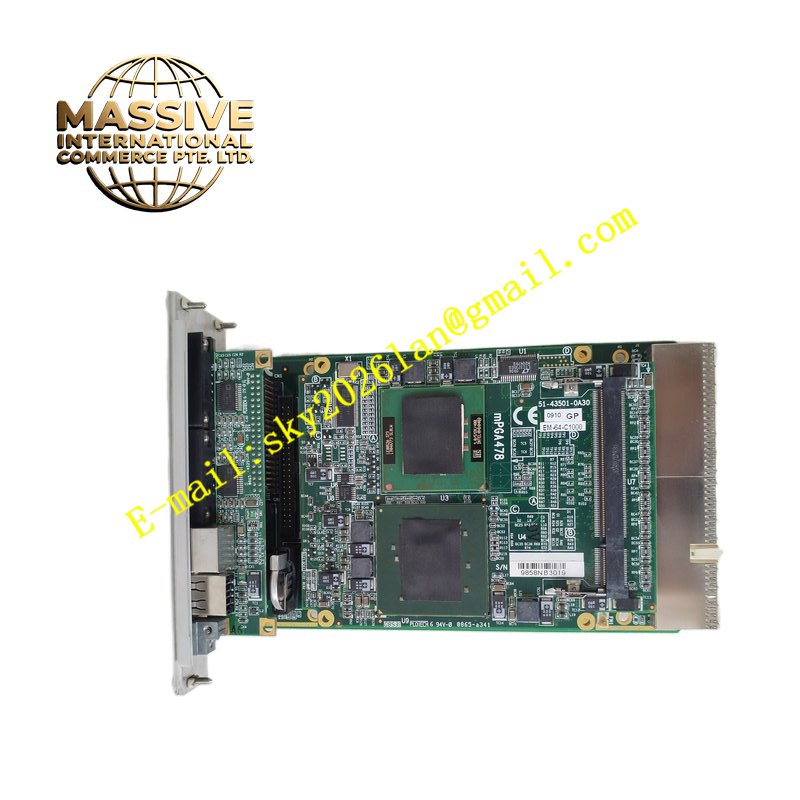
NI CPCI-3840
Technical Specifications Processor: Intel Pentium M, up to 2 MB L2 cache; memory: DDR SDRAM up to 2 GB, ECC optional; chipset Intel 855GME; dual Intel 82546EB Gigabit Ethernet controllers; storage interfaces include IDE, CompactFlash and SATA; rear transition module supports CRT and DVI video output; USB 2.0 ports, RS-232 serial ports; 3U CompactPCI form factor; operating temperature -20 ℃ to +60 ℃.
Functional Features Ruggedized embedded computing for CompactPCI hot-swap capable chassis; supports Windows XP, Windows Embedded and Linux real-time operating systems; dual Gigabit Ethernet for networked distributed measurement; CompactFlash socket for solid-state boot media without rotating hard disk; front panel LED for power and heartbeat status.
Application Scenarios Rugged data acquisition racks, aerospace ground test systems, vehicle-borne industrial measurement, power plant vibration monitoring control racks and industrial vision inspection CompactPCI systems.
Material Composition High-density FR4 multilayer PCB; industrial-grade Intel processor and memory chips; gold-plated CompactPCI backplane edge connectors; front panel aluminum alloy faceplate; rear transition module mating connectors.
Structural Characteristics 3U height CompactPCI card; front panel carries status LEDs and service connectors; rear edge connector routes video, storage and peripheral signals to rear transition RTM board; internal board layout separates analog reference circuits and high-speed digital bus traces.
Working Principle After power-up, the board boots operating system from CompactFlash or SATA storage. It communicates with other CompactPCI I/O modules over the CompactPCI parallel bus, acquires measurement data and streams data to host software. Dual Ethernet ports transmit measurement results to supervisory host computers.
Installation Requirements Insert card into powered-off CompactPCI chassis slot; follow chassis pin assignment and RTM cable specification; use shielded Ethernet cables for high-bandwidth data streaming; ensure chassis forced air cooling meets thermal requirement.
Operation Notes Do not hot-swap the board unless chassis supports hot-swap backplane; create disk image backup before system modification; inspect edge connector contacts for contamination in high-dust field sites.