


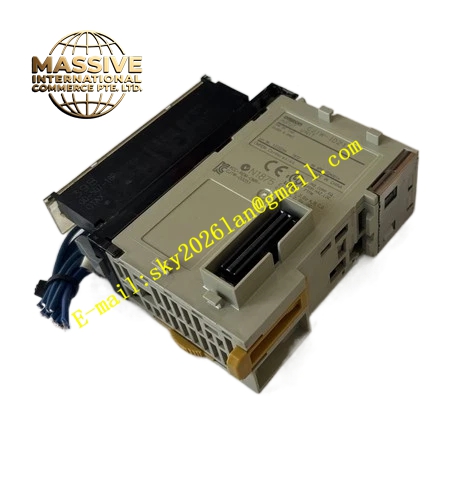
Description
OMRON R88M‑1M75030T
Technical Specifications: Rated output power 750 W; rated torque 2.39 N·m; peak torque 8.3 N·m; rated rotation speed 3000 r/min; maximum rotation speed 4500 r/min; encoder type: batteryless absolute encoder, resolution 23‑bit; power supply matching: single‑phase 230 VAC; flange dimension 80 mm square; shaft diameter 19 mm with shaft tap hole; rotor inertia 0.422 × 10‑4 kg·m²; allowable maximum radial load 392 N; allowable maximum thrust load 147 N; insulation class Class F; operating temperature ‑20‑40°C; storage temperature ‑25‑70°C; weight 2100 g; shaft‑end IP65 protection grade, connector area IP20.
Functional Features: Batteryless absolute encoder eliminates encoder battery maintenance; high‑torque‑density mechanical design reduces motor body volume under 750 W power grade; low torque‑ripple rotor structure ensures stable low‑speed rotation; large peak‑torque capability supports rapid acceleration and deceleration motion; 80‑mm standard flange realizes convenient mechanical mounting; fully compatible with 1S‑series EtherCAT servo drive system.
Application Scenarios: Automated production‑line transfer mechanisms; packaging equipment main driving axis; CNC auxiliary feed axes; material cutting and processing machinery; 750‑W‑grade servo equipment spare‑part replacement.
Performance Parameters: Class‑F insulation guarantees winding long‑term thermal stability; vibration and shock indicators conform to industrial servo motor IEC test standards; maximum allowable load inertia reaches 30 times rotor inertia; supports continuous frequent forward‑reverse cyclic operation.
Material Composition: Aluminum‑alloy 80‑mm mounting flange; cast‑aluminum motor housing; silicon‑steel‑sheet laminated stator core; high‑performance permanent‑magnet rotor assembly; high‑precision heavy‑duty ball bearing groups; batteryless 23‑bit absolute encoder assembly; metal‑shell power and encoder connectors; nickel‑plated output shaft.
Structural Features: Standard 80‑mm square flange mounting structure; single‑end output shaft with tap hole for coupling installation; rear‑side independent power connector and encoder connector layout; compact cylindrical housing; shaft‑end built‑in sealing ring for dust and splash‑water resistance.
Working Principle: Matched servo drive outputs three‑phase variable‑frequency alternating current to motor stator windings to generate rotating magnetic field. Magnetic field interacts with rotor permanent magnet to produce driving torque and rotate output shaft. Rear‑end batteryless absolute encoder captures real‑time angular position and rotation speed data, feeds high‑resolution position signal back to servo drive. Servo drive executes closed‑loop position, speed and current algorithm according to feedback signal to complete precise motion control.
Installation Requirements: Fasten motor flange onto mechanical mounting base using bolts within specified torque range; select appropriate coupling matched with 19 mm shaft diameter; use dedicated shielded servo power cable and encoder feedback cable; separate servo signal wiring from high‑power motor‑drive cables; protect shaft‑end sealing ring from scratch during installation.
Usage Notes: Avoid heavy impact and knocking onto motor output shaft during mechanical assembly; operating torque shall not exceed rated continuous torque and momentary peak‑torque limits; connector region only reaches IP20 grade, prevent liquid and dust invasion; do not deploy in corrosive‑gas environments; regularly inspect cable connection tightness.