


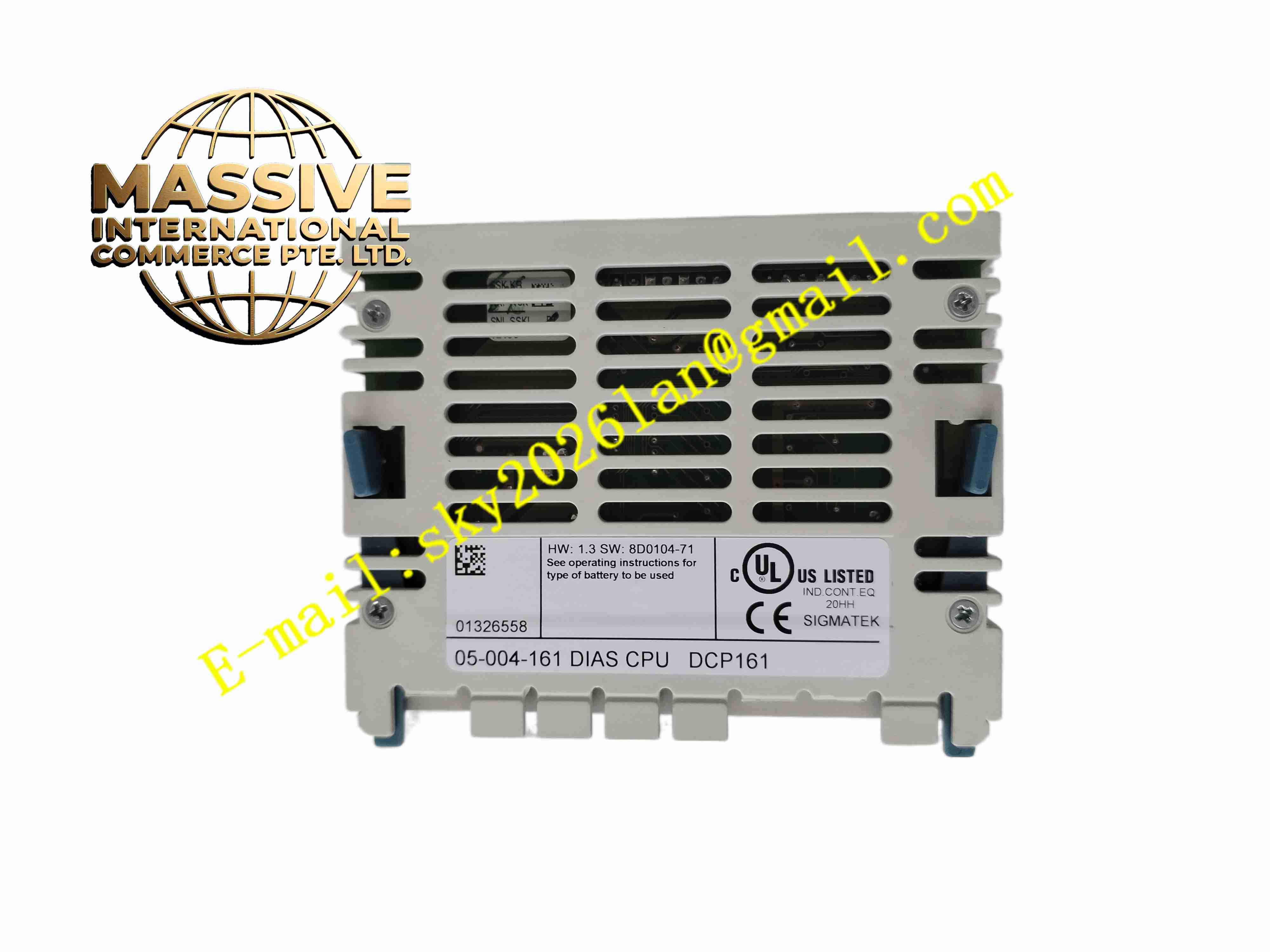
Description
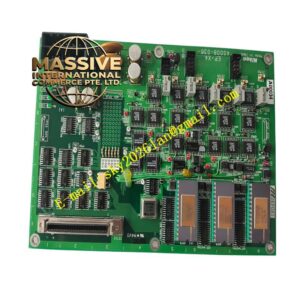
SIGMATEK DCP161
Technical Specifications Processor core Intel 386EX; 40 kByte Flash-PROM for program storage; 112 kByte SRAM program memory, 124 kByte SRAM data memory; real-time clock with lithium battery data retention; interfaces include 1×CAN bus, 1×RS232, 1×configurable RS232/RS422/RS485 port; supports up to 16 connected DIAS I/O modules; status LEDs for run, ROM and fault; 24 V DC backplane power supply.
Functional Features Deterministic cyclic execution of PLC and motion control programs; DIAS backplane bus master communication; battery-backed real-time clock and data memory; CAN bus connection for multi-controller networking; serial communication for parameter exchange with operator panels; hardware watchdog timer for fault reset; online program download and debugging.
Application Scenarios Textile machinery automation, packaging machines, material handling equipment, woodworking CNC machinery, custom OEM machine control systems.
Material Composition Flame-retardant plastic module housing; FR4 multilayer control PCB; industrial-grade flash and SRAM memory chips; lithium backup battery; optocoupler isolation chips for serial ports; gold-plated backplane edge connector.
Structural Characteristics DIN rail rack plug-in module; front panel with status LED indicators and serial service connectors; rear gold finger contacts interface with DIAS rack backplane; internal layout separates processor core circuits and field communication interfaces.
Working Principle After rack power-on, the module boots user application firmware stored in Flash-PROM. The processor scans DIAS bus I/O modules each control cycle, executes ladder or structured text control logic and outputs setpoints to connected I/O and motion modules. The watchdog circuit resets the processor if program execution stalls.
Installation Requirements Insert the module into de-energised Sigmatek DIAS rack; lock the module retaining latch; connect 24 V DC rack supply; configure node address and bus parameters in Sigmatek LASAL engineering software; shield twisted-pair wiring for RS485 and CAN bus lines.
Operation Notes Replace the lithium battery at scheduled service intervals to avoid data loss; back up all user programs before module replacement; avoid installation in environments with continuous conductive dust; inspect bus termination resistors during commissioning.