


Description
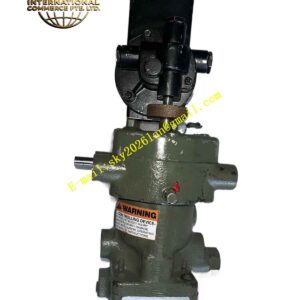
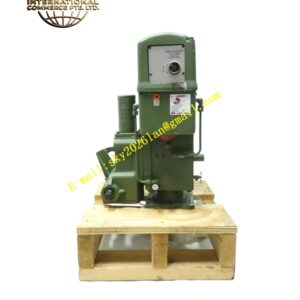
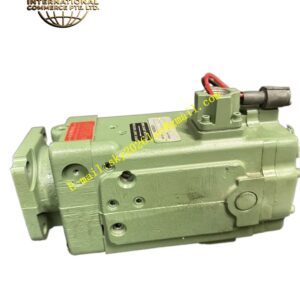
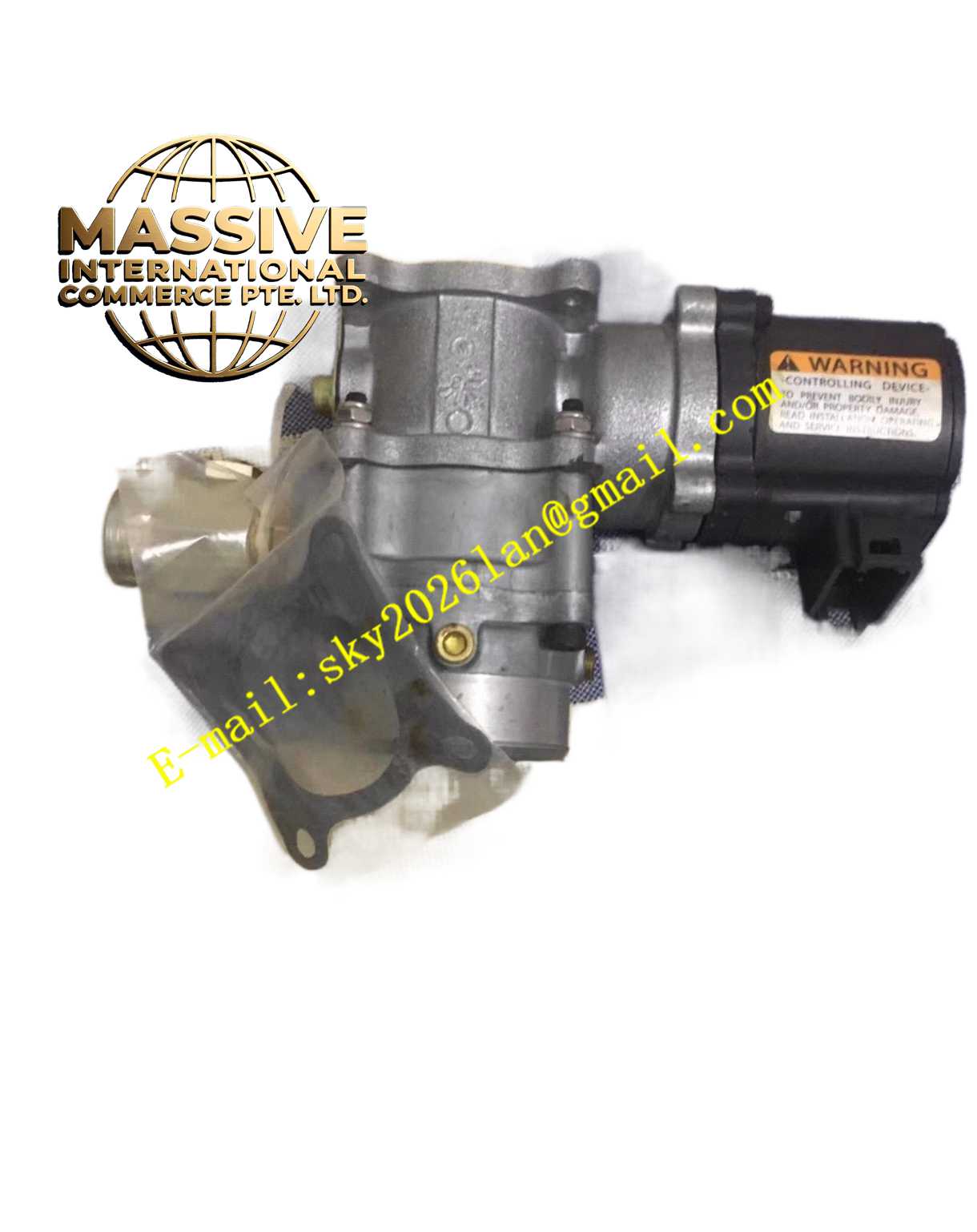
Woodward 8407-515
Technical Specifications
- Actuation Type: Double-acting hydraulic piston with integral position feedback.
- Control Signal: 4-20 mA proportional input.
- Hydraulic Pressure: Operating range typically between 300 PSI and 1500 PSI.
- Feedback Device: Internal Linear Variable Differential Transformer (LVDT) or rotary potentiometer.
- Flow Capacity: High-flow spool design for rapid valve stroking.
Functional Features
- Fail-Safe Operation: Spring-return or hydraulic accumulator backup to drive the valve to a safe position upon signal or power loss.
- Zero Adjustability: External trim potentiometers for precise null adjustment without disassembly.
- High Resolution: Capable of positioning with less than 0.1% hysteresis.
- Vibration Resistance: Engineered to withstand severe mechanical vibration from prime movers.
Application Scenarios
Used in steam turbine inlet valve control, gas turbine fuel metering, and compressor anti-surge valve applications.
Performance Parameters
- Frequency Response: Typically exceeds 30 Hz at -3dB.
- Positioning Accuracy: ±0.25% of full stroke.
- Cyclic Life: Rated for millions of cycles without seal degradation.
Material Composition
Constructed from high-strength alloy steel for the valve body and spool, with hardened and polished sealing surfaces. Seals are made of fluorocarbon (Viton) for high-temperature oil compatibility.
Structural Characteristics
- Integral Electronics: Servo amplifier and LVDT conditioning are housed directly on the actuator body.
- Manual Override: Equipped with a hand-pump or mechanical override knob for emergency manual positioning.
- Port Configuration: Standard SAE O-ring boss ports for leak-free hydraulic connections.
Working Principle
An electrical command signal drives a torque motor or solenoid pilot valve, which directs high-pressure hydraulic fluid to either side of the main piston. The internal LVDT continuously measures the piston’s position and feeds it back to the internal electronics, creating a closed-loop system that precisely matches the mechanical position to the electrical command.
Installation Requirements
- Hydraulic supply lines must include high-pressure filters (typically 5 microns or better).
- Actuator must be mechanically aligned with the valve stem to prevent binding.
- Bleed valves must be properly vented during initial commissioning to remove trapped air.
Usage Precautions
- Never apply hydraulic pressure before the electrical control signal is verified stable.
- Monitor hydraulic fluid cleanliness strictly; particulate contamination is the primary cause of failure.
- Do not exceed the maximum rated hydraulic pressure to prevent seal blowout.