


Description
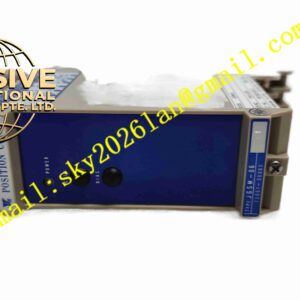
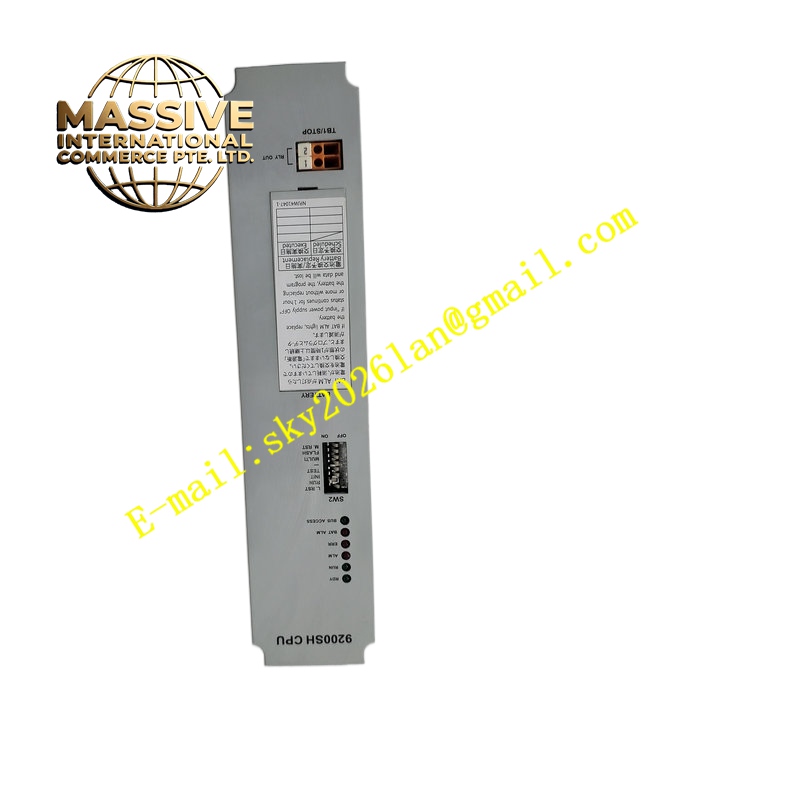
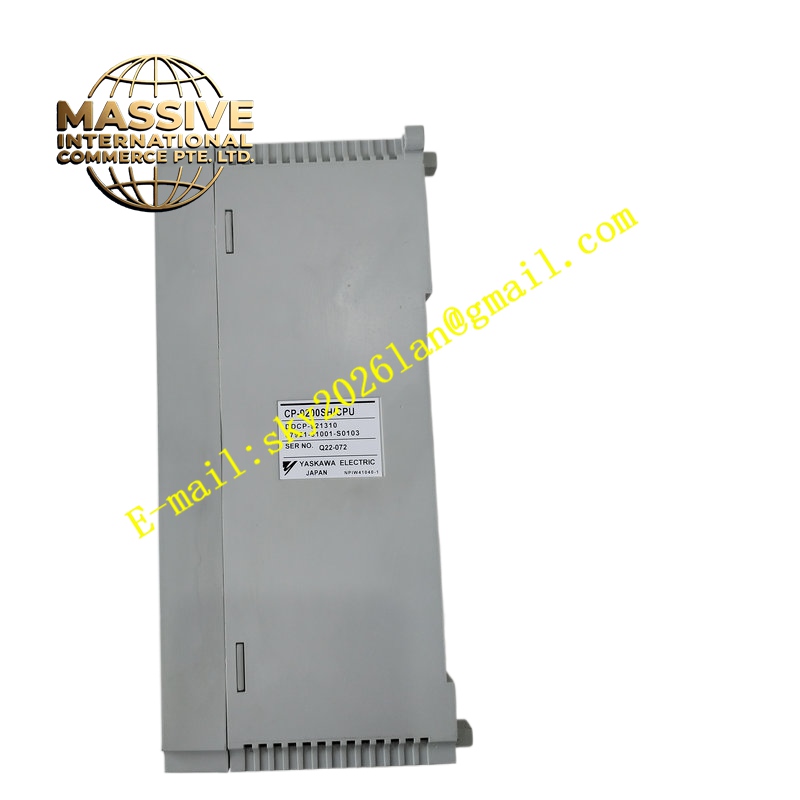
YASKAWA CP-9200SHCPU
Technical Specifications DC input voltage range 24 VDC to 48 VDC; continuous output current 2.5 Arms; peak output current 7.5 Arms; three control modes: torque, velocity and position; pulse/direction command and CANopen bus command interface; built-in incremental encoder feedback channel; operating temperature 0 ℃ to 45 ℃ without derating; protection class IP00 for cabinet installation; natural convection cooling.
Functional Features High bandwidth current loop for fast torque response; auto-tuning function for load inertia identification; over-current, over-voltage, under-voltage, over-temperature and motor stall protection; CANopen object dictionary supports PDO real-time data exchange; configurable digital inputs for enable, homing and fault reset; digital outputs for fault and ready status signal.
Application Scenarios Small pick-and-place handling axes, labelling machine rotary stations, miniature conveyor positioning, medical automation actuators, small CNC auxiliary axes and packaging micro-positioning modules.
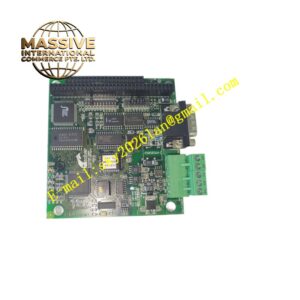
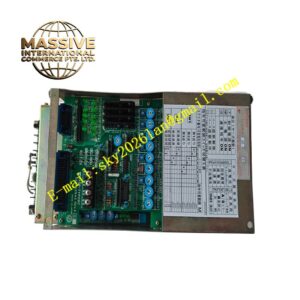
Material Composition Metal alloy heat sink base; FR4 power and control composite PCB; IGBT power switching devices; isolated encoder signal receiving circuit; plastic terminal housing for power and signal wiring.
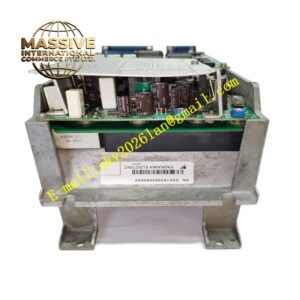
Structural Characteristics Compact rectangular DIN rail mount unit; terminal blocks arranged on one side for DC power, motor output and encoder feedback; front panel with multi-color LED indicators for power, fault and bus status; internal power components bonded to aluminum base for heat dissipation.
Working Principle DC bus power enters the drive and is converted to three-phase variable frequency AC for servo motor. The control chip compares position command with encoder feedback signal, executes cascaded position-speed-current PID loops, and generates PWM signal to drive power stage. CANopen interface synchronizes motion data with master PLC or motion controller.
Installation Requirements Mount on standard DIN rail inside electrical cabinet; maintain vertical orientation for convection cooling; twist encoder differential pair wires and shield single-point ground; add fuse protection on DC input bus.
Operation Notes Confirm DC voltage polarity before energizing; perform homing sequence after encoder replacement; do not operate above 45 ℃ ambient without current derating.