


Description
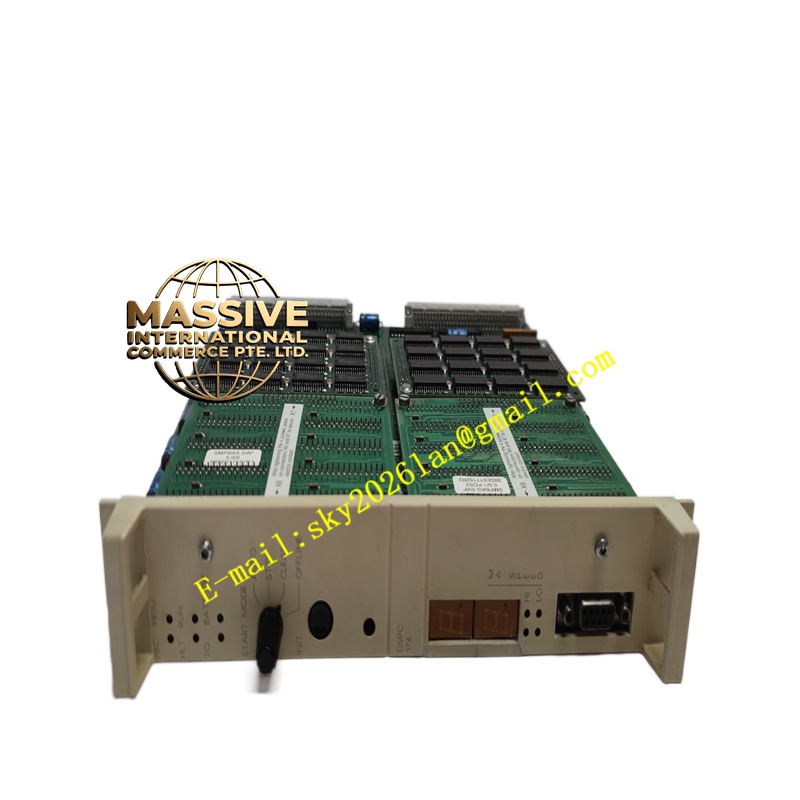
ABB DSPC174 3BSE005461R1
Technical Specifications:
- Product Type: Embedded Controller / Processor Card.
- Ordering Code: 3BSE005461R1.
- System Integration: Compatible with ABB Advant OCS and related DCS architectures.
- I/O Management: Capable of managing local or distributed I/O subsystems.
- Form Factor: Standard embedded card format for rack or backplane mounting.
Functional Features:
- Distributed Processing: Offloads specific control tasks from the main CPU, improving overall system performance and scan times.
- Modular Scalability: Allows for the expansion of control capabilities without replacing the primary system controller.
- Redundancy Support: Designed to support redundant configurations in critical applications to ensure high availability.
- Advanced Diagnostics: Features built-in self-test capabilities and detailed fault reporting for rapid troubleshooting.
Application Scenarios:
- Complex Process Control: Used in large-scale chemical and petrochemical plants where processing demands exceed single-CPU capabilities.
- Subsystem Automation: Manages dedicated skids, packaging lines, or auxiliary systems within a larger plant-wide DCS.
- System Expansion: Provides additional processing and I/O capacity for brownfield projects expanding existing ABB control systems.
- High-Availability Systems: Deployed in redundant pairs in power generation and critical infrastructure to ensure zero downtime.
Performance Parameters:
- Scan Time: Optimized for fast execution of localized control loops, ensuring tight process regulation.
- Communication Latency: High-speed backplane communication minimizes delay between the embedded card and the main controller.
- Mean Time Between Failures (MTBF): Engineered for exceptional long-term reliability in continuous industrial processes.
Material Composition & Structural Characteristics:
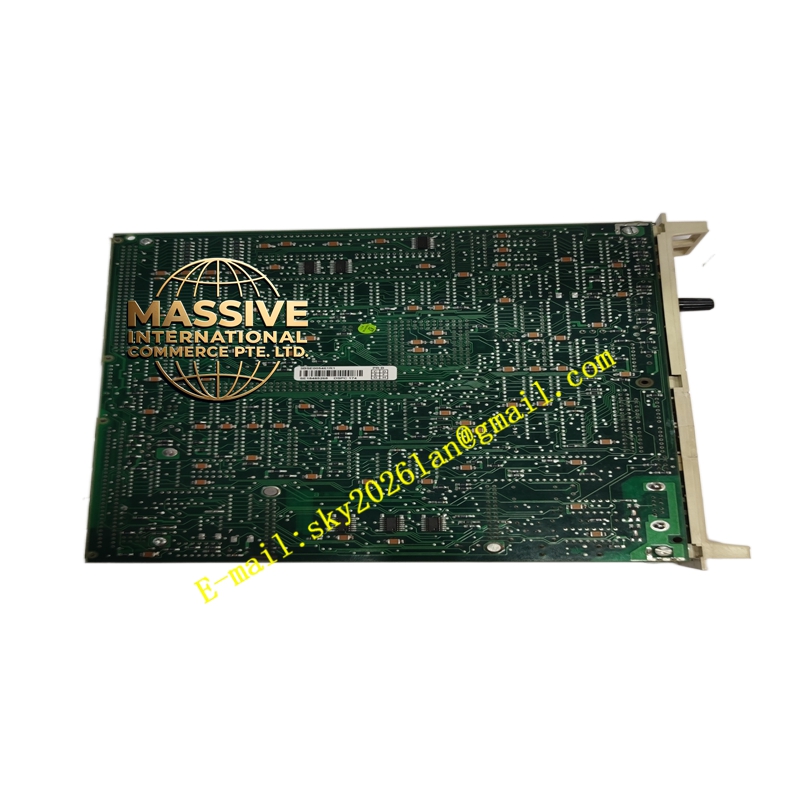
- PCB Construction: High-quality, multi-layer PCB with conformal coating for protection against harsh industrial environments.
- Components: Industrial-grade integrated circuits, memory modules, and communication transceivers.
- Connectors: Precision-machined backplane connectors ensuring reliable, low-resistance electrical connections.
- Identification: Permanently marked with part number, serial number, and manufacturing date for traceability.
Working Principle:
The DSPC174 operates as a subordinate processor within the DCS architecture. It receives configuration and setpoint data from the main controller, executes its dedicated control algorithms, and manages its assigned I/O points. Process data and status information are continuously synchronized with the main controller over the high-speed backplane, ensuring a unified and coherent control strategy across the entire system.
Installation Requirements:
- Slot Compatibility: Install only in designated embedded controller slots within the ABB backplane rack.
- Hardware Configuration: Set any required hardware address jumpers or DIP switches before installing the card.
- Software Configuration: Define the card’s role, I/O mapping, and control parameters in the system engineering tool.
- Secure Mounting: Ensure the card is fully seated and securely fastened with retaining screws to prevent dislodgement due to vibration.
Usage Precautions:
- System Compatibility: Verify that the DSPC174 hardware revision is fully compatible with the existing system firmware and engineering software version.
- ESD Protection: Strictly observe electrostatic discharge precautions during handling and installation.
- Hot-Swap Procedures: Follow the manufacturer’s exact procedures for hot-swapping the card if the system supports it; otherwise, schedule a maintenance window for replacement.
- Documentation: Maintain accurate as-built documentation, including card slot locations, addresses, and configuration parameters, to facilitate future maintenance.