


Description
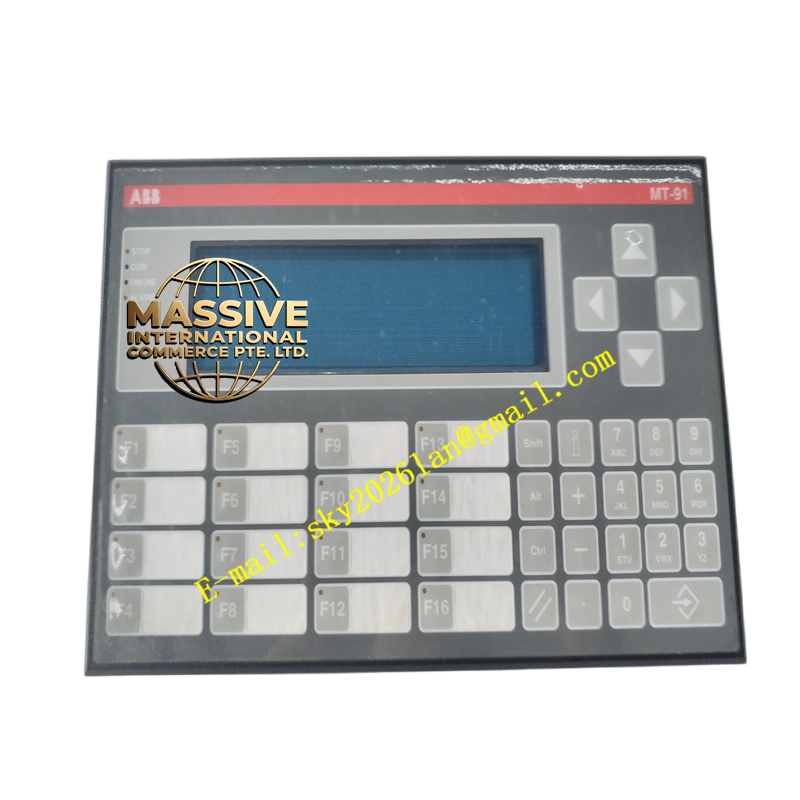
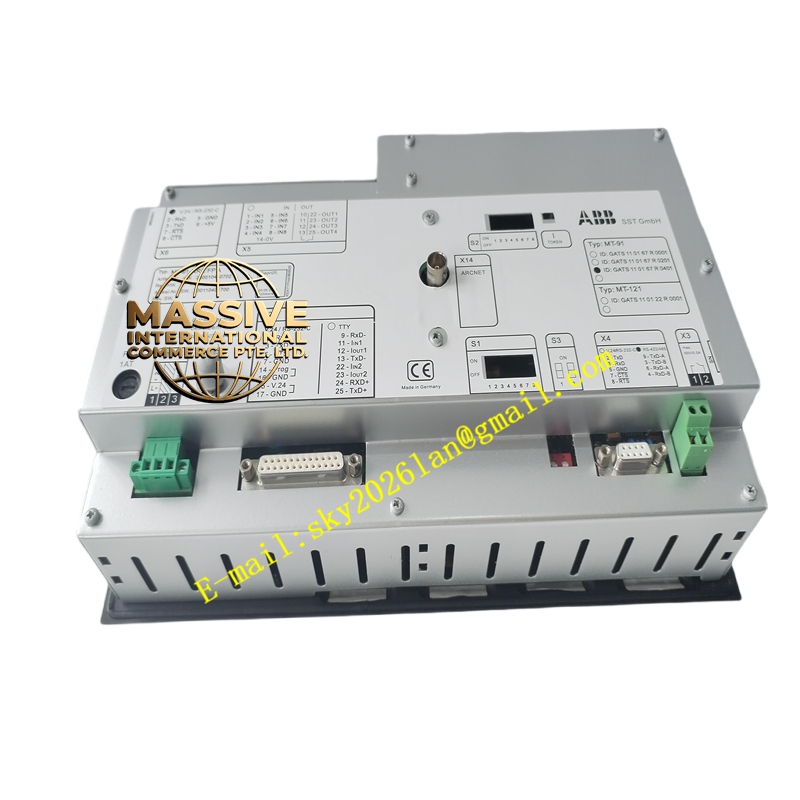
ABB MT-91-ARCFPA
- Technical Specifications (typical for ABB Arc Guard point sensor):
- Sensing Principle: UV/visible light detection (185–400 nm) with solar-blind characteristic to reject ambient light
- Spectral Response Peak: ≈290 nm (UV-C range — arc signature)
- Fiber / Lens: UV-transmissive quartz rod or polymer fiber (FPA = Fiber Point Assembly); length typically 1 m, 3 m, 5 m options
- Trip Time (system): <40 ms from arc onset to breaker trip (sensor + TVOC relay + breaker)
- Operating Temp.: –25 °C to +70 °C
- Humidity: 5–95 % RH non-condensing
- Connection: Plugs into TVOC main unit sensor port via bayonet or screw-lock UV fiber connector
- Material: Stainless steel or polyamide sensor housing; UV-grade silica fiber (where fiber type)
- Approval: Type-tested with TVOC-Arc Guard per IEEE C37.20.7, IEC 62271-200
- Functional Features:
- Point coverage — one sensor covers ~1 m³ (depends on compartment geometry / reflectivity)
- Immune to normal lighting (fluorescent, incandescent, daylight through window — solar-blind UV cutoff)
- Self-test (on TVOC main unit) checks sensor continuity and sensitivity periodically
- Multiple sensors can be paralleled to one TVOC zone input (OR logic)
- Application Scenarios:
- MV switchgear (11 kV / 33 kV) — sensor in each compartment (breaker cell, busbar section, cable compartment)
- LV main distribution board (MDB) with high prospective fault level — arc flash mitigation
- Generator breaker cubicle, transformer secondary switchboard
- Retrofit into existing ABB Unigear / Safering / Safelink panels
- Material & Structure / Working Principle / Installation / Precautions:
- Mount sensor in compartment aiming at likely arc origin zone (busbar joints, disconnect linkage)
- Route fiber carefully — minimum bend radius ≥50 mm; do NOT crimp or kink
- Connect to TVOC main unit “Sensor In” port; verify sensor presence via TVOC self-test menu
- Precaution: Do NOT look directly into UV-transmissive fiber end when system is armed — though intensity is low, good practice is to treat as hazardous UV source. Replace sensor if fiber is scratched or heavily contaminated. Keep lens clean — dust/oil film attenuates UV and may delay trip.