



Description
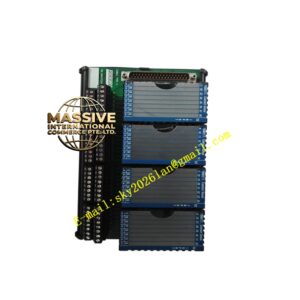
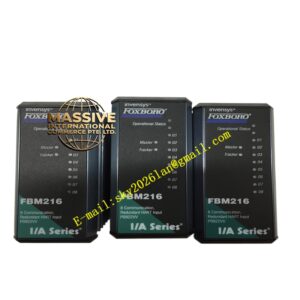
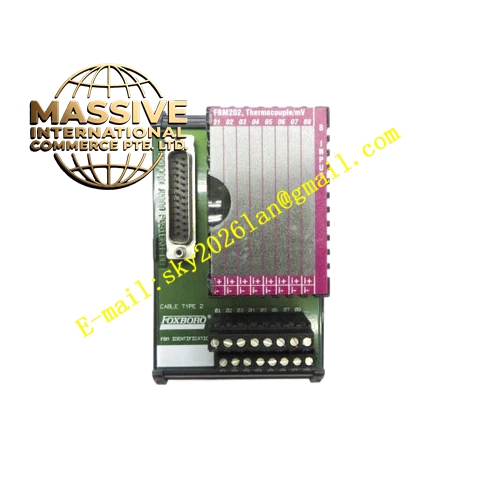
Foxboro P0916AC
Technical Specifications
- Processor: 32-bit industrial-grade RISC processor.
- Execution Speed: 0.1 µs/boolean, 0.5 µs/floating-point.
- Memory: 8MB program, 4MB data.
- Protocols: Modbus TCP/IP, ControlNet, Ethernet/IP.
- Power: 24VDC, 10W.
Functional Features
- Universal Compatibility: Seamlessly integrates with diverse field devices and third-party systems.
- High-Speed Networking: 100Mbps fiber optic Ethernet ensures rapid data throughput.
- Fault Tolerance: Hot-standby redundant architecture guarantees continuous availability.
- Cost-Effective Integration: Simplified configuration reduces engineering and commissioning time.
Application Scenarios
Ideal for manufacturing, chemical processing, power generation, and any environment demanding high-precision, real-time process control and monitoring.
Performance Parameters
- Operating Temperature: 0℃ to 60℃.
- Storage Temperature: -40℃ to 85℃.
- Network Rate: 100Mbps fiber optic Ethernet.
Material Composition
High-strength die-cast aluminum enclosure with multi-layer industrial-grade PCBs, offering outstanding vibration resistance and EMI immunity.
Structural Characteristics
- Dimensions: 140mm × 165mm × 45mm.
- Weight: 0.6kg.
- Protection Rating: IP20.
Working Principle
Serving as a core network node, the P0916AC ingests sensor data, executes control strategies, drives actuators, and uploads real-time status to the supervisory layer via the industrial Ethernet backbone.
Installation Requirements
- Ensure adequate cabinet ventilation for heat dissipation.
- Fiber optic and network connections must strictly adhere to EMC standards.
- System grounding must comply with industrial control specifications.
Usage Precautions
- Verify hardware revision and firmware compatibility before replacement.
- Avoid installation in environments with highly corrosive gases.
- Perform routine diagnostics to validate redundant component health.