


Description
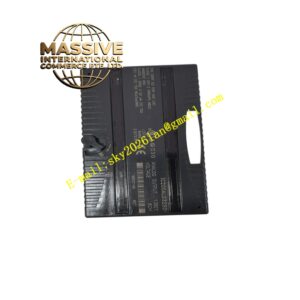
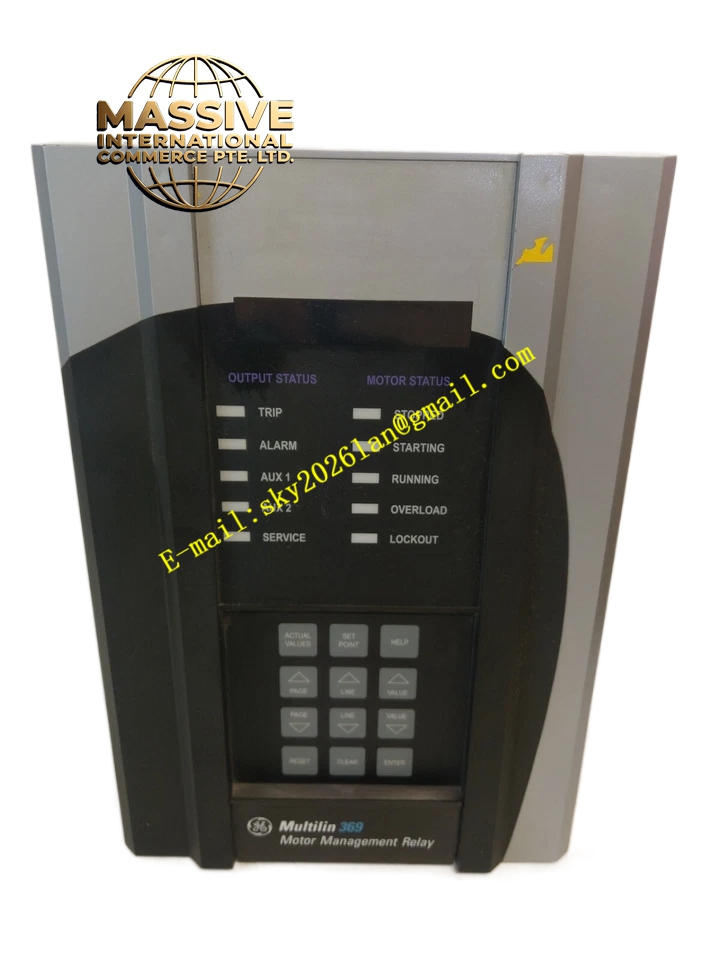
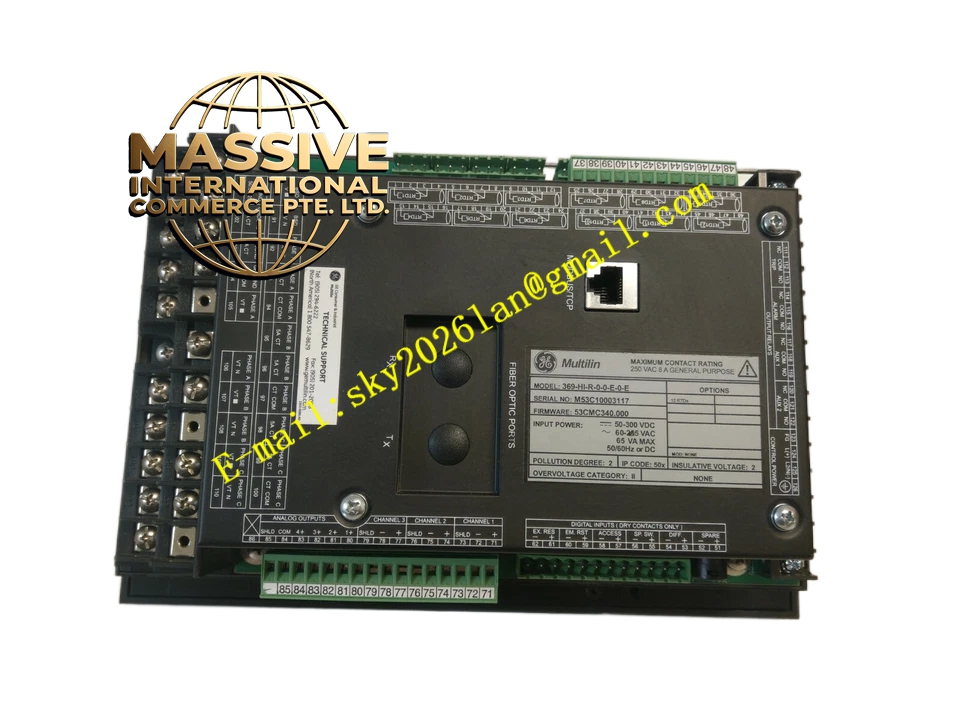
GE 369-HI-R-0-0-0-E
- Technical Specifications:
- Control Power: 110–250 V DC, 100–240 V AC @ 50/60 Hz
- Current Inputs: 1 A and 5 A secondary (phase and neutral)
- RTD Inputs: 3-wire, supports 100Ω Pt, Ni, 10Ω Cu
- Differential Trip Delay: <200 ms
- Insulation Class: Class I
- Dimensions: Approx. 29.6 cm H x 10.7 cm W x 20.5 cm L
- Functional Features: Adaptive motor learning for parameter optimization; event recorder (up to 512 events); waveform capture; undervoltage auto-restart; reverse power protection; starter failure detection; optional RTD temperature monitoring.
- Application Scenarios: Large compressor motors, pump drives in oil & gas, conveyor systems in mining, fan and blower controls in power plants, process industry motor centers.
- Performance Parameters: Metering accuracy for current, voltage, power, power factor, and temperature; communications via optional serial/Ethernet protocols; differential switch time delay <200 ms for fast fault clearance.
- Material Composition: Flame-retardant polycarbonate/ABS enclosure; internal multilayer PCB with conformal coating; silver-cadmium oxide relay contacts; liquid crystal display (optional).
- Structural Features: Panel-mount or flush-mount casing with terminal blocks on rear; hinged door for setup access; DIP switches and keypad for local configuration; clearly labeled test/reset buttons.
- Working Principle: Continuously samples CT and PT signals to calculate motor electrical parameters, compares them against programmed protection curves (thermal modeling, differential, ground fault), and trips the motor contactor via output relays when thresholds are exceeded while logging the event.
- Installation Requirements: Mount in a clean, dry panel per NEMA/IEC cutout dimensions; use shielded twisted-pair cables for CT/PT wiring grounded at one end; ensure control power supply is isolated from high-voltage compartments.
- Usage Precautions: Perform initial motor learning routine before enabling full protection; verify CT polarity to avoid false differential trips; regularly back up relay configuration to prevent loss during replacement.