


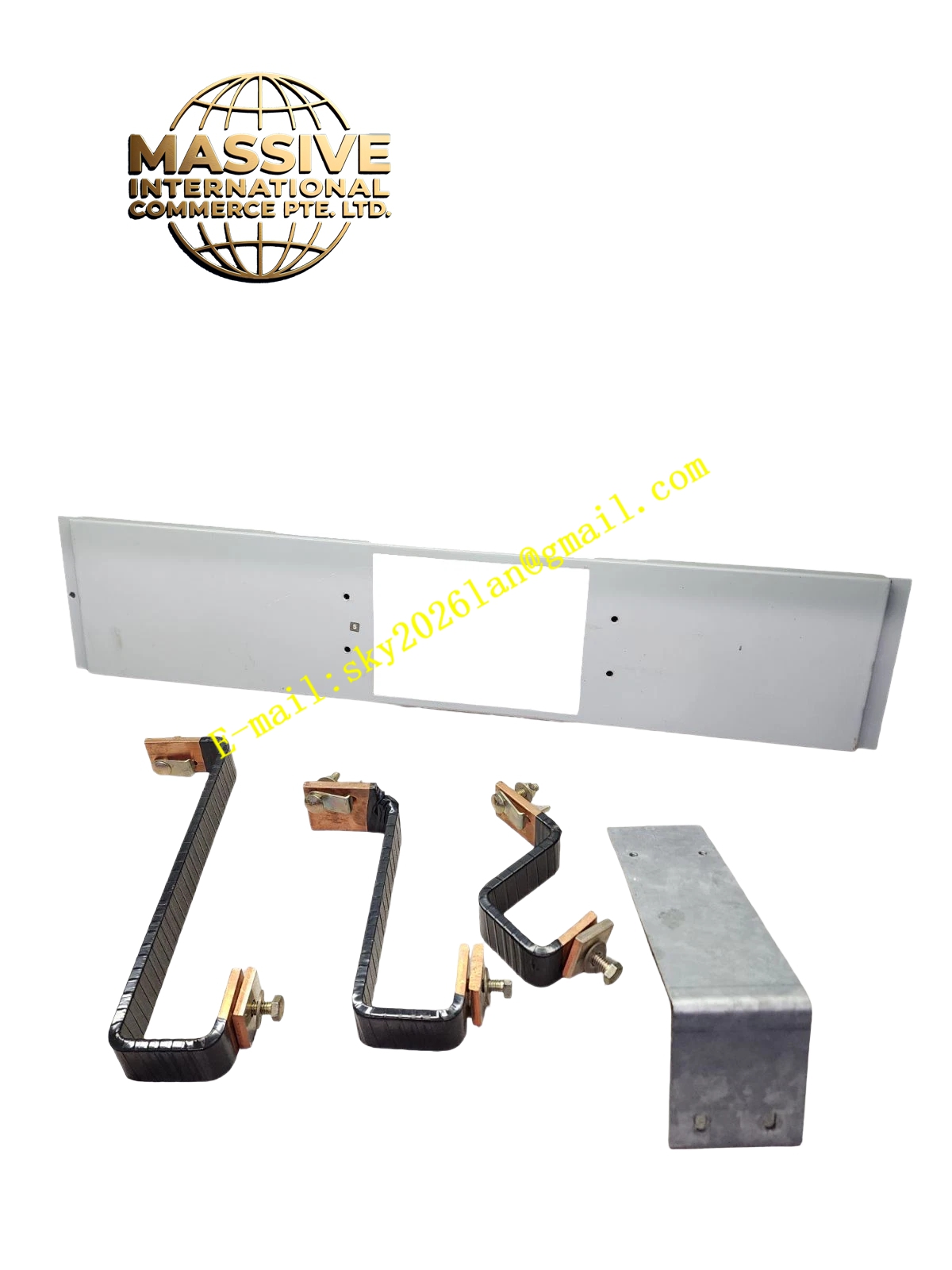
Description
GE AMCB3GM
Technical Specifications
- Part Number: AMCB3GM
- Pole Configuration: 3-Pole
- Voltage Rating: Up to 600V AC
- Frame Type: Standard GE industrial MCCB frame
Functional Features
- Overcurrent Protection: Provides precise thermal-magnetic protection against sustained overloads and instantaneous short circuits.
- Manual Disconnect: Functions as a manual isolation switch for safe maintenance and Lockout/Tagout (LOTO) procedures.
- Arc Extinguishing: Equipped with an internal arc chute system to safely quench high-energy electrical arcs during fault interruption.
Application Scenarios
Extensively used in main power distribution panels, motor control centers (MCCs), heavy industrial manufacturing, and commercial power infrastructure.
Performance Parameters
- Interrupting Capacity: High ampere interrupting capacity (AIC) rated for severe industrial fault currents.
- Mechanical/Electrical Life: Engineered for tens of thousands of operational cycles at full rated load.
Material Composition
Housed in a high-strength, flame-retardant thermoset plastic enclosure. Internal components feature silver-alloy contacts, copper busbars, and precision bimetallic thermal elements.
Structural Characteristics
Features a compact, rugged rectangular profile with external toggle handles, clear ON/OFF/TRIPPED position indicators, and standard bolt-on terminal connections.
Working Principle
Under normal conditions, the breaker maintains a closed electrical path. During an overload, the thermal element heats and bends to trip the mechanism. During a short circuit, the magnetic element instantly forces the contacts apart, extinguishing the arc within the arc chute.
Installation Requirements
- Must be mounted vertically in a NEMA or IEC-rated enclosure.
- Line and load connections must be torqued strictly to GE specifications using a calibrated torque wrench.
- Ensure adequate clearance for heat dissipation and arc flash safety.
Usage Precautions
- Always perform Lockout/Tagout (LOTO) procedures before servicing.
- Never operate the breaker beyond its rated voltage or current capacity.
- Periodically exercise the breaker (open and close) to maintain mechanical lubrication and prevent contact oxidation.