


Description
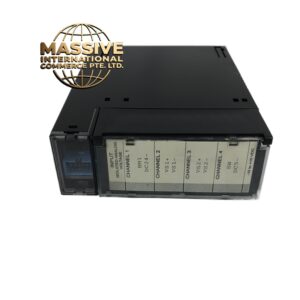
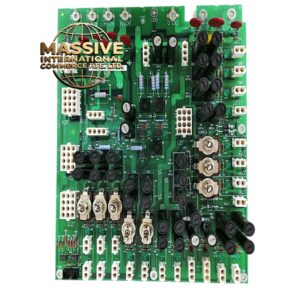
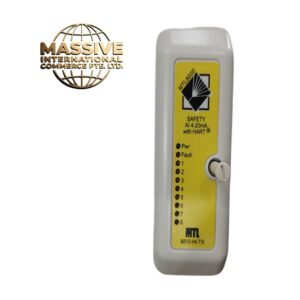
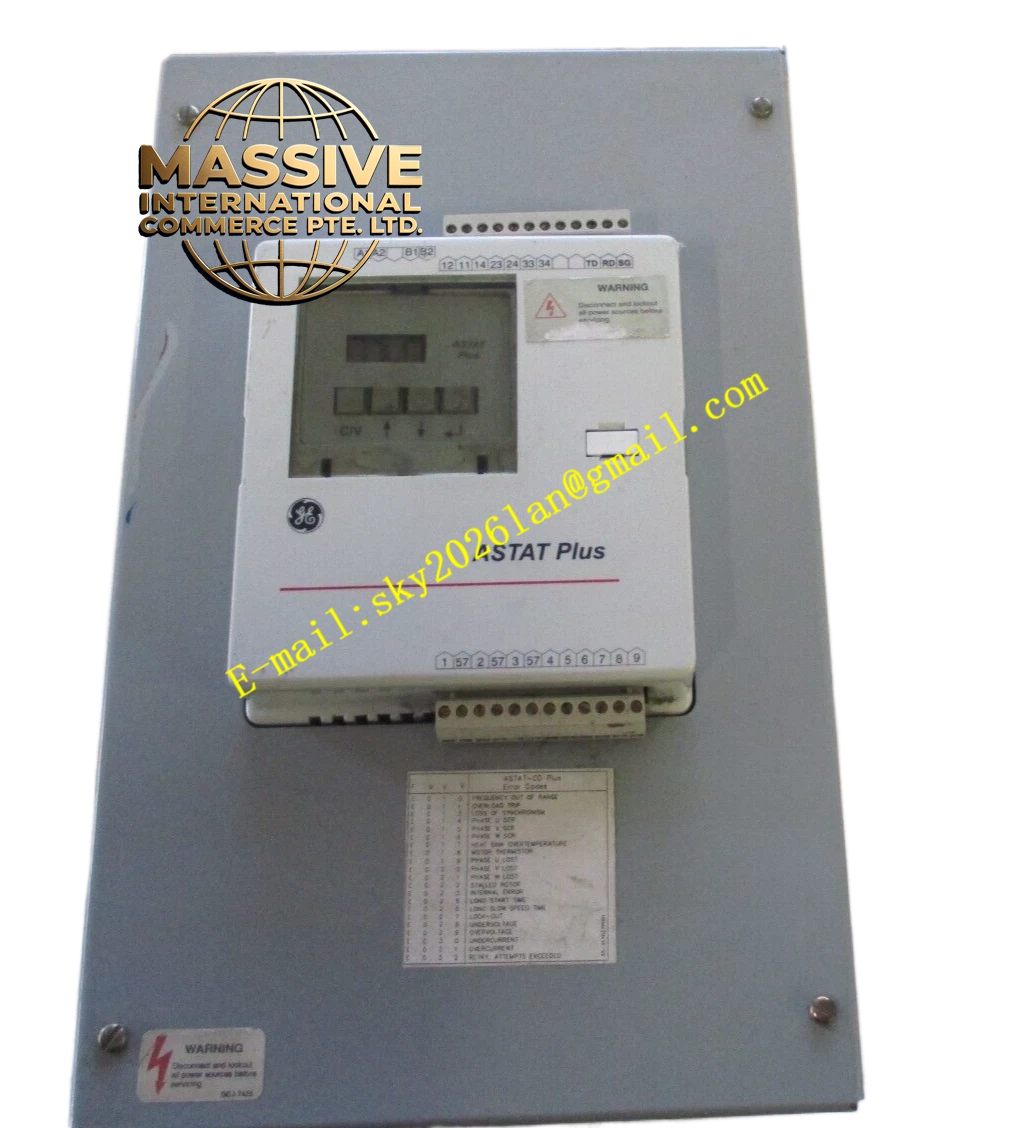
GE ASTATQC2JDP
Technical Specifications
- Product Line: GE ASTAT Series.
- Part Number: ASTATQC2JDP.
- Type: Solid State Contactor / Soft Starter.
- Control Method: Phase-angle or zero-cross switching.
Functional Features
- Soft Starting: Ramps up motor voltage to eliminate mechanical shock and current spikes.
- Silent Operation: No moving contacts or mechanical arcing.
- High Cycling Rate: Capable of frequent starts and stops without contact wear.
- Precision Control: Accurate phase control for variable torque and speed applications.
Application Scenarios
Ideal for conveyor belts, centrifugal pumps, fans, compressors, and industrial mixers.
Performance Parameters
- Switching Speed: Microsecond-level response for precise motor control.
- Thermal Management: Requires external heat sinking or forced air cooling.
- Voltage Rating: Designed for standard industrial AC voltages.
Material Composition
Features high-power SCR thyristors mounted on heavy-duty aluminum heat sinks, with optically isolated control circuits and ruggedized epoxy encapsulation.
Structural Characteristics
Compact, flat-pack module design with heavy-duty power terminals and low-voltage control signal connectors. Includes mounting holes for heat sink attachment.
Working Principle
Controls the flow of AC power to the motor by firing SCRs at specific points in the AC waveform. By adjusting the firing angle, it precisely regulates the RMS voltage applied to the motor.
Installation Requirements
Must be mounted to an adequately sized heat sink. Ensure proper airflow across the heat sink fins. Connect control signals using shielded cables.
Usage Precautions
Never operate without proper heat sinking. Install RC snubbers or MOVs across the output to protect against voltage transients. Observe ESD precautions during control wiring.