




Description
GE DS200TCQAG1BHF
Technical Specifications:
- Brand: General Electric (GE)
- Model: DS200TCQAG1BHF
- System Series: Speedtronic Mark V / Mark VI
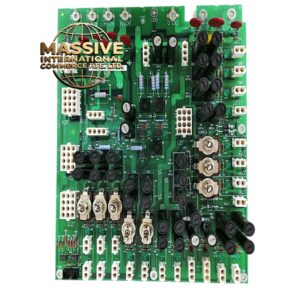
- Connectors: Features four 34-pin connectors, two 40-pin connectors, and one 9-pin connector
Functional Features:
- Multi-Signal Processing: Supports mixed analog and digital inputs, including thermocouples, RTDs, 4-20 mA signals, and discrete voltage inputs.
- Hardware Configuration: Utilizes seven hardware jumpers to configure signal types, ranges, and protection thresholds without requiring software changes.
- Status Monitoring: Equipped with six horizontal LED indicators on the front panel to provide real-time visual feedback on power, communication, and channel status.
Application Scenarios:
Core component in gas and steam turbine control racks, responsible for monitoring exhaust temperatures, bearing vibrations, lube oil pressures, and executing emergency overspeed trips.
Performance Parameters:
High-resolution analog-to-digital conversion with microsecond-level discrete input scanning to guarantee fast and reliable protective tripping.
Material Composition:
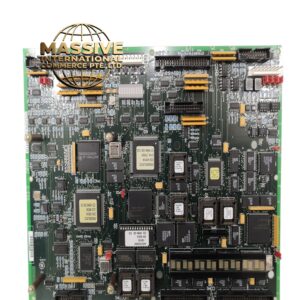
Rugged industrial PCB with precision resistors, high-quality isolation transformers, and durable connector housings designed for high-vibration environments.
Structural Characteristics:
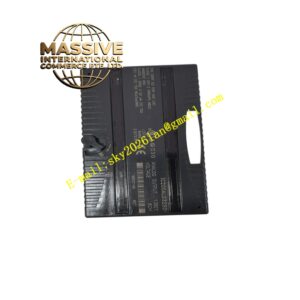
Standard Speedtronic board size featuring a front extraction handle, six diagnostic LEDs, and multiple high-density ribbon cable interfaces for terminal board connections.
Working Principle:
Field signals are routed through terminal boards to this module via ribbon cables. The board conditions, isolates, and digitizes these signals, passing the data to the main processor while simultaneously evaluating discrete signals against hardwired protection logic.
Installation Requirements:
Insert securely into the I/O core slot. Ribbon cables must be routed carefully to avoid pinching, and all connectors must be fully mated and locked.
Precautions for Use:
Never disconnect ribbon cables while the system is energized. Verify jumper settings match the specific turbine’s calibration data to prevent false trips or failure to trip.