



Description
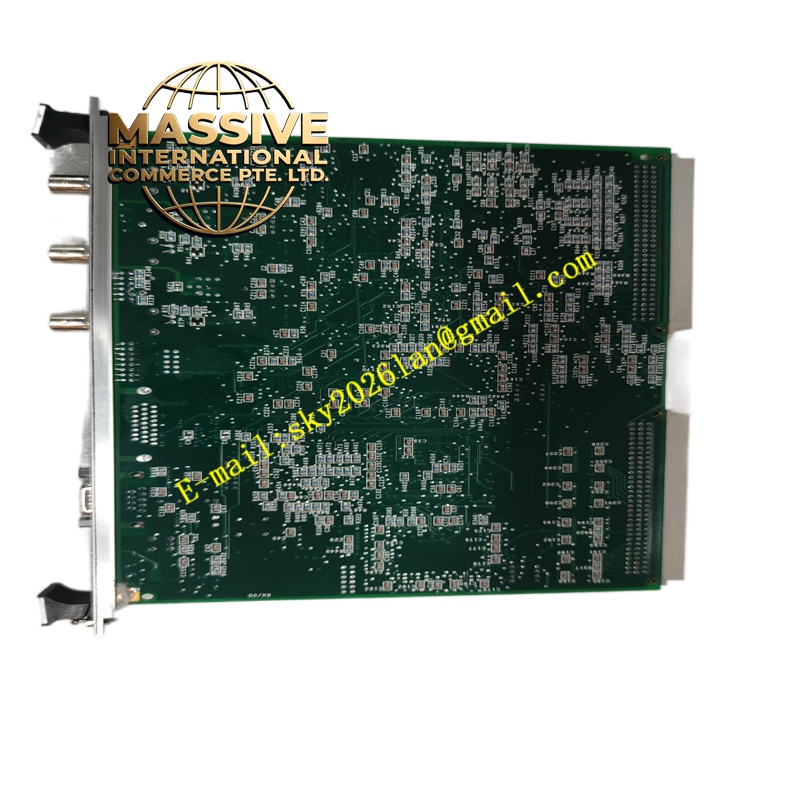
GE IS200VRTDH1DAC
Technical Specifications:
- Brand: General Electric (GE)
- Model: IS200VRTDH1DAC
- Product Type: RTD Input Board
- System Compatibility: GE Mark VI Turbine Control System
Functional Features:
- High-Precision Temperature Acquisition: Accurately measures temperature from multiple RTD sensors simultaneously.
- Signal Conditioning: Filters and scales raw RTD signals to provide clean, reliable data to the main processor.
- Fault Detection: Continuously monitors sensor wiring for open or short circuits, reporting faults immediately.
Application Scenarios:
Deployed in gas and steam turbine control systems to monitor exhaust temperatures, bearing temperatures, and coolant flows.
Performance Parameters:
- Measurement Accuracy: High-resolution analog-to-digital conversion for precise thermal monitoring.
- Response Time: Fast data acquisition to support real-time thermal protection logic.
Material Composition:
Industrial-grade PCB with conformal coating to protect against harsh turbine enclosure environments.
Structural Characteristics:
Standard Mark VI board form factor with high-density connectors for RTD field wiring and secure backplane integration.
Working Principle:
Excites the connected RTD sensors with a precision current, measures the resulting voltage drop, and calculates the exact temperature based on the RTD’s resistance-temperature characteristic.
Installation Requirements:
Install in the designated I/O slot. Use properly shielded RTD extension cables to prevent electromagnetic interference.
Usage Precautions:
Verify RTD type (e.g., Pt100, Ni100) configuration in the system software before commissioning. Strictly adhere to ESD handling protocols.