


Description
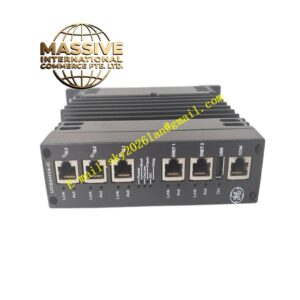
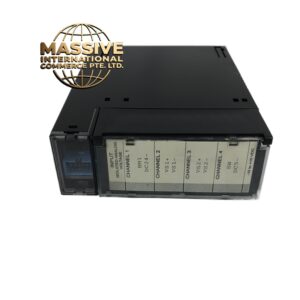
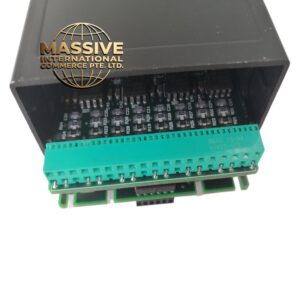
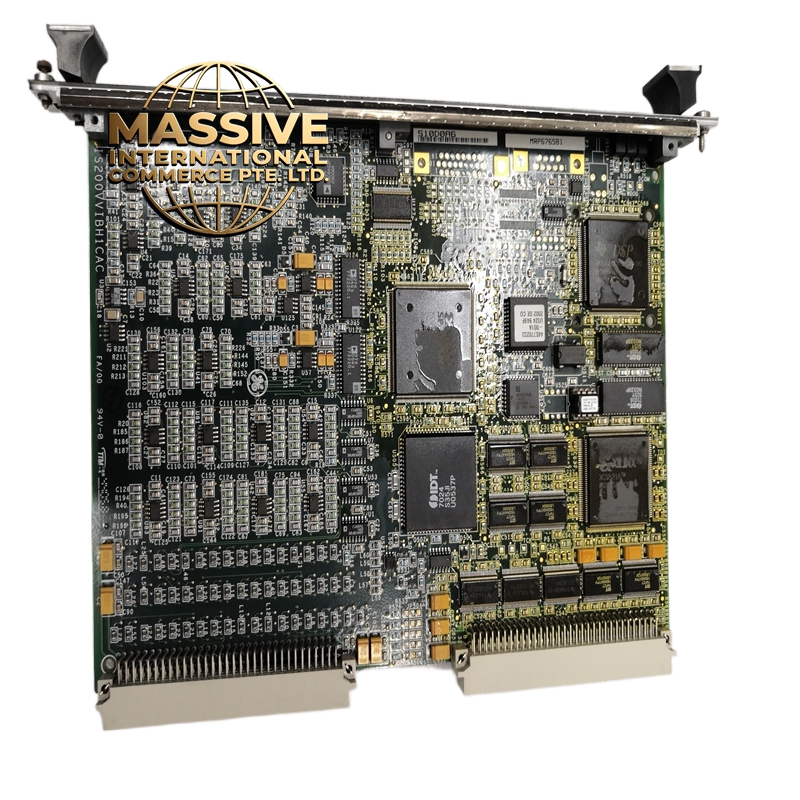
GE IS200VVIBH1CAC
Technical Specifications
| Parameter | Specification |
|---|---|
| Function | Advanced Vibration Signal Processing |
| System Compatibility | Mark VI Speedtronic |
| Input Channels | Expanded multi-channel capability |
| Sensor Support | All standard vibration sensor types |
| Processing Capability | Enhanced DSP for complex algorithms |
| Memory Capacity | Expanded trend and waveform storage |
| Communication | Enhanced IONet interface |
| Board Dimensions | Standard Mark VI VME form factor |
| Operating Temperature | 0°C to 60°C (32°F to 140°F) |
| Storage Temperature | -40°C to 85°C (-40°F to 185°F) |
Functional Features
-
Advanced Diagnostics: Includes pattern recognition and anomaly detection algorithms
-
Extended Trend Storage: Larger memory capacity for long-term trend analysis
-
Waveform Capture: High-speed waveform recording for transient event analysis
-
Multi-Parameter Monitoring: Simultaneous monitoring of displacement, velocity, and acceleration
-
Cross-Channel Analysis: Capability to analyze relationships between multiple measurement points
-
Customizable Alarm Logic: Complex alarm equations using multiple input variables
-
Remote Monitoring Interface: Enhanced connectivity for plant-wide monitoring systems
Structural Characteristics
-
Enhanced digital signal processor with higher clock speed
-
Expanded onboard memory for data storage
-
Additional communication interfaces
-
Upgraded analog front-end with improved signal-to-noise ratio
-
Enhanced thermal management for continuous operation
Working Principle This enhanced card operates on the same fundamental principles as the standard VVIB card but with expanded capabilities. The additional processing power enables:
-
Real-Time Modeling: Comparison of actual vibration signatures against baseline models
-
Predictive Algorithms: Early fault detection using statistical analysis
-
Transient Capture: High-speed recording of vibration events during startup, shutdown, or fault conditions
-
Multi-Machine Monitoring: Capability to monitor and correlate data from multiple machines
Installation Requirements
-
Install in VME rack with adequate clearance for ventilation
-
Connect to compatible terminal board configuration
-
Configure enhanced features through system software
-
Ensure sufficient system memory allocation for trend storage
-
Verify compatibility with existing system software version
Application Scenarios
-
Large gas turbine generator sets
-
Combined cycle power plants with multiple turbines
-
Critical process compressors
-
Nuclear power plant rotating equipment
-
Offshore platform machinery monitoring
Usage Precautions
-
Verify system software supports enhanced features
-
Ensure adequate processing time allocation in control system
-
Monitor memory usage for trend storage
-
Regular backup of configuration and trend data
-
Maintain system software updates for optimal performance