


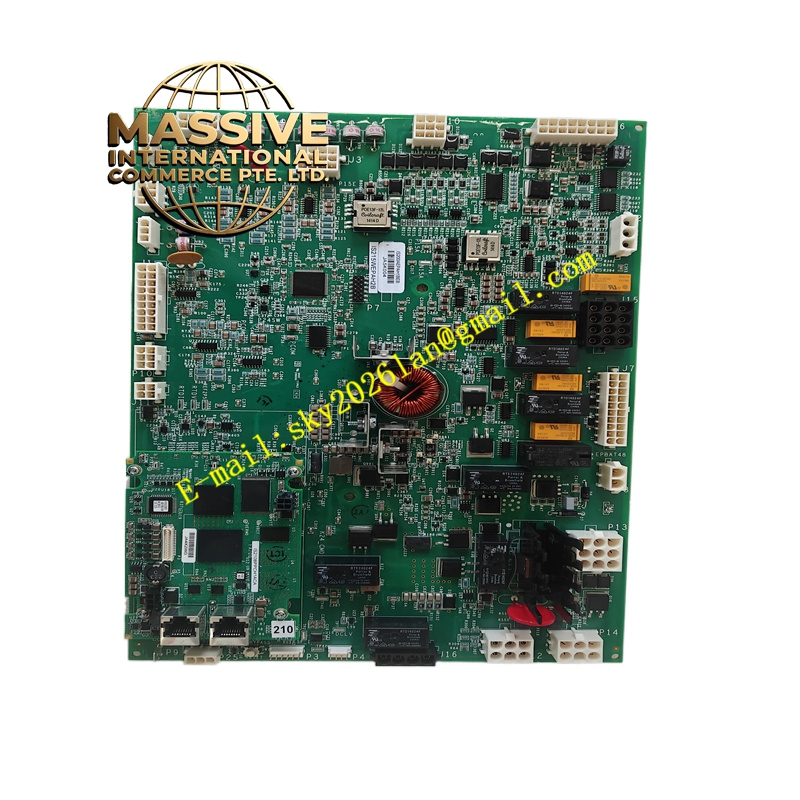
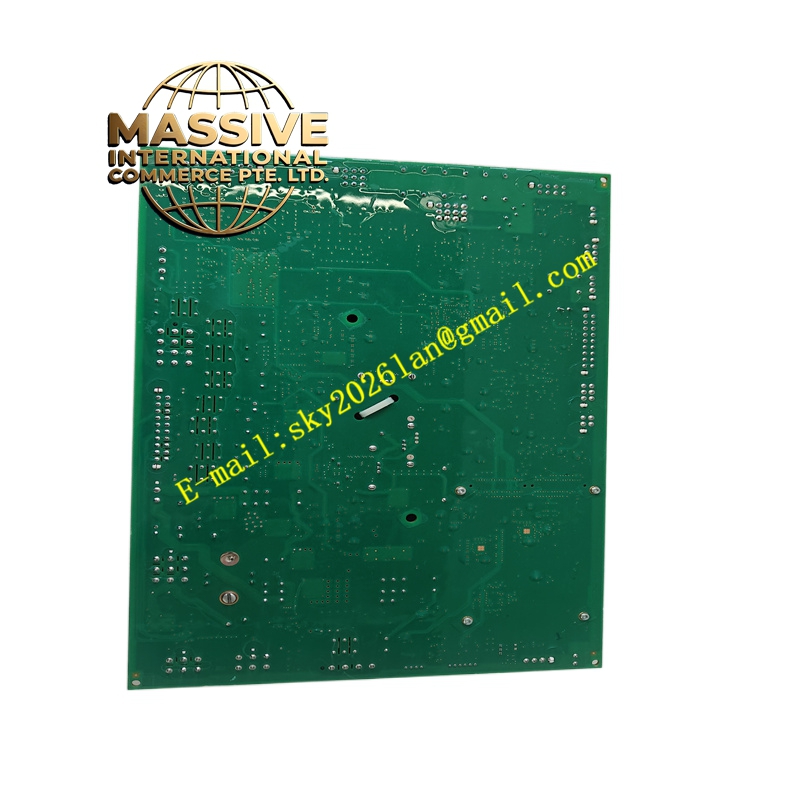
Description
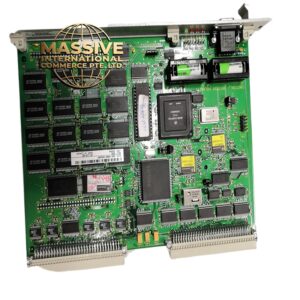
GE IS215WEPAH2B / 109W3914P003 Technical Specifications:
- Manufacturer: General Electric (GE).
- Product Type: RST Analog I/O Board (TCQA).
- System Compatibility: GE Mark V and Mark VI Speedtronic Gas Turbine Control Systems.
- Power Supply: Supports 125 VDC power distribution via the 2PL connector.
- Hardware Configuration: Features configurable hardware jumpers including J1, J2, J5, J6, J7, and J8.
- Environmental Tolerance: Designed to operate in extreme industrial environments with a working temperature range of -40°C to +70°C and a storage temperature of -55°C to +85°C.
- Humidity Resistance: Withstands 5% to 95% non-condensing humidity.
- Compliance: Meets stringent aerospace and industrial standards, including MIL-STD-810 and DO-160.
Functional Features:
- Comprehensive Signal Conditioning: Scales and conditions 4-20 mA input signals for critical turbine parameters such as compressor stall detection and fuel flow pressure.
- Multi-Connector Interface: Utilizes specialized connectors including 3PL (data bus), JE (generator/line signals and servo valve drivers), JF (LVDT/LVDR position inputs), and JG (vibration and DC voltage inputs).
- Thermocouple Processing: Handles thermocouple inputs and cold-end compensation via the JA connector on the TBQA terminal board.
- Configurable Outputs: Hardware jumpers J1 and J2 select milliamp output circuits, while J5 and J6 configure the output current range to either 20 mA or 200 mA.
- Advanced Diagnostics: Jumper J7 enables RS232 port testing, and J8 is utilized to start the internal oscillator for system diagnostics.
Application Scenarios:
- Primary gas turbine control and protection systems.
- Power generation plants requiring precise turbine synchronization and load management.
- Industrial automation and heavy machinery control lines.
- Applications demanding high-precision analog signal processing in harsh, high-electromagnetic-interference environments.
Performance Parameters:
- Signal Types Supported: LVDT inputs, servo valve outputs, thermocouple inputs, 4-20 mA inputs/outputs, vibration inputs, relay driver outputs, pulse inputs, and generator/line signals.
- Electromagnetic Interference (EMI) Protection: Equipped with four metal oxide varistors (MOVs) to provide superior resistance against electrical surges and EMI.
- Connectivity: Features 20 connectors for extensive I/O expansion and system integration.
- Data Transmission: Transmits conditioned signals via the 3PL data bus to the STCA board and routes generator/line signals to the TCQC board via the JE connector.
Material Composition & Structural Characteristics:
- PCB Construction: Multi-layer industrial-grade printed circuit board utilizing high-density surface-mount technology (SMT).
- Electronic Components: Populated with industrial-grade capacitors, resistors, diodes, and integrated circuits designed for long-term reliability.
- Enclosure & Connectors: Ruggedized form factor with high-reliability backplane and terminal board connectors designed to withstand continuous turbine enclosure vibration.
- Thermal Management: Components and board layout are optimized to dissipate heat efficiently within the -40°C to +70°C operational envelope.
Working Principle: The IS215WEPAH2B acts as a central analog signal conditioning hub. Raw analog signals from field sensors are routed through various terminal boards (such as TBQA, TBQB, and TBQC) to the TCQA board. The board’s analog front-end scales, filters, and conditions these signals into standardized digital formats. Depending on the signal type, the processed data is transmitted over the 3PL data bus to the STCA board for core processing, or routed via the JE connector to the TCQC board for actuator control and generator synchronization.