


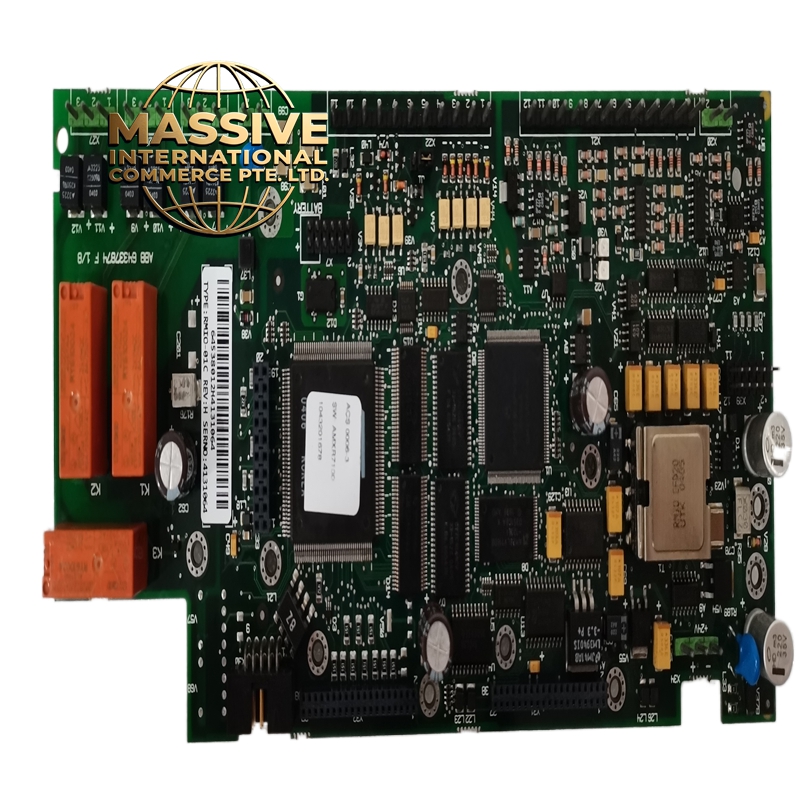
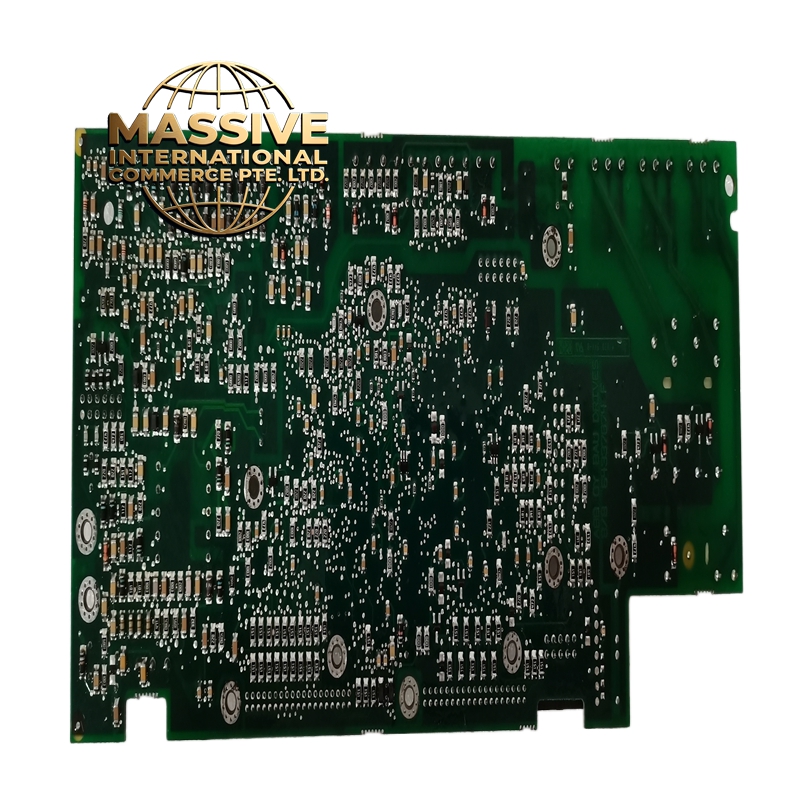
Description
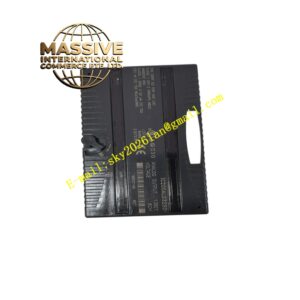
GE RMIO-01C-Y Technical Specifications:
- Module Type: Remote I/O Interface and Expansion Module.
- System Integration: Compatible with GE Fanuc PLC platforms and distributed control networks.
- I/O Capacity: Supports multiple discrete and analog input/output channels per module.
- Communication Bus: High-speed backplane or fieldbus communication for deterministic data exchange.
- Power Requirements: Standard industrial DC power supply with local regulation.
Functional Features:
- Signal Acquisition: Reads discrete states (switches, relays) and analog signals (4-20mA, 0-10V) from local field devices.
- Control Execution: Drives local actuators, solenoids, and indicator lights based on commands from the central controller.
- Data Multiplexing: Consolidates multiple field signals into a single high-speed data stream to reduce cabling infrastructure.
- Local Diagnostics: Features onboard status LEDs and fault detection to identify wiring issues, short circuits, or communication losses.
Application Scenarios:
- Distributed control in large-scale manufacturing and assembly lines.
- Remote monitoring of substations, pump stations, and water treatment facilities.
- Expanding I/O capacity in existing PLC systems without adding main chassis slots.
- Harsh environment applications where placing the main controller is impractical.
Performance Parameters:
- Scan Time: Ultra-fast I/O update rates to ensure real-time responsiveness.
- Signal Resolution: High-resolution analog-to-digital and digital-to-analog conversion for precise process control.
- Isolation: Channel-to-channel and channel-to-bus galvanic isolation to protect against field transients.
- Reliability: High mean time between failures (MTBF) designed for continuous 24/7 industrial operation.
Material Composition & Structural Characteristics:
- Enclosure: Industrial-grade thermoplastic or metal housing providing IP20 protection against solid objects.
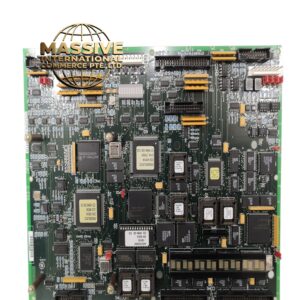
- PCB Assembly: Conformal-coated printed circuit board to protect against moisture, dust, and corrosive gases.
- Terminals: Removable screw terminal blocks or spring-clamp terminals for fast, reliable field wiring.
- Connectors: Robust backplane or fieldbus connectors with secure locking mechanisms to withstand vibration.
Working Principle: The RMIO-01C-Y continuously polls its connected input channels and converts the physical signals into digital data. This data is packaged and transmitted over the high-speed communication bus to the central controller. Simultaneously, it receives output commands from the controller, decodes them, and energizes the corresponding output drivers to activate field devices. The module’s internal microcontroller manages this bidirectional data flow and performs continuous self-diagnostics.
Installation Requirements:
- Bus Termination: Ensure proper termination resistors are installed at the physical ends of the communication bus to prevent signal reflections.
- Address Configuration: Set the unique node address using hardware DIP switches or software configuration before powering up the module.
- Wiring Standards: Route field wiring separately from high-voltage power cables to prevent electromagnetic interference (EMI).
- Power Supply: Provide a dedicated, well-regulated local power supply with adequate current headroom for all connected I/O devices.
Usage Precautions:
- Hot-Swap Limitations: Verify system documentation to determine if the module supports hot-swapping; otherwise, power down the bus before replacement.
- Load Ratings: Never exceed the maximum voltage and current ratings of the output channels; use external interposing relays for high-power loads.
- ESD Protection: Always wear an electrostatic discharge (ESD) wrist strap when handling the module to prevent damage to sensitive microelectronics.
- Diagnostics: Utilize the controller’s diagnostic software to monitor module health, check for lost communication, and identify specific channel faults.