


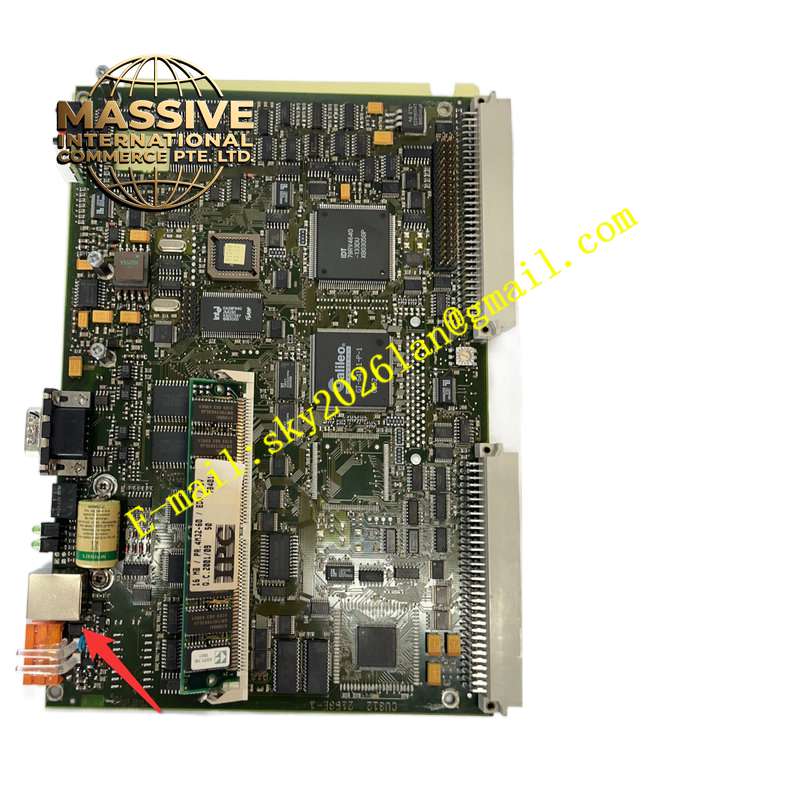
Description
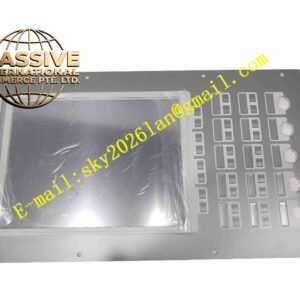
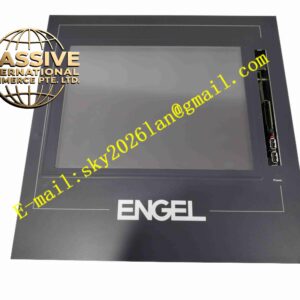
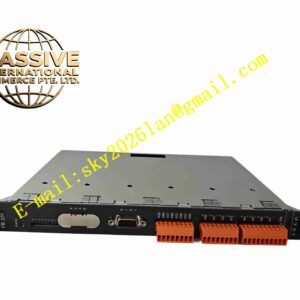
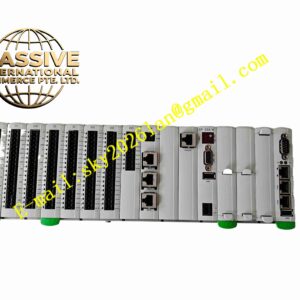
KEBA CU312B
Technical Specifications 32-bit RISC processor core; RAM and non-volatile flash memory for user program and mould recipe storage; nominal supply voltage 24 V DC; integrated analogue inputs for Pt100 and thermocouple temperature sensors; digital inputs and outputs for machine safety and auxiliary actuators; communication interfaces include Ethernet, CAN bus, RS485; optional expansion slots for additional fieldbus modules; operating temperature -20 ℃ to +60 ℃; DIN rail cabinet mounting; protection class IP20.
Functional Features Dedicated injection pressure and velocity closed-loop control algorithms; recipe storage for mould parameter sets; high-speed interrupt for shot transition and fast safety signal response; system watchdog timer for fault automatic reset; support for CANopen and KEBA proprietary real-time bus; comprehensive self-diagnosis for memory, bus and sensor faults.
Application Scenarios Hydraulic injection moulding machines, aluminium die casting machines, extrusion blow moulding equipment, thermoforming automation lines.
Material Composition Flame-retardant industrial plastic housing; multilayer FR4 control PCB with conformal coating; isolated analogue signal conditioning circuits; screw terminal blocks for field sensors and actuators; metal shielding for bus communication circuits.
Structural Characteristics Compact DIN rail mounted unit; front panel with run, fault and communication status LEDs; lower edge terminal blocks for 24 V power, digital I/O and analogue sensor wiring; side expansion connector for optional fieldbus extension modules.
Working Principle After power-up, the controller loads mould control program and recipe parameters from flash memory. It scans digital limit and safety signals, samples temperature analogue channels, calculates injection pressure and velocity control outputs, and transmits setpoint signals to hydraulic valve amplifiers or servo drives. Alarm and recipe data exchange with operator HMI runs over Ethernet.
Installation Requirements Clip to standard DIN rail inside machine electrical cabinet; separate analogue sensor cables from high-power hydraulic valve and servo cables; use shielded Ethernet cable for HMI connection; install CAN bus terminating resistor at both ends of CAN trunk.
Operation Notes Back up all mould recipe libraries before controller replacement; verify temperature sensor type and scaling after hardware swap; calibrate proportional valve output offset before automatic moulding cycle startup.