


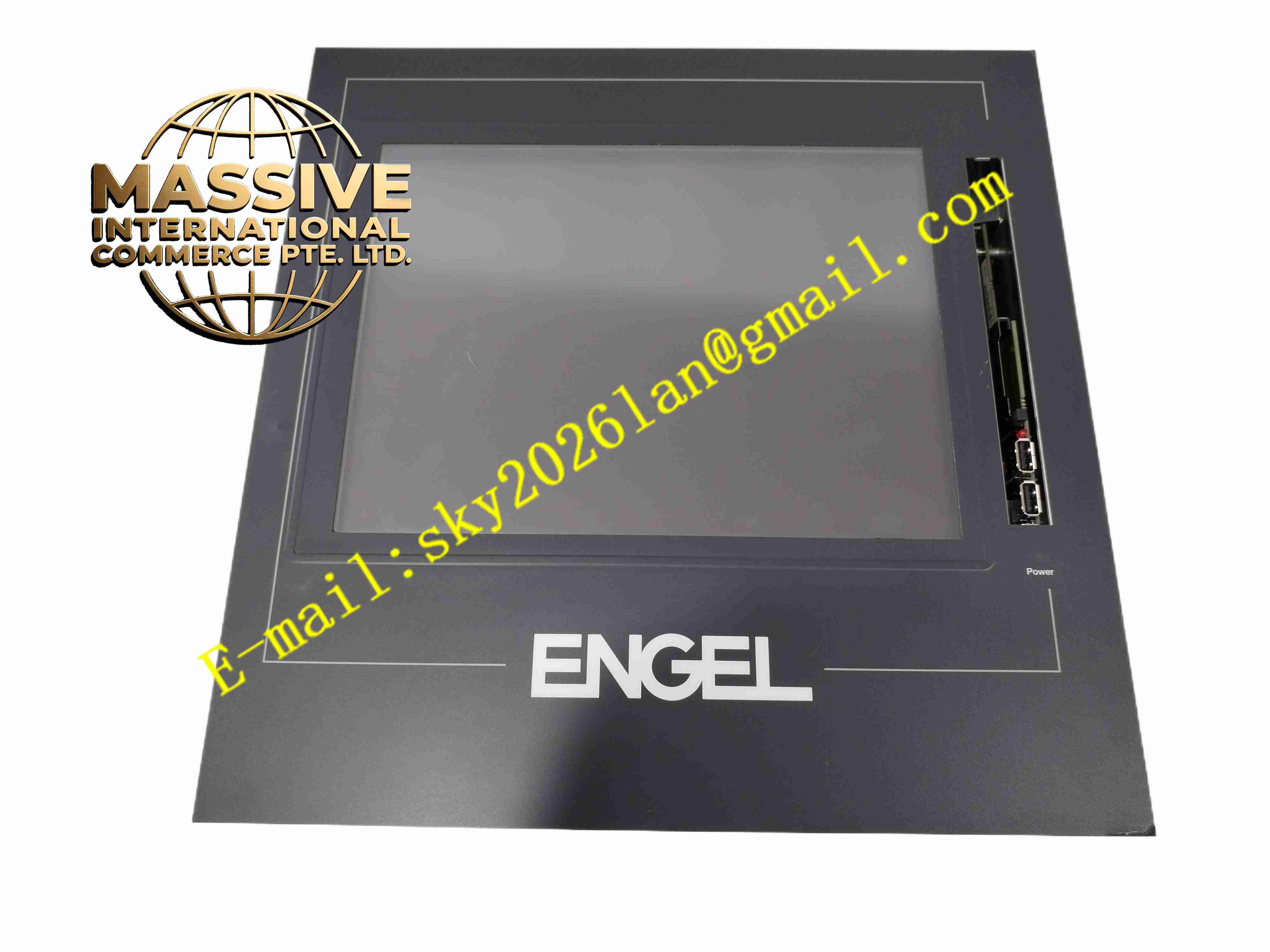
Description
KEBA OF457A K2-400
Technical Specifications
- Brand: KEBA
- Product Family: KEBA industrial I/O module
- Model: OF457A K2-400
- Module Type: Digital I/O or field interface module, depending on variant
- Signal Type: Discrete field signals such as digital inputs and digital outputs
- Voltage Level: Typically 24 V DC for industrial I/O variants; confirm from nameplate
- Channel Configuration: Multiple channels depending on the K2-400 variant
- Connection Method: Pluggable terminal block or front connector depending on version
- Bus Interface: Connects to a KEBA controller base, backplane, or fieldbus segment
- Isolation: Channel isolation may be provided depending on the specific variant
- Status Indication: LED indicators for channel status, power, and module health
- Operating Temperature: Industrial temperature range; exact limits depend on the installed controller system
Functional Features
- Field signal acquisition: Reads status signals from sensors, switches, and proximity devices.
- Actuator control: Drives relays, solenoid valves, indicator lights, and other discrete loads.
- LED diagnostics: Provides visual feedback for each channel and module status.
- Modular integration: Plugs into KEBA controller or I/O system architecture.
- Configurable behavior: Channel direction, filtering, and diagnostics can be configured in KEBA software.
- Hot-plug support: Some KEBA I/O modules support replacement during system operation when allowed by the controller configuration.
- Robust industrial design: Suitable for continuous operation in automation environments.
Application Scenarios
- Machine control systems
- Robotics and automation cells
- Assembly line I/O expansion
- Packaging and material handling equipment
- Plastic and metal processing machines
- KEBA controller-based automation projects
- Retrofit and spare-part replacement for existing KEBA systems
Performance Parameters
- Input/Output Channels: Defined by the OF457A K2-400 variant
- Signal Voltage: Typically 24 V DC for industrial digital I/O
- Response Time: Determined by controller scan time, input filtering, and output stage design
- Isolation: Channel-to-channel or channel-to-system isolation depends on the specific version
- Current Rating: Per-channel current limits depend on the output stage; verify from the datasheet
- Diagnostics: Short-circuit detection, open-circuit detection, and status reporting may be supported
Material Composition
- Housing: Industrial-grade plastic enclosure
- PCB Assembly: Digital input/output conditioning circuits and bus interface electronics
- Terminal Interface: Screw terminals, spring terminals, or pluggable connectors
- LED Indicators: Channel status and module diagnostic LEDs
- Backplane/Bus Connector: Connects to KEBA controller or I/O base unit
Structural Features
- Compact module format: Designed for space-efficient control cabinet installation.
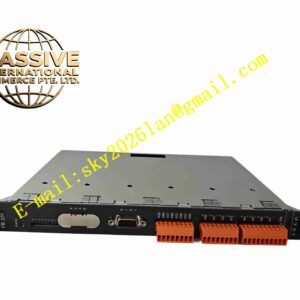
- Front-accessible connectors: Simplifies wiring and maintenance.
- Labelable terminals: Supports clear identification of field signals.
- LED status row: Allows quick visual inspection of channel states.
- Modular plug-in design: Enables easy replacement and system expansion.
- Robust mechanical construction: Resists vibration and industrial operating conditions.
Working Principle
The OF457A K2-400 receives discrete field signals from sensors and switches or sends output commands to actuators. Input signals are conditioned, filtered, and transferred to the KEBA controller for program processing. Output commands from the controller are converted into safe switching signals for field devices. The module continuously monitors its own status and reports faults such as short circuits, overloads, or communication errors to the controller.
Installation Requirements
- Install the module only in a compatible KEBA controller or I/O base.
- Verify the supply voltage and signal voltage before connecting field wiring.
- Use shielded cables for long-distance signal transmission.
- Keep I/O wiring separated from high-voltage power cables.
- Assign clear labels to each terminal according to the electrical diagram.
- Configure channel direction, filtering, and diagnostics in the KEBA engineering software.
- Check LED indicators after power-up and after downloading the configuration.
Precautions for Use
- Do not exceed the rated channel voltage or current.
- Do not connect field devices with incompatible voltage levels.
- Verify whether the module supports hot swapping before removing it during operation.
- Avoid using the module for safety-related functions unless it is explicitly certified.
- Confirm the exact channel count, isolation rating, and connector type from the official KEBA documentation.
- For precise electrical data, environmental ratings, and replacement compatibility, refer to the KEBA OF457A K2-400 datasheet.